 219 citations
,
March 2004 in “Journal of The American Academy of Dermatology”
219 citations
,
March 2004 in “Journal of The American Academy of Dermatology” In this 48-week trial, 5% topical minoxidil was more effective than both 2% minoxidil and placebo in promoting hair growth in women with female pattern hair loss, with notable improvements in nonvellus hair count and hair growth assessments.
 100 citations
,
June 2011 in “Journal of The American Academy of Dermatology”
100 citations
,
June 2011 in “Journal of The American Academy of Dermatology” This study found that a once-daily 5% minoxidil topical foam is as effective as a twice-daily 2% minoxidil topical solution for hair growth in women with androgenetic alopecia, with fewer side effects and greater styling convenience.
26 citations
,
January 1987 in “Dermatology” This study reported that topical 2% minoxidil solution improved hair growth compared to placebo in men with early male-pattern baldness over 24 weeks, with no significant safety issues observed.
 13 citations
,
November 2013 in “The Journal of Dermatology”
13 citations
,
November 2013 in “The Journal of Dermatology” This study suggests that minoxidil 2% lotion is a safe and effective treatment for enhancing eyebrows, showing better results than placebo after 16 weeks.
 2 citations
,
April 2016 in “PubMed”
2 citations
,
April 2016 in “PubMed” This study found that a 12-week regimen of 2% minoxidil combined with a botanical hair solution improved hair growth and patient satisfaction for female pattern hair loss, aiding treatment adherence.
1 citations
,
October 2022 in “Journal of Cosmetic Dermatology” In this study, combining 2% minoxidil with weekly microneedling significantly improved hair regrowth in women with female pattern hair loss compared to using minoxidil alone, with an 85% effective rate reported in the group receiving both treatments over a 24-week period.
May 2026 in “Journal of the American Academy of Dermatology” This study investigated the effectiveness of combining microneedling with 2% topical minoxidil in women with mild-to-moderate androgenetic alopecia and found that adding microneedling every 2 or 4 weeks did not enhance outcomes compared to using minoxidil alone over 24 weeks.
January 2023 in “International journal of research publications” According to this study, rice bran oil was as effective as 2% minoxidil in improving hair growth parameters, such as VEGF expression, follicle diameter, and hair length, in Wistar rats treated for 21 days, showing potential for preventing hair thinning associated with aging.
 August 2011 in “Faculty Opinions – Post-Publication Peer Review of the Biomedical Literature”
 5% minoxidil foam used once daily is as effective as 2% minoxidil solution used twice daily for hair loss in women, but with fewer side effects like itching and dandruff.
1 citations
,
March 1990 in “Clinical Drug Investigation” 2% topical minoxidil can help reduce hair loss and promote hair growth in male pattern baldness.
 269 citations
,
August 2002 in “Journal of The American Academy of Dermatology”
269 citations
,
August 2002 in “Journal of The American Academy of Dermatology” This study found that 5% topical minoxidil significantly increased hair regrowth and improved psychosocial perceptions of hair loss in men with androgenetic alopecia compared to 2% topical minoxidil and placebo over 48 weeks.
24 citations
,
November 1992 in “Archives of Dermatology” This study found that a 6-week taper of prednisone led to more than 25% hair regrowth in 30% to 47% of alopecia areata patients, and applying 2% topical minoxidil helped maintain this growth.
 16 citations
,
March 2017 in “Journal of inclusion phenomena and macrocyclic chemistry”
16 citations
,
March 2017 in “Journal of inclusion phenomena and macrocyclic chemistry” This study found that using 2-hydroxypropyl-ß-cyclodextrin (HP-ß-CD) to encapsulate minoxidil can create a stable aqueous solution, potentially replacing the need for organic solvents in topical treatments for androgenic alopecia.
 March 2005 in “Journal of The American Academy of Dermatology”
 This study investigates the potential of a cosmetic day lotion with a 5a-reductase inhibitor and a night lotion with an angiogenic ingredient to modulate hair growth, but reports no clinical results.
 September 2025 in “Journal of the American Academy of Dermatology”
 Both 2.5 mg and 5 mg doses of oral minoxidil are effective for hair regrowth in men with hair loss.
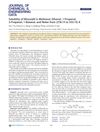 24 citations
,
April 2011 in “Journal of Chemical & Engineering Data”
24 citations
,
April 2011 in “Journal of Chemical & Engineering Data” This study measured the solubility of minoxidil in various solvents, finding the highest solubility in methanol and lowest in water, with solubility correlating to temperature.
12 citations
,
September 2021 in “Journal of molecular structure” In this study, researchers created a new molecular salt from minoxidil and 2,4-dihydroxybenzoic acid, finding it superior to raw minoxidil for promoting hair growth in a mouse model, suggesting it may be a promising candidate for treating hair loss.
 31 citations
,
January 1989 in “Clinical and Experimental Dermatology”
31 citations
,
January 1989 in “Clinical and Experimental Dermatology” In this study, topical 2% minoxidil did not significantly improve hair density measures in men with male pattern baldness, although there was no deterioration, suggesting a potential prophylactic effect.
16 citations
,
July 1988 in “International Journal of Dermatology” This study found that 2% minoxidil solution significantly increased nonvellus hair count in men with male pattern baldness compared to placebo during a 48-week trial.
12 citations
,
May 1988 in “Journal of the American Academy of Dermatology” Both 2% minoxidil gel and solution effectively increase hair growth in men with early baldness.
 10 citations
,
April 2015 in “PubMed”
10 citations
,
April 2015 in “PubMed” This study found that rosemary oil and minoxidil 2% both increased hair count equally in patients with androgenetic alopecia after 6 months, with more scalp itching seen in the minoxidil group.
 4 citations
,
May 2020 in “International Journal of Women's Dermatology”
4 citations
,
May 2020 in “International Journal of Women's Dermatology” In this double-blind, randomized controlled trial, researchers found that cow placenta extract lotion was as effective as topical minoxidil 2% in increasing hair count for women with androgenetic alopecia over six months, though the mean increases in hair count were similar for both treatments.
 2 citations
,
January 2012 in “Hair therapy & transplantation”
2 citations
,
January 2012 in “Hair therapy & transplantation” This study observed that DDAIP-HCl enhanced the permeation of minoxidil through human cadaver skin, suggesting potential for improved treatment efficacy in male pattern hair loss.
1 citations
,
July 2025 in “Journal of Human Immunity” This study found that administering minoxidil and PGE2 to pregnant mice with 22q11.2 deletion syndrome models corrected multiple developmental anomalies, including thymus growth and parathyroid positioning, by targeting prenatal mesenchymal differentiation.
1 citations
,
January 2019 in “Journal of the Egyptian Women's Dermatologic Society (Print)” This study observed that while both minoxidil and botanically-derived 5-alpha reductase inhibitors significantly increased hair count and diameter in women with female pattern hair loss, minoxidil was more effective, especially for greater hair diameter increases, but had more troublesome side effects.
 May 2023 in “International journal of science and research”
 This case report describes two boys aged 8 and 10 with loose anagen hair syndrome who experienced successful hair regrowth using topical minoxidil 2% solution, suggesting it may be an effective initial treatment option for severe cases of this condition.
 40 citations
,
December 2006 in “Journal of The European Academy of Dermatology and Venereology”
40 citations
,
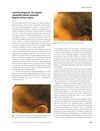
December 2006 in “Journal of The European Academy of Dermatology and Venereology” This article reports two cases where 2% topical minoxidil showed promise in treating traction alopecia, but it does not offer broader clinical conclusions.
 4 citations
,
May 2021 in “Lasers in Surgery and Medicine”
4 citations
,
May 2021 in “Lasers in Surgery and Medicine” This study observed that adding low-level light therapy with the GentleWaves® device to Minoxidil significantly boosted hair regrowth in men with androgenetic alopecia by reducing scalp inflammation.
May 2025 in “UNESP Institutional Repository (São Paulo State University)” In this randomized clinical trial, minoxidil at 5 mg was not found to be superior to 2.5 mg for treating male androgenetic alopecia over 24 weeks, though the higher dose more frequently caused side effects like pre-tibial edema and dizziness.
January 2023 in “Journal of Dermatological Treatment” This case report describes a 14-year-old patient with hereditary hypotrichosis simplex who showed significant improvement with combined platelet rich plasma injections and topical minoxidil 2%. The findings suggest that platelet rich plasma could offer new hope for treating this condition.