 35 citations
,
January 2014 in “Postepy Dermatologii I Alergologii”
35 citations
,
January 2014 in “Postepy Dermatologii I Alergologii” This study found that increased dihydrotestosterone levels were observed in both androgenetic alopecia patients and controls, suggesting that follicle sensitivity to DHT may be more critical than DHT levels for alopecia development.
7 citations
,
January 1971 in “Archives of Dermatological Research” 5 citations
,
August 2021 in “Frontiers in Cell and Developmental Biology” This study found that DHEA along with osteogenic induction medium significantly promotes the osteogenic differentiation and proliferation of human bone marrow mesenchymal stem cells from older individuals.
 16 citations
,
September 2008 in “Dermatologic Therapy”
16 citations
,
September 2008 in “Dermatologic Therapy” This review discusses the clinical features, genetics, and treatment of 21-hydroxylase deficiency, a common type of congenital adrenal hyperplasia, and reports no new research findings.
10 citations
,
March 2023 in “Journal of Chemistry” This study identified ten novel compounds that may effectively target steroid 5 alpha-reductase 2 (5αR-2) for potential treatment of benign prostate hyperplasia, exhibiting comparable binding energies to existing drugs like finasteride and dutasteride.
 5 citations
,
April 2021 in “Journal of Endocrinological Investigation”
5 citations
,
April 2021 in “Journal of Endocrinological Investigation” This study concluded that among men with normal testosterone levels, a small increase in serum dihydrotestosterone may reduce symptoms of hypogonadism, suggesting its potential diagnostic use after ruling out hypogonadism.
 10 citations
,
December 1996 in “Fertility and Sterility”
10 citations
,
December 1996 in “Fertility and Sterility” This study found that in women with acne vulgaris, lower serum levels of 3α-androstanediol-glucuronide suggest reduced 5α-reductase activity compared to controls, indicating that 5α-reductase inhibitors may not be effective for acne treatment.
 2 citations
,
April 2013 in “Expert Review of Endocrinology & Metabolism”
2 citations
,
April 2013 in “Expert Review of Endocrinology & Metabolism” This review discusses the challenges in diagnosing different causes of adult androgen excess and outlines current screening and management strategies but reports no new findings.
4 citations
,
January 1991 in “Journal of obstetrics and gynaecology” This study found that both spironolactone with Ovysmen and cyproterone acetate with ethinyloestradiol significantly reduced hair growth in hirsute women, with no difference in effect between treatments.
 4 citations
,
May 2022 in “BMC Women's Health”
4 citations
,
May 2022 in “BMC Women's Health” This study found that elevated serum AMH levels can be a strong predictor for diagnosing PCOS among women of reproductive age, when used alongside the other Rotterdam criteria.
 77 citations
,
June 2006 in “Best Practice & Research Clinical Endocrinology & Metabolism”
77 citations
,
June 2006 in “Best Practice & Research Clinical Endocrinology & Metabolism” This review discusses the importance of androgen production and metabolism in hyperandrogenism, the use of specific serum markers for diagnosis, and the need for improved assays for clinical testing, but reports no new results.
19 citations
,
March 2018 in “JAMA” This guideline discusses the evaluation and treatment of hirsutism in premenopausal women, recommending oral contraceptive pills or antiandrogens as initial therapies with weak support from low-quality evidence.
7 citations
,
August 2010 in “Medicinal Chemistry Research” This study found that some synthesized 17-oximino-5-androsten-3β-yl esters demonstrated stronger cytotoxicity and antiandrogenic activity against prostate cancer cells than finasteride.
June 2020 in “Authorea (Authorea)” This study observed that pregnant women experienced an increase in hair cortisol concentrations, with primiparae having significantly higher levels in the last trimester compared to multiparae.
11 citations
,
October 1986 in “International Journal of Gynecology & Obstetrics” This study found that the combination of ethinylestradiol and desogestrel significantly decreased hair growth and hormone levels in hirsute women, suggesting a relationship between hormone changes and treatment effectiveness.
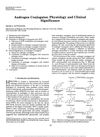 54 citations
,
February 1993 in “Endocrine reviews”
54 citations
,
February 1993 in “Endocrine reviews” This review examines the physiological role of androgen conjugates in cutaneous androgen metabolism and questions their association with hirsutism, without presenting new clinical findings.
18 citations
,
June 2001 in “Journal of Investigative Dermatology” This study found that transfecting keratinocytes with the 1α-OHase gene enhances local production of 1α,25-dihydroxyvitamin D3, suggesting a potential new therapy for skin conditions like psoriasis without causing hypercalcemia or resistance.
46 citations
,
August 2006 in “PubMed” In this study, researchers identified and examined males with 17 beta-HSD3 deficiency in a highly inbred Arab population, noting genetic findings and the progression of male characteristics despite being raised as females initially.
186 citations
,
December 2011 in “Molecules” This study reported that while no synthesized compounds surpassed finasteride in 5α-reductase inhibitory activity, certain 4-azasteroid-2-oximes exhibited notable inhibition.
 January 2007 in “Inpharma Weekly”
 Dutasteride is more effective for male pattern baldness than finasteride, and black cohosh extract BNO 1055 is as effective as conjugated estrogens in treating postmenopausal symptoms, with added benefits in reducing sweating and mental symptoms.
 May 2026 in “Indian Journal of Medical Biochemistry”
 This review highlights that hair cortisol levels, linked to pregnancy changes and higher in conditions like PCOS, are promising stress biomarkers in female reproductive health, though further research is needed.
94 citations
,
August 2002 in “Experimental Dermatology” This study found that 17α‐estradiol increases aromatase activity in female hair follicles, which may explain its beneficial effects in treating androgenetic alopecia.
 July 2017 in “Contemporary Endocrinology”
 This article discusses the ongoing care needs for individuals with 21-hydroxylase deficiency due to mutations in the CYP21A2 gene but does not present new clinical findings.
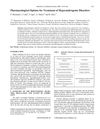 6 citations
,
August 2009 in “Mini-reviews in Medicinal Chemistry”
6 citations
,
August 2009 in “Mini-reviews in Medicinal Chemistry” This review summarizes the structural and chemical characteristics of current and novel antiandrogenic drugs but reports no new clinical findings.
 October 2024 in “Journal of the Endocrine Society”
 This case report details a diagnostic challenge in a postmenopausal woman with severe hyperandrogenism where distinguishing between adrenal and ovarian causes was complicated by elevated 17-OH Progesterone and asymmetric ovarian enlargement; pending surgical pathology is expected to guide further management.
 33 citations
,
January 2013 in “Dermatology”
33 citations
,
January 2013 in “Dermatology” This study found that among women above 15 years with acne, 54.56% exhibited hyperandrogenism, with dehydroepiandrosterone sulfate levels most frequently elevated.
17 citations
,
January 2004 in “European journal of obstetrics, gynecology, and reproductive biology/European journal of obstetrics & gynecology and reproductive biology” This review discusses the use of ethinylestradiol combined with antiandrogenic progestin for treating androgenisation symptoms and improving metabolic and menstrual health in women, but it does not provide new clinical data.
 August 2025 in “DS Reviews of Research in Life Sciences”
 In this study, women with polycystic ovary syndrome showed significantly higher levels of DHEA, IL-6, and TNF-α compared to healthy controls, indicating a possible link between these biomarkers and PCOS.
219 citations
,
January 2006 in “Drug Metabolism Reviews” This review discusses how dehydroepiandrosterone (DHEA) may exert its biological effects through multiple receptors and reports no new clinical results.
151 citations
,
December 2004 in “Neuropharmacology” Progesterone reduces anxiety without needing progesterone receptors.