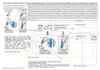
November 2022 in “Journal of Herbal Medicine” This study suggests that three mushroom-derived bioactive compounds, Zhankuic acid A, Sterenin M, and Melleolide K, may effectively inhibit SRD5A2 and stabilize its interaction, indicating potential for treating androgenic alopecia.
May 2024 in “Skin research and technology” This study used Mendelian randomization analysis to identify Scyllo-inositol and Alpha-ketoglutarate as potential protective factors and Heme and 2-palmitoylglycerophosphocholine as risk factors for androgenic alopecia, suggesting a causal link between these metabolites and the condition.
March 2022 in “Research Square (Research Square)” This study found that certain bioactive mushroom metabolites may inhibit the enzyme SRD5A2 more effectively than finasteride in computational models, suggesting potential for further research in treating androgenic alopecia.
2 citations
,
March 2012 in “Nature Reviews Endocrinology” The body's change of testosterone into DHT is not necessary for testosterone's muscle and sexual effects.
November 2025 in “Free Radical Biology and Medicine” This study identified ten potential therapeutic targets and biomarkers for androgenic alopecia, with SOD1 and KL as particularly promising candidates for future therapies.