44 citations
,
June 2023 in “Cell Reports” IL-1 promotes fat cell growth in skin, while WNT inhibits it and encourages scar formation.
1 citations
,
January 2023 in “Science Advances” The skin's microbiome helps hair regrow by boosting certain cell signals and metabolism.
40 citations
,
August 2021 in “International Journal of Molecular Sciences” The subcutaneous fascia is key to fast wound healing and could improve treatments for chronic wounds and scarring.
488 citations
,
July 2021 in “Cell” Fibroblasts are crucial for tissue repair and inflammation, and understanding them can help treat fibrotic diseases.
 53 citations
,
April 2021 in “Cell Host & Microbe”
53 citations
,
April 2021 in “Cell Host & Microbe” Skin bacteria, specifically Staphylococcus aureus, help in wound healing and hair growth by using IL-1β signaling. Using antibiotics on skin wounds can slow down this natural healing process.
 13 citations
,
March 2021 in “British Journal of Pharmacology”
13 citations
,
March 2021 in “British Journal of Pharmacology” KY19382 helps regrow hair and create new hair follicles.
136 citations
,
September 2019 in “Journal of Clinical Investigation” Dermal adipose tissue in mice can change and revert to help with skin health.
 49 citations
,
March 2019 in “Journal of Investigative Dermatology”
49 citations
,
March 2019 in “Journal of Investigative Dermatology” Skin fat plays a key role in immune defense and healing beyond just storing energy.
96 citations
,
December 2018 in “Immunity” Targeting TGFβ can improve skin immunity in older people.
47 citations
,
August 2016 in “American Journal Of Pathology” Fibroblast changes in systemic sclerosis may help understand disease severity and treatment.
 16 citations
,
January 2016 in “Journal of Investigative Dermatology”
16 citations
,
January 2016 in “Journal of Investigative Dermatology” Mice without the IL-6 gene had more hair growth after injury due to higher activity of a related protein, Stat3.
1235 citations
,
December 2013 in “Nature” Two fibroblast types shape skin structure and repair differently.
 68 citations
,
November 2012 in “Journal of Investigative Dermatology”
68 citations
,
November 2012 in “Journal of Investigative Dermatology” Prostaglandin D2 blocks new hair growth after skin injury through the Gpr44 receptor.
 829 citations
,
May 2007 in “Nature”
829 citations
,
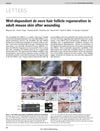
May 2007 in “Nature” Hair follicles can regrow in wounded adult mouse skin using a process like embryo development.