14 citations
,
May 2022 in “Stem cell reports” This study reported that human induced pluripotent stem cell-derived skin organoids, used to model epidermolysis bullosa, have an epidermal-dermal junction largely lacking type VII collagen, which is important for skin structure.
39 citations
,
March 2022 in “Nature Protocols” This study describes a protocol for generating hair-bearing skin organoids from human pluripotent stem cells, achieving full complexity resembling fetal skin tissue by day 130 in vitro.
14 citations
,
February 2022 in “The Journal of clinical investigation/The journal of clinical investigation” This study found that the development of Merkel cell carcinoma from hair follicles in mice can be driven by in vivo reprogramming with ATOH1 and relies on p53 loss for progression.
37 citations
,
January 2022 in “Frontiers in Genetics” This study found that dermal sheath stem cell characteristics are lost with aging in humans, affecting skin rejuvenation and structure, and identified specific proteins like Activin A influencing keratinocyte and fibroblast activity.
425 citations
,
June 2020 in “Nature” Scientists created human skin with hair from stem cells, which could help treat hair loss and skin conditions.
 29 citations
,
May 2020 in “npj Regenerative Medicine”
29 citations
,
May 2020 in “npj Regenerative Medicine” This review discusses the role of the immune niche in hair follicle regeneration and its impact on different forms of alopecia, highlighting research gaps and potential therapeutic strategies.
 225 citations
,
April 2018 in “Journal of Investigative Dermatology”
225 citations
,
April 2018 in “Journal of Investigative Dermatology” Two main types of fibroblasts with unique functions and additional subtypes were identified in human skin.
418 citations
,
January 2018 in “Journal of Investigative Dermatology” This study identified at least four distinct fibroblast populations in adult human skin, each with unique functional properties, suggesting potential therapeutic applications for wound healing and fibrosis-related diseases.
 133 citations
,
May 2016 in “Cell Host & Microbe”
133 citations
,
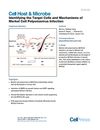
May 2016 in “Cell Host & Microbe” In this study, human dermal fibroblasts were identified as natural host cells that support productive Merkel cell polyomavirus infection, and the MEK antagonist trametinib was introduced as an effective inhibitor to control the virus.

