TLDR Cells can change to help heal wounds better.
The document discussed cellular plasticity in cutaneous wound healing, highlighting the ability of cells to change their fate in response to various influences. It described the wound healing process as involving inflammation, proliferation, and tissue remodeling, with contributions from soluble mediators, blood cells, extracellular matrix, and parenchymal cells. The review focused on how mature differentiated cells could dedifferentiate to a progenitor-like state or transdifferentiate into different lineages, and how some stem/progenitor cells could undergo transdetermination to aid in wound repair. The aim was to explore these mechanisms to enhance regenerative medicine.
143 citations
,
May 2017 in “Nature cell biology” Wounded skin cells can revert to stem cells and help heal.
 408 citations
,
January 2017 in “Science”
408 citations
,
January 2017 in “Science” Some wound-healing cells can turn into fat cells around new hair growth in mice.
91 citations
,
June 2011 in “The EMBO Journal” TCF/Lef1 activity is essential for proper skin cell development and renewal.
 222 citations
,
August 2009 in “Experimental Dermatology”
222 citations
,
August 2009 in “Experimental Dermatology” Stem cells are crucial for wound healing and understanding their role could lead to new treatments, but more research is needed to answer unresolved questions.
 829 citations
,
May 2007 in “Nature”
829 citations
,
May 2007 in “Nature” Hair follicles can regrow in wounded adult mouse skin using a process like embryo development.
159 citations
,
January 2006 in “BMC Cell Biology” Wnt signaling can improve skin healing by promoting epithelial growth.
263 citations
,
February 2020 in “International journal of molecular sciences” ADSCs help in wound healing and skin regeneration but need more research for full understanding.
 1 citations
,
February 2023 in “International Journal of Molecular Sciences”
1 citations
,
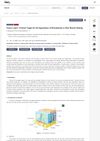
February 2023 in “International Journal of Molecular Sciences” The fascial layer is a promising new target for wound healing treatments using biomaterials.
February 2024 in “International journal of molecular sciences” Type 3 Innate Lymphoid Cells help maintain skin health and balance, and are involved in skin diseases and healing.
 33 citations
,
January 2018 in “The International Journal of Developmental Biology”
33 citations
,
January 2018 in “The International Journal of Developmental Biology” Cell aging can be both good and bad for tissue repair.
 64 citations
,
August 2013 in “Mayo Clinic Proceedings”
64 citations
,
August 2013 in “Mayo Clinic Proceedings” Wound healing insights can improve regenerative medicine.

