Search
for
Sort by
Research
210-240 / 1000+ resultsresearch ALOPECIA AREATA TREATED WITH THORIUM-X
research Abstracts
This study found that a single ablative fractional laser treatment significantly reduced hedgehog pathway gene expression in microscopic murine basal cell carcinomas, nearly matching the effects of repeated topical vismodegib applications.
research Efficacy and Safety of Ritlecitinib in the Asian Subpopulation of the ALLEGRO ‐2b/3 and ALLEGRO ‐ LT Clinical Studies for Alopecia Areata
This study reports that ritlecitinib 50 mg, with or without an initial loading dose, demonstrated meaningful and sustained efficacy up to 24 months in the Asian subpopulation with severe alopecia areata, showing significant scalp, eyebrow, and eyelash hair regrowth, along with an acceptable safety profile.

research Plerixafor Biases CXCR4 Signaling Through β-Arrestin to Promote Melanogenesis via β-Catenin–MITF Activation
In this study, plerixafor was found to enhance melanogenesis and promote repigmentation by engaging a β-arrestin–β-catenin–MITF signaling axis in melanocytes, and showed effectiveness in restoring depigmentation in a murine model without causing systemic toxicity.
research Cutaneous adverse reactions linked to targeted anticancer therapies bortezomib and lenalidomide for multiple myeloma: new drugs, old side effects
This study suggests that cutaneous adverse reactions to bortezomib and lenalidomide are more frequent than reported, impacting patients' quality of life and may require dermatological consultation for proper management.
research Treatment of vitiligo with the topical Janus kinase inhibitor ruxolitinib: A 32-week open-label extension study with optional narrow-band ultraviolet B

research Current best evidence in pigmentary dermatology
In a randomized phase 2b clinical trial, oral ritlecitinib significantly reduced facial vitiligo area scores in patients with active nonsegmental vitiligo compared to placebo, with a favorable safety profile observed over 48 weeks, suggesting its potential as an effective treatment option (Ezzedine et al., 2023).
research Tofacitinib in a Recalcitrant Case of Alopecia Areata
In this report, a 14-year-old female with stubborn alopecia areata was successfully treated with oral tofacitinib, indicating its potential effectiveness for severe cases.

research Deuruxolitinib for Alopecia Areata.
This review discusses the approval of deuruxolitinib, an oral JAK inhibitor, by the FDA in July 2024 for treating severe alopecia areata in adults, highlighting its role as the third approved oral treatment option alongside baricitinib and ritlecitinib.

research Gefitinib
A man treated with gefitinib for lung cancer grew new hair on his bald scalp.
research Efficacy of Baricitinib in Patients with Various Degrees of Alopecia Areata Severity: Post-Hoc Analysis from BRAVE AA1 and BRAVE AA2
In this phase 3 trial analysis, baricitinib improved scalp hair growth in adults with severe alopecia areata, with a faster and higher response in those receiving 4 mg compared to 2 mg, but response varied with severity at baseline and continued through week 52.

research A Case of Cicatricial Alopecia Associated with Erlotinib
This case report documents a 61-year-old woman treated with erlotinib who experienced the rare side effect of cicatricial alopecia.

research Efficacy and Safety of Baricitinib in Patients with Severe Alopecia Areata over 52 Weeks of Continuous Therapy in Two Phase III Trials (BRAVE-AA1 and BRAVE-AA2)
In this study, 40.9% of patients taking 4 mg baricitinib and 21.2% taking 2 mg achieved significant hair regrowth over 52 weeks, indicating potential long-term benefits for adults with severe alopecia areata without introducing new safety concerns.

research Sacituzumab tirumotecan (sac-TMT/MK-2870/SKB264): a novel antibody–drug conjugate in breast cancer
This review highlights the promising clinical outcomes of sacituzumab tirumotecan (sac-TMT), an antibody-drug conjugate for breast cancer that targets TROP2, demonstrating improved response rates and progression-free survival, with manageable safety concerns including primarily mild-to-moderate nausea and alopecia.
research Periocular Manifestations of Afatinib Therapy
This study reports a rare side effect of trichiasis in a patient with spinal chordoma treated with Afatinib, a type of epidermal growth factor receptor tyrosine kinase inhibitor.

research Transient perforating folliculitis induced by sorafenib
Sorafenib can cause a temporary skin condition that goes away after stopping the drug.

research Efficacy of Barictinib As Compared to Conventional Therapy as a Treatment for Alopecia Areata
In this study, researchers examined Baricitinib's role as a treatment for Alopecia Areata, contrasting it with conventional therapies, and found that while effective, Baricitinib may cause adverse reactions depending on individual patient health histories.
research The pharmacovigilance analysis of adverse events of erlotinib based on the open access FAERS database
This study identified potential new adverse drug reaction signals for erlotinib, used in lung and pancreatic cancer treatment, by analyzing a large dataset of case reports, indicating further clinical studies are necessary to confirm these findings.
research Alopecia universalis successfully treated with tofacitinib
Tofacitinib helped a 19-year-old regrow hair after other treatments failed.
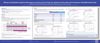
research Efficacy of Ritlecitinib in Patients with Alopecia Areata by Extent of Hair Loss: Results from the Phase 2b/3 and Phase 3 ALLEGRO Clinical Trials
This study found that ritlecitinib, taken daily, led to scalp, eyebrow, and eyelash hair regrowth in patients aged 12 and older with severe and very severe alopecia areata over a 24-month period.

research Combination Therapy with Baricitinib and Narrowband Ultraviolet B for Active Non-Segmental Vitiligo: A Retrospective Controlled Study
This study suggests that combining baricitinib with narrowband UV-B therapy is an effective and well-tolerated approach for treating active nonsegmental vitiligo.
research Axitinib-induced repigmentation of grey hair in a patient with metastatic renal cell carcinoma
In this case report, researchers observed hair repigmentation in a man with metastatic renal cell carcinoma during treatment with axitinib, marking the first documented instance of this effect with axitinib without the use of hair dyes or other medications.
research Single‐center study to determine the safety and efficacy of CT‐707 in Chinese patients with advanced anaplastic lymphoma kinase‐rearranged non‐small‐cell lung cancer
In this phase I study, CT-707, a new ALK inhibitor, showed a 77% response rate among Chinese patients with advanced ALK-rearranged non-small cell lung cancer, suggesting clinical effectiveness despite some adverse events like diarrhea and liver enzyme elevation.

research Major improvement of very severe alopecia areata in patients treated with the combination of baricitinib and low doses of corticosteroids: an eight-case series
In this study, combining baricitinib and prednisone effectively achieved complete hair regrowth in seven out of eight women with very severe alopecia areata, contrasting with less effective results from each drug used alone.
research Refractory alopecia in lupus treated with tofacitinib — a case-based review
This case report highlights a 33-year-old female with systemic lupus erythematosus and refractory alopecia who experienced significant hair regrowth after treatment with tofacitinib, maintained even after glucocorticoid tapering over two years.
research Inhibidor janus kinasa como opción terapéutica en alopecia areata. Reporte de caso
This case study reported that a 24-year-old patient with severe, treatment-resistant alopecia areata experienced excellent clinical improvement after one month of treatment with tofacitinib, a JAK inhibitor.
research EGFR inhibitor-induced folliculitis decalvans: a case series and management guidelines
In this study, researchers reviewed cases of EGFR inhibitor-induced folliculitis decalvans and reported the first known occurrences associated with afatinib in three female NSCLC patients, highlighting the importance of early diagnosis and management to improve patient quality of life.

research Tyrosine Kinase Inhibitors against Cancer: Their Safety in 216 Moroccan Patients
This study described the safety profile of tyrosine kinase inhibitors in treating various solid tumors, finding that the observed toxicities were consistent with existing literature.
research 290 Brepocitinib improves cicatricial alopecia and downregulates key T-helper biomarkers
Brepocitinib improves cicatricial alopecia and reduces key immune markers.