 5 citations
,
January 2018 in “Annals of Dermatology”
5 citations
,
January 2018 in “Annals of Dermatology” A 308 nm excimer laser successfully treated a boy with a rare skin condition after about a year of weekly sessions.
 September 2024 in “BMJ Case Reports”
 This case report highlights an atypical presentation of favus in an immunocompetent adult, where a psoriasiform plaque over the 'bindi' area was successfully treated with systemic itraconazole, achieving complete resolution without relapse. Simple stains proved essential for diagnosis in this resource-limited setting.
November 2025 in “Probiotics and Antimicrobial Proteins” In this study, researchers found that FGF9 plays a significant role in sheep wool growth by accelerating the proliferation and cell cycle of dermal papilla cells, potentially through regulation of the Wnt/β-catenin signaling pathway.
35 citations
,
August 2006 in “Molecular genetics and metabolism” This study found significant variation in tissue mutant load in individuals with the T8993G mutation, which complicates genetic counseling and may inform genotype-phenotype correlations, especially using hair bulb mtDNA analysis.
 August 2015 in “International Journal of Genetics and Molecular Biology”
 This study found that specific Y-chromosome alleles may influence susceptibility to prostate cancer in Iraqi males, suggesting their potential use in screening for the disease.
September 2023 in “Zenodo (CERN European Organization for Nuclear Research)” 6 citations
,
December 2022 in “Journal of Infection” In this study, the ACE1 rs1799752 polymorphism was not found to predispose COVID-19 survivors to long-COVID symptoms, supporting previous findings that ACE2 and TMPRSS2 variants also do not influence post-COVID conditions.
 1 citations
,
January 2020 in “Benha Journal of Applied Sciences”
1 citations
,
January 2020 in “Benha Journal of Applied Sciences” This study found that DEFB1 polymorphisms, specifically the rs1800972 CG and GG genotypes, may predict susceptibility to and severity of alopecia areata.
 24 citations
,
July 2017 in “Structure”
24 citations
,
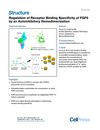
July 2017 in “Structure” In this study, researchers found that ligand homodimerization controls the receptor binding specificity of the FGF9 subfamily, preventing off-target activation of FGFR "b" isoforms.
4 citations
,
May 2024 in “Cytotechnology”  January 2024 in “Journal of Crohn's and colitis”
 This study reports that JAK inhibitors were effective in inducing remission in ulcerative colitis patients and presented an acceptable safety profile with a range of manageable side effects.
July 2024 in “Journal of Investigative Dermatology” CRISPR/Cas9 and prime editing can potentially fix skin disorder genes safely and effectively.
3 citations
,
December 2023 in “Aging” In liver cancer cells, this study found that upregulating hsa_circ_0002980 inhibits cell proliferation, metastasis, and EMT by modulating the miR-1303/CADM2 axis, suggesting it as a potential therapeutic target.
January 2011 in “Reactions Weekly” 17 citations
,
September 2018 in “Matrix Biology” The researchers reported that mouse keratinocyte-specific deletion of laminin γ1 led to delayed coat pigmentation due to impaired melanocyte migration and differentiation, linked to altered laminin composition in the basement membrane.
September 2024 in “Journal of the American Academy of Dermatology” 3 citations
,
February 2019 in “Molecular genetics and metabolism” This study found that coadministration of tadalafil and finasteride improved lower urinary tract symptoms and erectile function in men with benign prostatic hyperplasia better than finasteride alone over 26 weeks.

This study found that dermoscopy combined with calcium fluorescent white staining effectively aided in the early diagnosis and treatment evaluation of tinea capitis by highlighting specific hair changes and fluorescent patterns associated with different dermatophyte infections in a sample of 20 patients.
4 citations
,
August 1999 in “Clinical Cosmetic and Investigational Dermatology” This study highlights the potential role of the CYP21A2 and CYP19A1 genes in severe acne vulgaris among Han Chinese, especially males.
This Phase II trial found that topical GT20029 significantly increased hair count and width at 12 weeks in Chinese men with androgenetic alopecia compared to placebo, with good tolerability and similar adverse event incidence across groups.
 4 citations
,
April 2019 in “Gynecological Endocrinology”
4 citations
,
April 2019 in “Gynecological Endocrinology” This study found that the rs 1570360 polymorphism and the T-G-C haplotype of the VEGF gene may be associated with a protective factor against polycystic ovary syndrome in a Brazilian population.
 September 2017 in “Journal of Investigative Dermatology”
 This study found that in AGA, the risk allele at locus 2q35 alters WNT10A expression through EBF1, suggesting a potential androgen-dependent regulatory mechanism.
11 citations
,
February 2023 in “British Journal of Pharmacology” This study found that ISX9 may activate the Wnt/β-catenin signaling pathway and holds potential as a therapeutic agent for treating alopecia.
November 2025 in “Journal of Investigative Dermatology” Combining MMP-9 and JAK inhibitors can effectively prevent skin depigmentation in vitiligo.
 April 2017 in “Journal of Investigative Dermatology”
 In laboratory tests and mouse models, this study found that the novel IPC analog SIG-1451 may offer potent anti-inflammatory effects for treating allergic skin inflammation, potentially outperforming some current therapies in specific inflammatory phases.
 December 2022 in “Research Square (Research Square)”
 In this study, the researchers developed a quantum algorithm, QuantAnts machines, which identified complexes of CD9, CD34, and CD74 as potential targets for certain cancers involving the RAS pathway.
 January 2023 in “Applied sciences”
 This study found that co-administering sasam-Kyeongokgo with gefitinib enhanced gefitinib's anti-tumor activity and exhibited favorable anti-cachexia effects in mice with non-small-cell lung cancer.
 November 2022 in “Journal of Investigative Dermatology”
 Among men with androgenetic alopecia, this study found that taking 5 mg of KX-826 twice daily significantly increased hair count compared to a placebo, with the treatment being well-tolerated and no serious adverse effects reported.