 2 citations
,
December 2020 in “American Journal of Dermatological Research and Reviews”
2 citations
,
December 2020 in “American Journal of Dermatological Research and Reviews” This study found that combining 308-excimer phototherapy with intramuscular triamcinolone acetonide was effective and well tolerated for treating resistant alopecia totalis, showing a 90% overall response rate in the ten patients studied, with the best results observed in younger patients.
18 citations
,
September 1979 in “DMW - Deutsche Medizinische Wochenschrift” In this study, Diane was reported to effectively treat acne, seborrhoea, androgenic alopecia, and mild hirsutism in hirsute women, with its effectiveness influenced by the severity and duration of the condition.
1 citations
,
January 2010 in “SRX Pharmacology” This study found that bupropion SR may improve symptoms in female trichotillomania patients who did not respond to SSRIs, with benefits maintained through a 16-month follow-up.
5 citations
,
May 2018 in “European journal of pharmacology” This study reviewed the pharmacological properties of fesoterodine and found that its ability to effectively treat overactive bladder, especially in the elderly, is likely due to its specific properties, including its receptor affinity, blood-brain barrier penetration, metabolic conversion, and extended-release formulation.
 39 citations
,
January 2019 in “The World Journal of Men's Health”
39 citations
,
January 2019 in “The World Journal of Men's Health” Testosterone replacement therapy can prevent men from fathering children and should not be used by those wanting to stay fertile.
 22 citations
,
January 2018 in “European urology focus”
22 citations
,
January 2018 in “European urology focus” This review discusses recent advancements and new approvals in the medical treatment of lower urinary tract symptoms, particularly highlighting drugs for nocturia and ongoing trials for multiple related conditions, while reporting no new clinical results.
17 citations
,
December 2015 in “Bioorganic & Medicinal Chemistry” 3-tetrazolo steroidal analogs can strongly inhibit the enzyme linked to hair loss.

This review concludes that the global literature supports the efficacy and safety of lipidosterolic extract of Serenoa repens in treating lower urinary tract symptoms, comparable to alpha-blockers and 5α-reductase inhibitors.
4 citations
,
January 1991 in “Journal of obstetrics and gynaecology” This study found that both spironolactone with Ovysmen and cyproterone acetate with ethinyloestradiol significantly reduced hair growth in hirsute women, with no difference in effect between treatments.
37 citations
,
May 1997 in “The Journal of Clinical Endocrinology & Metabolism” This study found that MK-386 selectively suppressed sebum DHT levels in a dose-dependent manner, suggesting potential use for treating acne.
December 2025 in “Journal of the European Academy of Dermatology and Venereology”  18 citations
,
January 2002 in “Chemical & pharmaceutical bulletin/Chemical and pharmaceutical bulletin”
18 citations
,
January 2002 in “Chemical & pharmaceutical bulletin/Chemical and pharmaceutical bulletin” This study found that several new pregnane derivatives, especially steroids 16 and 19, demonstrated higher antiandrogenic activity on male hamster models than the commonly used finasteride.
16 citations
,
November 2018 in “Medicinal Chemistry” The authors concluded that newly synthesized N-acyl-L-tryptophanyl-isoleucine amides showed high anxiolytic activity in animal models, comparable to diazepam, through interaction with the TSPO receptor.
 19 citations
,
October 2018 in “PLOS ONE”
19 citations
,
October 2018 in “PLOS ONE” This study found that 5-alpha-reductase inhibitor monotherapy for symptomatic benign prostatic hyperplasia showed some clinical benefit over placebo but was linked to a higher incidence of sexual side effects.
1 citations
,
December 2011 in “Arzneimittelforschung” This study found that the compound 9,11-dehydrocortexolone 17alpha-butyrate (CB-03-04) showed strong local antiandrogenic activity in animal models, suggesting potential for treating prostate conditions.
 4 citations
,
December 1994 in “PubMed”
4 citations
,
December 1994 in “PubMed” This study found that treatment with cyproterone acetate and estradiol improved emotional well-being and acceptance of being viewed among women with hirsutism, with no significant differences between oral and transdermal estradiol groups.
 113 citations
,
April 1999 in “The Journal of Clinical Endocrinology and Metabolism”
113 citations
,
April 1999 in “The Journal of Clinical Endocrinology and Metabolism” This study found that all four treatments—flutamide, finasteride, ketoconazole, and EE-CPA—significantly reduced hirsutism, but EE-CPA and flutamide appeared most effective, with varying effects on androgen levels and side-effect profiles.
 23 citations
,
October 2015 in “Andrology”
23 citations
,
October 2015 in “Andrology” This review discusses the physiological basis, history, and current development of male hormonal contraception, highlighting its potential risks and benefits, but reports no new research findings.
164 citations
,
January 2003 in “Drugs”  36 citations
,
May 2017 in “The journal of sexual medicine”
36 citations
,
May 2017 in “The journal of sexual medicine” In this retrospective study, cyproterone acetate treatment in late-pubertal trans-girls was found to be generally safe and led to mild feminizing effects, with more rapid feminization occurring when combined with estrogens.
14 citations
,
June 1995 in “The Journal of Clinical Endocrinology and Metabolism”  May 2023 in “Frontiers in Endocrinology”
 This study found that tildacerfont treatment in males with congenital adrenal hyperplasia reduced androgen levels and improved markers of testicular function, suggesting potential benefits for male reproductive health.
October 2025 in “Journal of the Endocrine Society” In this case study, a 68-year-old woman with hyperandrogenism and presumed ovarian origin responded well to GnRH agonist therapy, normalizing testosterone levels and stabilizing blood pressure, suggesting its effectiveness as a non-surgical treatment option.
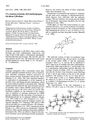 December 1998 in “Acta Crystallographica Section C-crystal Structure Communications”
 This study describes the molecular conformation and intermolecular interactions in the crystalline structure of the compound C24H31BrO4.
 20 citations
,
June 1995 in “Tetrahedron Letters”
20 citations
,
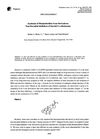
June 1995 in “Tetrahedron Letters” This study reported that newly synthesized phenanthridin-3-one derivatives effectively inhibit human steroid 5-α-reductase.
 13 citations
,
August 2013 in “Journal of pharmaceutical sciences”
13 citations
,
August 2013 in “Journal of pharmaceutical sciences” This study found that a transdermal delivery system using 3% azone and P407 gel may enhance the skin permeation of doxazosin and finasteride for treating benign prostatic hyperplasia.