 1 citations
,
December 2019 in “Acta Medica Medianae”
1 citations
,
December 2019 in “Acta Medica Medianae” This article discusses connubial contact dermatitis, emphasizing its frequent misrecognition and the importance of identifying and eliminating the underlying causes for effective treatment.
 1 citations
,
January 2018 in “Acta dermatovenerologica Alpina, Pannonica et Adriatica (Tiskana izd.)”
1 citations
,
January 2018 in “Acta dermatovenerologica Alpina, Pannonica et Adriatica (Tiskana izd.)” This study found that a herbal shampoo and solution were more effective than placebo in reducing hair loss and improving hair growth in participants with androgenetic alopecia and telogen effluvium.
 June 2026 in “Studia Biologica”
 This study found that in semi-coarse wool sheep of the Ukrainian Carpathian Mountain breed, changes in microflora and grease composition are linked to increased felting in wool, due to wetter, more alkaline fleece conditions that promote bacterial and mold growth and alter fatty acid balances.
 May 2026 in “Repository of the University of Ljubljana (University of Ljubljana)”
 This study analyzed the composition and cost of 50 cosmetic body scrubs for keratosis pilaris, finding that chemical exfoliants with glycolic acid may reduce symptoms by enhancing skin shedding and reducing water loss, but further clinical studies are needed to confirm their effectiveness.

This study suggests that 9-Octadecenoic acid (Z)-, 2,3-dihydroxypropyl ester from African Yam bean seeds may inhibit the human 5α-reductase II enzyme, potentially helping manage BPH, although further studies are needed.
 December 2025 in “IP Indian Journal of Clinical and Experimental Dermatology”
 This review reports that the treatment of androgenetic alopecia is shifting from single therapies to personalized, multimodal approaches incorporating both traditional and emerging pharmacologics, regenerative strategies, nutraceuticals, cosmeceuticals, and device-based interventions, with combination regimens showing improved outcomes.
 October 2025 in “International Journal For Multidisciplinary Research”
 In this study, researchers documented the use of 69 plant species across 38 families in traditional medicine by herbal practitioners in Raichur District, detailing their therapeutic properties for 22 ailments such as fever, epilepsy, and diabetes, though interest in traditional practices is declining.

In this study, researchers analyzed the waters of Ladakh's hotsprings, identifying 27 bioactive compounds with potential health benefits, but emphasize that further clinical trials are needed to confirm their therapeutic efficacy and safety.
 January 2025 in “International Journal of Advanced Research in Science Communication and Technology”
 This review summarizes the pharmacological and therapeutic uses of Calotropis gigantea latex, noting its traditional applications in treating skin diseases, wounds, and asthma, as well as its potential in addressing cancer, diabetes, and cardiovascular diseases due to its rich bioactive compound content.
 January 2025 in “International Journal of Biological Innovations”
 This review article discusses the potential benefits of phytochemicals in hair care, highlighting their ability to improve scalp health, reduce dandruff, and promote hair growth, while emphasizing their safety and minimal side effects compared to conventional therapies.
 January 2025 in “International Journal of Pharmaceutical Research and Development”
 This source highlights the preference for herbal-based products over chemical treatments for managing alopecia and explores their potential in hair treatment and regrowth.
 December 2024 in “International Journal of Research in Ayurveda and Pharmacy”
 This review highlights the potential benefits of Sowbhagya Chundi Legiyam, a Siddha herbal formulation containing Zingiber officinale, for supporting women's health during the puerperal period, suggesting it may strengthen the uterus and prevent diseases due to improper postnatal care.
 November 2024 in “International Journal of Agricultural Invention”
 This review highlights the therapeutic properties and nutritional value of amla (Phyllanthus emblica), noting its high vitamin C content and diverse pharmacological activities, including antidiabetic and antioxidant effects, as evidenced in traditional medicine practices.
 July 2024 in “Anti-Infective Agents”
 This study explored the development of a herbal anti-dandruff shampoo using natural polyherbal tincture and reported strong antimicrobial effects, which suggests it may be a safer and more effective alternative to conventional solutions that can cause side effects like hair loss and irritation.
 March 2024 in “International Research Journal Of Modernization In Engineering Technology And Science”
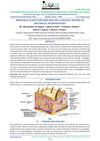
 This review highlights the beneficial effects of certain herbal drugs in treating skin diseases, such as their healing, antifungal, antiviral, antibacterial, anti-inflammatory, and antitumor-promoting activities, emphasizing recent technical advancements in the field over the past 17 years.
 March 2024 in “Research Square (Research Square)”
 In this study, researchers discovered that the MafB gene, which is important for macrophage differentiation, shows high expression in the pancreas and is influenced by sex steroids, with varied expression patterns in hamster tissues and during reproductive phases.
 January 2024 in “International Journal of Clinical Pharmacokinetics and Medical Sciences”
 The researchers in this study suggest that using plant-based hair serums, which combine herbs and botanical phytochemicals, can enhance therapeutic benefits for hair and skin, offering improvements like deep nutrition, skin suppleness, and UV protection compared to individual herb use.

This review of Lawsonia inermis L., or henna, details its bioactive compounds and historical uses in Unani medicine, including treatment for various conditions like ulcers and jaundice, while highlighting its potential for wound healing, hepatoprotective, and other effects, though further research is needed.
 October 2023 in “Frontiers in endocrinology”
 This review investigates molecular mechanisms behind PCOS pathogenesis and discusses potential therapies, but reports no new clinical results.
 October 2023 in “Open Repository of the University of Porto (University of Porto)”
 Pharmacists play a crucial role in patient care and optimizing treatment outcomes.
 July 2023 in “Clinical, cosmetic and investigational dermatology”
 This case report described a 32-year-old woman with plica neuropathica who was diagnosed with schizophrenia after initially seeking dermatological care for her severely matted hair, illustrating a rare presentation of schizophrenia and the importance of considering psychiatric conditions in such cases.
 July 2023 in “International journal of pharmacognosy and life science”
 This study explores the development of a herbal hair oil formulation using selected herbs to potentially address hair loss and related issues, as an alternative to synthetic medications that may cause serious side effects and offer limited effectiveness.
 April 2023 in “Asia-pacific Journal of Convergent Research Interchange”
 This study found that treating bleached hair with a hair manicure improved several physical properties, such as tensile strength and elongation, compared to untreated hair, suggesting potential benefits for enhancing hair conditions cosmetically.
 January 2023 in “Acta historiae medicinae, stomatologiae, pharmaciae, medicinae veterinariae”
 This paper reviews historical remedies for baldness from antiquity to the 19th century, reporting no new clinical results.
 January 2023 in “Book of Abstracts”
 COVID-19 can cause different types of hair loss, with telogen effluvium being the most common.
 December 2022 in “theses.fr (ABES)”
 This study found that microplastics on the Lebanese Mediterranean coast transport various organic and inorganic pollutants, posing threats to marine organisms and potentially human health.

This study developed a new analytical method to identify a wide range of endocrine disrupting compounds in full-term amniotic fluid, revealing diverse substances with potential endocrine activity.
 October 2022 in “Southeast Asian journal of health professionals”
 This article discusses factors influencing hair greying, such as thyroid hormone levels and postmenopausal changes, and suggests lifestyle adjustments for hair health; it reports no new clinical findings.
 August 2022 in “International journal of research in pharmacy and chemistry”
 This review summarizes the chemical composition and pharmacological properties of Teak (Tectona grandis) but presents no new research findings, emphasizing its use in traditional medicine and therapeutic potentials.
 March 2022 in “Journal of Survey in Fisheries Sciences”
 This review discusses the diverse phytochemical constituents and medicinal applications of Asteraceae family plants, noting their significance in traditional and modern medicine, but provides no new clinical results.