 May 2026 in “Zenodo (CERN European Organization for Nuclear Research)”
 The investigators highlighted Roota Hair Growth as a promising botanical solution for hair concerns, suggesting it may improve hair health by addressing the root causes of thinning, breakage, and scalp fatigue.
 January 2025 in “Advances in Dermatology and Allergology”
 This review highlights a gap between patient-reported and physician-perceived rates of alopecia in transplant recipients, suggesting the issue may be underestimated and stressing the need for better recognition and management of hair disorders caused by immunosuppressive therapy post-kidney transplantation.
May 2013 in “Optometry and Vision Science” This research reports that partial orthokeratology combined with daytime spectacle correction effectively slowed myopic progression in high myopes, with a 63% reduction in axial elongation compared to spectacle use alone.
This article provides no abstract or new findings and focuses on a patient registry related to spasticity care.
1 citations
,
December 2022 in “Zenodo (CERN European Organization for Nuclear Research)” This article reviews various aspects of dental socket healing after tooth extraction, including grafting techniques and their role in dental implant placement, and reports no new clinical results.
 December 2024 in “Open Repository of the University of Porto (University of Porto)”
 This study consisted of a pharmacy master's thesis detailing practical experiences during a hospital and community pharmacy internship and scientific investigations into the off-label use of dutasteride for androgenetic alopecia and oral vaccines for urinary tract infection prophylaxis, emphasizing therapeutic applications and mechanisms of action.
May 2007 in “Hair transplant forum international” This abstract contains no study findings or conclusions.
 2 citations
,
February 2020 in “Rivista Urologia”
2 citations
,
February 2020 in “Rivista Urologia” Both terazosin and baclofen effectively reduce pain in young men with chronic testicular pain, with no difference in their effectiveness.
August 2023 in “Zenodo (CERN European Organization for Nuclear Research)” September 2022 in “Journal of The American Academy of Dermatology” In this study, the authors highlight the potential of intradermal microinjections of dutasteride as an adjunctive therapy for androgenetic alopecia, though they note that information on its effectiveness remains limited.
12 citations
,
May 2010 in “Journal of Clinical Oncology” This study found that MK-5108 is well tolerated at high doses as monotherapy in cancer patients, showing stable disease and some antitumor activity, particularly in combination with docetaxel.
 December 2024 in “Journal of Medicinal Chemistry”
 In this study, researchers discovered a compound called C6 that exhibits excellent skin retention and androgen receptor degradation properties, significantly promoting hair regeneration in a mouse model of androgenetic alopecia following non-invasive topical application, suggesting potential for broader use of PROTACs in treating skin diseases.
November 2025 in “Journal of Dermatological Treatment” This study reviewed a corticosteroid treatment regimen for a 52-year-old woman with extensive alopecia areata, showing significant hair regrowth and sustained remission over 12 months, suggesting oral mini-pulse therapy as a viable alternative for those ineligible for JAK inhibitors.
 September 2020 in “Hair transplant forum international”
 This issue features tributes to Dr. O'Tar Norwood, commemorating his legacy in the hair restoration community, and reports no new results.
 48 citations
,
January 2011 in “International journal of trichology”
48 citations
,
January 2011 in “International journal of trichology” This study found that intralesional triamcinolone acetonide was most effective for hair regrowth in localized alopecia areata, with betamethasone valerate foam also being beneficial, while tacrolimus ointment showed no significant effect.
 2 citations
,
May 2021 in “Clinical Pharmacology in Drug Development”
2 citations
,
May 2021 in “Clinical Pharmacology in Drug Development” This phase 1 study reported that after administering supratherapeutic doses of cortexolone 17α‐propionate, a topical antiandrogen intended for hair loss treatment, there was no effect on the QTc interval, indicating no measurable cardiac safety concerns in the concentration range tested.
August 2023 in “Zenodo (CERN European Organization for Nuclear Research)” The clinic offers hair transplant services and you can call for prices.
 1 citations
,
October 2025 in “Nano Research”
1 citations
,
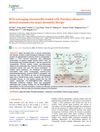
October 2025 in “Nano Research” In this study, researchers developed a dissolvable microneedle patch combining HA-TEMPO and Portulaca oleracea L.-derived nanoparticles, which effectively reduced oxidative stress and inflammation in an atopic dermatitis model while restoring immune balance, suggesting a promising treatment strategy.
31 citations
,
September 1999 in “Molecular Carcinogenesis” This study in a transgenic mouse model found that repressing overexpression of ornithine decarboxylase reduced papilloma development, indicating its role in tumor promotion sensitivity.
 April 2023 in “Journal of Cutaneous and Aesthetic Surgery”
 In this study, researchers analyzed the occipital donor area for hair transplantation among men aged 50–55 with androgenetic alopecia and found that while most subjects met standard safe donor area criteria, individual variations suggest a conservative approach to donor area selection.
 September 2014 in “Hair transplant forum international”
 This article discusses the XV Congress of the Italian Society of Hair Restoration held in Ortigia and reports no clinical findings.
June 2026 in “International Journal of Medical Arts”  4 citations
,
November 2024 in “Cell Biology and Toxicology”
4 citations
,
November 2024 in “Cell Biology and Toxicology” This study suggests that targeting olfactory receptors in the lung epithelium might help treat odorant-induced asthma in cases without type 2 inflammation, as these receptors could play a role in airway sensitivity to smells.
 2 citations
,
December 2020 in “American Journal of Dermatological Research and Reviews”
2 citations
,
December 2020 in “American Journal of Dermatological Research and Reviews” This study found that combining 308-excimer phototherapy with intramuscular triamcinolone acetonide was effective and well tolerated for treating resistant alopecia totalis, showing a 90% overall response rate in the ten patients studied, with the best results observed in younger patients.
 September 2025 in “AESTHETIC OROFACIAL SCIENCE”
 This study found that polidioxanona threads increased hair density and satisfaction in treating various types of alopecia, with no adverse events reported, though the small sample limits broader conclusions.
25 citations
,
January 2024 in “Journal of Lipids” This review reports that cubosomes, used as drug nanocarriers in topical treatments, offer potential benefits for managing skin and eye diseases by improving bioadhesion, retention, and sustained release compared to conventional formulations, but also face manufacturing and biological challenges for effective clinical outcomes.
71 citations
,
February 2012 in “The American Journal of Human Genetics” This study found that a heterozygous missense mutation in ATR is associated with a hereditary cancer syndrome, manifested by oropharyngeal cancer and other anomalies, in an autosomal-dominant inheritance pattern across a five-generation family.
September 2023 in “Journal of the American Academy of Dermatology” Alopecia is rare after organ transplants but more common in females, Hispanic patients, and pancreas recipients.
 June 2022 in “Pakistan Journal of Medical and Health Sciences”
 This randomized controlled trial found that topical clobetasol propionate 0.05% ointment is significantly more effective than topical tacrolimus 0.1% ointment in promoting hair regrowth in patients with alopecia areata, with effective results observed in 79.31% of clobetasol users compared to 44.82% of tacrolimus users.
January 2026 in “Vestnik dermatologii i venerologii” In this review, the authors report that tacrolimus ointment shows promise for expanding its use to a variety of skin conditions, beyond its current approval for atopic dermatitis, by analyzing clinical experiences of its application for rosacea, seborrheic dermatitis, psoriasis, and other dermatoses.