8 citations
,
January 1977 in “Acta Haematologica” This study found that the PVP protocol, combining Peptichemio, vincristine, and 6-methylprednisolone, resulted in remission for diffuse non-Hodgkin's lymphomas with moderate side effects.
1 citations
,
January 2022 in “Burns” This study found that taurine and apocynin together created a synergistic effect by significantly reducing burn area damage and enhancing tissue recovery in the burn zone of stasis in rats by day 21.
 December 2025 in “npj Breast Cancer”
 In the phase 3 CAPItello-291 trial, capivasertib combined with fulvestrant significantly increased progression-free survival in patients with advanced breast cancer with specific genetic alterations, but the authors highlight that managing side effects like diarrhea, rash, and hyperglycemia is crucial for optimizing treatment adherence and outcomes.
21 citations
,
September 2013 in “Current medicinal chemistry” This study found that co-drugs synthesized from hydroquinone and tranexamic acid improved skin targeting and deposition, with reduced irritation and enhanced efficacy for treating hyperpigmentation.
 April 2026 in “Preprints.org”
 This review discusses the potential of cold atmospheric plasma as a selective antitumor therapy for breast cancer but reports no clinical results, emphasizing its promise and the challenges to its use in precision oncology.
 2 citations
,
January 2018 in “Elsevier eBooks”
2 citations
,
January 2018 in “Elsevier eBooks” Targeted therapies for lung cancer are effective but require careful management of side effects to benefit patients.
 18 citations
,
May 1988 in “Journal of The American Academy of Dermatology”
18 citations
,
May 1988 in “Journal of The American Academy of Dermatology” In this study, itraconazole was reported to effectively alleviate clinical symptoms in patients with recalcitrant Trichophyton rubrum infections, though toenail infections often recurred, indicating the need for further research on long-term efficacy and safety.
January 2005 in “世界胃肠病学杂志:英文版(电子版)” This study found that etoposide enhances the radiosensitivity of CT26 colorectal adenocarcinoma in BALB/c mice, significantly inhibiting tumor growth without significant toxicity.
 26 citations
,
November 2016 in “European Journal of Clinical Pharmacology”
26 citations
,
November 2016 in “European Journal of Clinical Pharmacology” This study found that using valproic acid during radiotherapy for glioma was associated with delayed hair loss and improved survival outcomes.
October 2023 in “Indian Journal of Skin Allergy” This study discusses a rare case of subacute cutaneous lupus erythematosus induced by nab-paclitaxel, a complication scarcely reported in existing literature related to paclitaxel use.
 89 citations
,
May 1999 in “Pediatric Dermatology”
89 citations
,
May 1999 in “Pediatric Dermatology” This article reviews the treatment options for tinea capitis, suggesting that itraconazole, terbinafine, and fluconazole are effective and safe alternatives to griseofulvin but reports no new clinical results.
 15 citations
,
November 2020 in “Pharmaceutics”
15 citations
,
November 2020 in “Pharmaceutics” In this ex vivo and mouse model study, Tofacitinib-loaded nanoparticles demonstrated enhanced delivery of the drug into hair follicles and reduced inflammatory effects compared to conventional forms, indicating potential for safer, topical use in treating alopecia areata.
1 citations
,
November 2024 in “Neuro-Oncology” This case report highlights the rare occurrence of life-threatening aplastic anemia in a 65-year-old woman treated with temozolomide for glioblastoma multiforme, emphasizing the need for more frequent blood monitoring to detect severe bone marrow suppression early.
January 2012 in “Journal of Clinical Medicine in Practice” This study found that first-line treatment with docetaxel and carboplatin was safe and effective for elderly patients with advanced non-selective non-small-cell lung cancer, showing an overall efficacy rate of 47.87%.
 1 citations
,
October 2022 in “Дерматовенерология Косметология”
1 citations
,
October 2022 in “Дерматовенерология Косметология” This article reviews skin toxicity classifications and management in patients undergoing molecularly targeted therapy, noting significant dermatotropic side effects associated with Epidermal Growth Factor Receptor Inhibitors.
 October 2024 in “Asian Journal of Pharmaceutical and Clinical Research”
 This study at Gajra Raja Medical College found that topical methotrexate with tretinoin was more effective but not significantly better than betamethasone with tretinoin for treating alopecia areata over six months, with similar safety profiles between the treatments.
7 citations
,
March 2023 in “Journal of Investigative Dermatology” Low-intensity ultrasound may help protect hair follicles from chemotherapy-induced hair loss.
5 citations
,
February 2025 in “Pediatric Dermatology” In this study, ritlecitinib was generally well tolerated in pediatric alopecia areata patients aged 6 to <12 years, with no severe or serious adverse events reported, and the drug's pharmacokinetic parameters were successfully characterized.
24 citations
,
December 1997 in “Mayo Clinic proceedings” This report describes a case where a woman developed bronchiolitis obliterans organizing pneumonia and lupus potentially induced by carbamazepine, a reaction not previously documented.
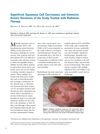 5 citations
,
May 2006 in “Dermatologic Surgery”
5 citations
,
May 2006 in “Dermatologic Surgery” This study found that a PEEP of 10 mbar for 2 hours did not adversely affect liver function or gastric mucosal perfusion in patients after cardiac surgery, as long as cardiac output was maintained.
2 citations
,
March 2010 in “Acta Biochimica Polonica” This study observed that conjugates of the anticancer drug raltitrexed with dextran and albumin were more cytotoxic than the free drug at high concentrations, altering cell cycle effects.
4 citations
,
November 1998 in “Pediatrics in review” This article reviews the characteristics and treatment options for various dermatophyte infections, highlighting that systemic treatment is essential for tinea capitis while topical treatments are generally effective for other types.
188 citations
,
October 2014 in “Thyroid” This study found that dabrafenib was well tolerated and led to durable responses in patients with BRAF-mutant differentiated thyroid carcinoma, with a median progression-free survival of 11.3 months.
September 2025 in “Journal of the American Academy of Dermatology” Ritlecitinib may help treat alopecia areata by protecting hair follicles.
March 2026 in “Al-Azhar International Medical Journal /Al-Azhar International Medical Journal” In this study, patients with resistant alopecia areata treated with 35% trichloroacetic acid showed significantly better outcomes compared to those receiving superficial cryotherapy, with TCA demonstrating "excellent" results in 37.5% of cases versus 6.25% for cryotherapy.
 20 citations
,
January 2000 in “Dermatologic Clinics”
20 citations
,
January 2000 in “Dermatologic Clinics” This article discusses recent advancements in treatments for psoriasis, including new drug approvals and innovative therapeutic approaches, but reports no new clinical results.
January 2025 in “International Journal of Pharmaceutics” In this study, gelatin-coated transferosomes were developed to deliver tofacitinib specifically to hair follicles, resulting in 80% hair regrowth in alopecia areata patients with recalcitrant lesions after 12 weeks of treatment.
110 citations
,
April 2009 in “Cell Motility and the Cytoskeleton” This review discusses the intracellular activity of β-thymosins and their role in modulating the actin cytoskeleton, but it reports no new experimental results.
 May 2024 in “Deleted Journal”
 This study reports that chemotherapy-induced hair loss affects up to 65% of patients, typically within 1 to 3 weeks of treatment, while scalp cooling may help prevent severe hair loss with taxane-based therapies.
10 citations
,
August 2016 in “Dermatology Online Journal” This article describes cutaneous reactions including keratosis pilaris-like eruptions in a patient on nilotinib for chronic myelogenous leukemia, emphasizing the importance of accurately classifying such eruptions.