 September 2024 in “African Journal of Biomedical Research”
 This study found that individuals with alopecia areata had significantly lower blood levels of vitamin D and slightly lower serum copper levels compared to healthy controls, suggesting the potential importance of assessing these factors in the chemical evaluation of patients with this condition.
 August 2024 in “Biomedical Journal of Scientific & Technical Research”
 This study assessed the use of a levered nail trimmer, finding that it may improve ease of nail trimming, enhance personal comfort, and potentially benefit general health and wellness, including reduced injury risk for bald individuals of all ages and backgrounds.
 February 2024 in “International Journal of Scientific Research in Science and Technology”
 This literature review outlines the traditional uses, nutritional composition, and bioactive compounds of pomegranate plants, highlighting their varied pharmacological actions such as antibacterial, antiviral, anticancer, and antioxidant effects, and discusses the peel's chemical composition and toxicology.
 January 2024 in “International Journal of Environment Agriculture and Biotechnology”
 In this study, organic garlic was found to have higher levels of bioactive elements and stronger antimicrobial properties compared to chemically grown garlic, highlighting the benefits of organic cultivation for enhancing garlic's nutritional and health-promoting qualities.
 August 2023 in “Gadua Journal of Pure and Allied Science”
 This study on diabetic rats reported that Ziziphus spina-christi ethanol leaf extract significantly reduced blood glucose levels and improved liver and kidney function, suggesting possible benefits in managing diabetes symptoms in this animal model.
This article reviews various topics including medically important plants in dermatology, supporting medicinal herbs for primary dysmenorrhea, and several drug delivery systems, without providing new clinical findings.
 December 2015 in “Basrah Journal of veterinary Research”
 In this study, researchers found that most buffaloes in Basrah, Iraq, suffered mineral deficiencies, especially in zinc, cobalt, copper, and sulfur, with outdoor grazing buffaloes displaying more severe deficiencies than those kept indoors.
 January 2014 in “Dermatology Review”
 This review discusses the potential benefits of folate supplementation to mitigate methotrexate side effects in psoriasis patients and reports no new clinical data, suggesting further randomized controlled trials are needed.
 March 2000 in “Preventive Nutrition and Food Science”
 This study suggests that biotin-rich functional food may stimulate hair growth and prevent hair loss through improved cholesterol and lipid metabolism and blood flow in men.

In this study, the average force required to pluck hair was significantly lower in malnourished adults, especially those with kwashiorkor, compared to well-nourished individuals.
 April 2026 in “Journal of Applied Veterinary Science And Technology”
 In this case report, the rapid clinical improvement of a 2-month-old rescued kitten with severe malnutrition-related ascites after nutritional intervention highlights the importance of nutritional assessment in diagnosing ascites in young felines.
 November 2025 in “Frontiers of Agricultural Science and Engineering”
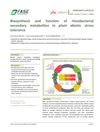
 This study observed that rhizobacterial strain RT3 significantly improved drought tolerance in lettuce by increasing survival rates and fresh biomass after rewatering, with metabolites such as proline and glycine enhancing stress resilience.
 October 2025 in “International Journal For Multidisciplinary Research”
 This study describes a case where a patient with Vitamin B12 deficiency symptoms achieved increased serum B12 levels and symptom relief through treatment with Amyron syrup and Amlycure DS capsules, rather than traditional B12 supplements.
 August 2025 in “Archiv Euromedica”
 This review explored the relationship between alopecia areata and gut microbiota imbalances, noting potential immune dysregulation due to microbiome alterations. It highlighted promising results from fecal microbiota transplantation in treating alopecia universalis, indicating a need for further research into microbiome-targeted therapies.

This study discusses a natural hair care shampoo formulated with ingredients such as Ritha, aloe Vera, and Amla fruit, designed to clean hair, eliminate oil and dandruff, and promote strength, blackness, and growth.
This study prepared herbal hair oil using ingredients like coconut oil, amla, neem, hibiscus, and onion, and reported that the formulations exhibit anti-hairfall properties along with benefits like antidandruff activity, improved scalp circulation, and reduced hair whitening compared to synthetic alternatives.
 January 2025 in “International Journal of Advanced Research in Science Communication and Technology”
 Results are not reported for this study exploring how herbal hair dye, made from natural plant-based ingredients, might promote glossier, longer, and thicker hair while covering gray.
 January 2025 in “Medical Research Archives”
 In this review, researchers reported that anorexia nervosa leads to widespread medical complications across all body systems, particularly at low body weights, and these complications are primarily treated through nutritional rehabilitation with a multidisciplinary team approach.
 January 2025 in “International Journal of Pharmaceutical Research and Applications”
 In this research, topical gels using natural mucilages from okra and hibiscus were successfully formulated to deliver diclofenac diethylamine, with hibiscus mucilage at 10% showing the best performance as a gelling agent based on various physicochemical tests.
 September 2024 in “International Journal of Research and Review”
 This study found that Wiesbaden Dilution 30C significantly reduced hair fall in 76.66% of Telogen Effluvium patients, with 23 out of 30 experiencing notable improvement and new hair growth without adverse effects.
 August 2024 in “Indian Journal of Animal Research”
 In this study, dermatophytosis in cattle around Parbhani was found to have a prevalence of 17.2%, with Clove oil treatment showing the quickest recovery in 7 days.
 July 2024 in “International Journal of Advanced Research in Science Communication and Technology”
 This study explored the antibacterial and wound-healing effects of an 80% methanol extract from Hibiscus micranthus leaves, finding it effective against several bacterial strains and beneficial for wound healing in rats.
 March 2024 in “Journal of medicinal plants studies”
 This review comprehensively examines the Hibiscus rosa-sinensis plant, detailing its distribution, physical and chemical properties, bioactive compounds, ethnomedicinal uses, and potential toxicity, providing a broad understanding of its characteristics and health implications.
 January 2024 in “Open access journal of pharmaceutical research”
 This study aimed to develop a herbal hair oil formulation using ingredients like hibiscus, amla, and coconut oil to address hair loss and related issues without causing the adverse effects associated with synthetic medications.
 December 2023 in “International Journal of Advanced Research in Science, Communication and Technology”
 The article reviews various medicinal properties of Semecarpus anacardium Linn., highlighting its traditional use for different diseases and noting its potential benefits as antiatherogenic, anti-inflammatory, antioxidant, antimicrobial, and hypoglycemic, among others.
 October 2023 in “International journal of biology, pharmacy and allied sciences”
 This article provides an in-depth exploration of both natural and synthetic treatments for alopecia, examining their mechanisms, benefits, limitations, and current research, while noting that synthetic therapies can have potential adverse effects.

This paper reviews the effectiveness and side effects of various treatments for androgenetic alopecia, telogen effluvium, and alopecia areata, emphasizing the importance of discussing each option's costs, benefits, and risks with patients.
 June 2023 in “International journal of research in ayurveda and pharmacy”
 This study explores how Dhatryadi rasayana, a polyherbal formulation with antioxidant properties, may help prevent and treat premature hair greying by addressing factors such as oxidative stress, nutritional deficiencies, and hormone imbalances, potentially through rasayana therapy.
 February 2023 in “Aesthetic Cosmetology and Medicine”
 This review examines the health-promoting effects of medicinal plants used in nutricosmetics, highlighting their beneficial impact on skin physiology, but offers no new clinical results.
 October 2022 in “International Journal For Multidisciplinary Research”
 This review summarizes Hibiscus rosa Sinensis's phytochemistry, pharmacology, and medicinal uses, noting various beneficial effects and the need for further research on its phytochemicals and clinical applications.