January 2007 in “Frontiers in Medicine” This study found that tofacitinib was an effective and better-tolerated treatment for moderate-to-severe AA compared to SCs, though its efficacy decreased in patients with disease episodes longer than two years.
 41 citations
,
December 2015 in “JAMA Dermatology”
41 citations
,
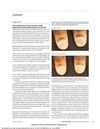
December 2015 in “JAMA Dermatology” Tofacitinib citrate improved nail dystrophy and pain in patients with alopecia universalis without causing side effects.
![Benzo[c]quinolizin-3-ones: A Novel Class of Potent and Selective Nonsteroidal Inhibitors of Human Steroid 5α-Reductase 1](/images/assets/ff6e6cbe-cb9c-4d11-87ef-671d28ffd4fa/small/15506.jpg) 28 citations
,
September 2000 in “Journal of Medicinal Chemistry”
28 citations
,
September 2000 in “Journal of Medicinal Chemistry” This study identified novel compounds as selective inhibitors of the type 1 isoenzyme of 5α-reductase, displaying promising potential for treating DHT-dependent disorders such as acne and androgenic alopecia.
September 2025 in “Stem Cell Research & Therapy” This study found that TAZ promotes adipogenesis in goat adipose-derived mesenchymal stem cells by enhancing PI3K/AKT pathway activity, with overexpression boosting adipocyte formation and knockdown inhibiting it.
This study successfully adapted the Alopecia Areata Quality of Life Index Questionnaire into Turkish, finding it to be valid and reliable for assessing the quality of life in Turkish patients with alopecia areata.
 August 2018 in “Journal of the American Academy of Dermatology”
 Tofacitinib is a potential alternative treatment for alopecia totalis, especially in patients with a shorter duration of the condition and more preserved hair follicles, but the overall response rate is low.
 7 citations
,
March 2024 in “Scientific Reports”
7 citations
,
March 2024 in “Scientific Reports” This study reports that the new neighborhood face index (NFI) demonstrates a remarkably high correlation with the physiochemical properties of benzenoid hydrocarbons, highlighting its potential as a predictive tool.
June 2020 in “Dermatologic therapy” Using Janus kinase inhibitors (JAKi) in COVID-19 treatment requires careful consideration due to their immunosuppressive effects.
 June 2026 in “bioRxiv (Cold Spring Harbor Laboratory)”
 This study found that inhibiting the interaction between HOTAIR and EZH2 can block pro-fibrotic gene expression in fibroblasts and interfere with tissue remodeling in systemic sclerosis patient skin.
35 citations
,
February 2022 in “Frontiers in Pediatrics” This study found that tofacitinib may be effective in treating various pediatric rheumatic diseases, particularly juvenile idiopathic arthritis, although some patients did not respond, and side effects were observed.
 April 2018 in “Journal of Investigative Dermatology”
 This study found that patients taking hydroxychloroquine had a significantly higher likelihood of indeterminate QuantiFERON-TB Gold test results compared to those not on the medication, independent of other immunosuppressive drug use.
 January 2011 in “Side effects of drugs annual”
 Tretinoin gel is safe for sun exposure, but tacalcitol doesn't significantly improve non-segmental vitiligo.
 64 citations
,
August 2019 in “Circulation”
64 citations
,
August 2019 in “Circulation” This study found that men receiving enzalutamide and other androgen-deprivation therapies may be at increased risk for QT prolongation and torsades de pointes.
 56 citations
,
March 2010 in “Journal of Dermatology”
56 citations
,
March 2010 in “Journal of Dermatology” This review provides a synopsis of 53 cases of temporal triangular alopecia, noting its frequent detection in early childhood and potential association with congenital diseases, but it reports no new clinical findings.
8 citations
,
November 2024 in “Phytomedicine” Isoquercitrin helps hair grow by activating certain cell processes.
 5 citations
,
January 2021 in “Inflammatory Bowel Diseases”
5 citations
,
January 2021 in “Inflammatory Bowel Diseases” In this report, a female patient with ulcerative colitis, alopecia areata, and pyoderma gangrenosum showed improvement in all three conditions after being treated with tofacitinib.
November 2024 in “European Journal of Pharmacology” In this study, MitoQ was found to enhance hair growth and reverse DHT-induced hair loss in a mouse model of androgenetic alopecia by mediating the WNT/β-catenin pathway and increasing CYP19A1 expression, suggesting potential as a therapeutic intervention.
21 citations
,
March 2021 in “Molecules” This study found that a new quercetin-loaded self-nanoemulsifying drug delivery system improved quercetin bioavailability by 149.8% compared to its suspension in rats.
 28 citations
,
December 2017 in “Journal of Investigative Dermatology Symposium Proceedings”
28 citations
,
December 2017 in “Journal of Investigative Dermatology Symposium Proceedings” This review summarizes findings on the long-term use of tofacitinib for severe alopecia areata, reporting its potential as a promising treatment option.
 December 2023 in “Journal of Ayub Medical College Abbottabad”
 In this study, Ritlecitinib was reported as a newly approved treatment for alopecia areata that can be used in patients aged 12 and older; after 24 weeks, it resulted in 80% or more scalp hair coverage in treated patients compared to a placebo.
 January 2024 in “American journal of clinical dermatology”
 This study reports that ritlecitinib, when used for up to 24 months in patients aged 12 and older with alopecia areata, has an acceptable safety profile, with a similar proportion of adverse events in both ritlecitinib and placebo groups in the placebo-controlled cohort.
75 citations
,
February 2017 in “Aging” This study found that treating mtDNA mutator mice with the antioxidant SkQ1 delayed aging traits and extended their lifespan, potentially by alleviating mitochondrial dysfunction caused by reactive oxygen species.
May 2025 in “OPAL (Open@LaTrobe) (La Trobe University)” This study found that tofacitinib may inhibit CD8+ T cell infiltration in alopecia areata by affecting the linoleic acid metabolism-Mg2+ pathway in a sodium sulfide-induced mouse model, highlighting new insights for clinical diagnosis and treatment strategies.
January 2011 in “Zhonghua zhongyiyao xuekan” This study found that Yiqi Huayu Chinese medicine may inhibit benign prostatic hyperplasia in rats by reducing MMP-2 levels and vessel renewal, with effects comparable to finasteride.
 March 2022 in “International Journal of Trichology”
 In this case report, a young female Indian patient with alopecia areata saw hair regrowth within 2 months of treatment with oral tofacitinib, with continued improvements over a 5-month period and no reported side effects.
 June 2024 in “Journal of Clinical Oncology”
 This study observed that dalpiciclib is associated with fewer adverse events like diarrhea and hepatotoxicity compared to other CDK4/6 inhibitors, potentially offering better patient-perceived safety and quality of life.
 November 2025 in “Mendeley Data”
 In this study, tofacitinib and baricitinib showed comparable efficacy and tolerability under unorthodox weight-stratified dosing in pediatric patients with moderate-to-severe alopecia areata over 24 weeks; however, the unorthodox baricitinib regimen yielded a lower effectiveness in severe cases, emphasizing the importance of adherence to guideline-recommended dosing.
4 citations
,
January 2025 in “Pharmaceutics” This study found that spanlastic gel loaded with thymoquinone and ascorbic acid improved skin deposition and tyrosinase inhibition, suggesting potential as a treatment for hyperpigmentation.
 January 2012 in “Modern Plastic Surgery”
 This review discusses Toe Tourniquet Syndrome, a frequently misdiagnosed condition that can lead to necrosis if untreated, and calls for increased clinician awareness, but reports no new clinical findings.
September 2023 in “Journal of the American Academy of Dermatology” CTP-543 is generally safe for treating alopecia areata.