33 citations
,
March 2018 in “Italian Journal of Dermatology and Venereology” This article reviews clinical and histopathological aspects of cutaneous lupus erythematosus and its treatment, emphasizing the importance of photoprotection and outlining current therapies, but reports no new experimental results.
 29 citations
,
August 2008 in “Current Opinion in Pediatrics”
29 citations
,
August 2008 in “Current Opinion in Pediatrics” This review discusses the most common types of alopecia in adolescents and emphasizes the importance of psychosocial support, but reports no new clinical findings.
 23 citations
,
January 2010 in “Journal of The American Academy of Dermatology”
23 citations
,
January 2010 in “Journal of The American Academy of Dermatology” This article discusses the efficacy and safety of mycophenolate mofetil and hydroxychloroquine for treating lichen planopilaris and reports no new clinical results.
 22 citations
,
November 2007 in “Journal of Investigative Dermatology Symposium Proceedings”
22 citations
,
November 2007 in “Journal of Investigative Dermatology Symposium Proceedings” This presentation reviews recent discoveries about signaling mechanisms in hair follicles and their potential influence on hair cycle control and melanogenesis, without presenting new experimental results.
 18 citations
,
March 2004 in “Clinics in Dermatology”
18 citations
,
March 2004 in “Clinics in Dermatology” This review discusses recent advances in understanding the cellular, molecular, and genetic factors contributing to lupus erythematosus and reports no new experimental findings.
 14 citations
,
April 2019 in “International Journal of Women's Health”
14 citations
,
April 2019 in “International Journal of Women's Health” This review highlights current treatment options for frontal fibrosing alopecia, noting that 5-α-reductase inhibitors, intralesional steroids, and hydroxychloroquine have the highest evidence of effectiveness, while other therapies show variable results and need further research.
 6 citations
,
February 1974 in “The BMJ”
6 citations
,
February 1974 in “The BMJ” The document concludes that scalp disorders can be treated with hair washing, specific shampoos, medications, and sometimes surgery or hair transplants, but hereditary baldness is untreatable.
 6 citations
,
September 1990 in “International Journal of Gynecology & Obstetrics”
6 citations
,
September 1990 in “International Journal of Gynecology & Obstetrics” This case report describes a rare instance of pruritic urticarial papules and plaques of pregnancy in a 25-year-old caucasian primigravida during the third trimester, discussing management recommendations.
6 citations
,
February 1985 in “Archives of Dermatology” This report describes a case where a 23-year-old woman with juvenile rheumatoid arthritis developed generalized ichthyosiform eruption due to sarcoidosis after long-term use of systemic corticosteroids.
5 citations
,
June 2012 in “PubMed” This article discusses leukocytoclastic vasculitis, particularly its triggers, manifestations, and treatments, and reports no new experimental results; the authors highlight valproic acid's association with this condition.
4 citations
,
April 2020 in “Dermatology practical & conceptual” This study reported that among postmenopausal women with female pattern hair loss, treatment with topical finasteride 0.5% and minoxidil 2% was more effective at improving hair condition than treatment with topical 17α-estradiol 0.05% and minoxidil 2%, particularly notable at 12-18 months of follow-up.
 4 citations
,
January 2018 in “General Physiology and Biophysics”
4 citations
,
January 2018 in “General Physiology and Biophysics” In this study, finasteride-treated WAG/Rij rats showed a significant increase in spike-wave discharges when administered endogenous steroids THPROG and THDOC, indicating potential exacerbation of absence seizures.
4 citations
,
April 2019 in “DOAJ (DOAJ: Directory of Open Access Journals)” This review highlights available treatments for frontal fibrosing alopecia, noting that 5-alpha reductase inhibitors, intralesional steroids, and hydroxychloroquine currently have the most evidence supporting their use, while other treatments show variable results and require further study.
 1 citations
,
March 2023 in “Clinical, Cosmetic and Investigational Dermatology”
1 citations
,
March 2023 in “Clinical, Cosmetic and Investigational Dermatology” This review discusses recent advances in understanding and treating alopecia areata, emphasizing the ongoing challenges and unmet needs in disease management; it reports no new clinical findings.
 1 citations
,
January 2015 in “Springer eBooks”
1 citations
,
January 2015 in “Springer eBooks” Chemotherapy can cause skin side effects that affect patients' lives, but they can be managed to avoid interrupting cancer treatment.
 January 1998 in “Current Therapeutics”
 This article provides an overview of hair loss conditions and treatments, reporting no new research findings.
 August 2023 in “Journal of The American Academy of Dermatology”
 This article discusses various treatments for primary cicatricial alopecia with a focus on early intervention to manage symptoms and improve hair density, but it reports no new clinical results.
 April 2021 in “International Journal of Research in Dermatology”
 This case report describes a 7-year-old child with linear lupus panniculitis of the scalp, treated successfully with a combination of hydroxychloroquine, topical and intralesional steroids, and a topical calcineurin inhibitor.
 August 2018 in “Journal of The American Academy of Dermatology”
 A 16-year-old girl's skin rash was likely caused by an infection and improved with topical steroids.
 January 2015 in “Independent Nurse”
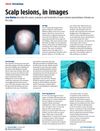
 Different scalp conditions can lead to hair loss or tumors, with treatments varying from creams to surgery; early detection is crucial.
 January 2012 in “Springer eBooks”
 Lupus can cause different skin problems, and treatments like quitting smoking and using certain creams or medicines can help.
February 2010 in “Emergency Medicine News” This case report describes a 36-year-old African American woman with discoid lupus resulting in skin lesions, highlighting the need for a multidisciplinary approach in managing cutaneous and systemic lupus symptoms.
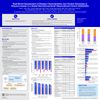
In this retrospective study of alopecia areata patients across several European countries, researchers observed a notable reduction in SALT scores, but few patients reached or maintained a clinically significant SALT score of ≤20, indicating potentially limited effectiveness of current treatments for extensive hair loss.
 January 2015 in “Indian Dermatology Online Journal”
 This diagnostic discussion reports that diffuse alopecia areata was identified in a patient with diffuse hair loss, based on specific histopathological features observed in a biopsy.
 April 2012 in “Informa Healthcare eBooks”
 Alopecia areata is a common autoimmune condition causing varying hair loss, diagnosed by specific patterns of inflammation around hair follicles, with several treatment options available.
 117 citations
,
March 2013 in “Journal of the European Academy of Dermatology and Venereology”
117 citations
,
March 2013 in “Journal of the European Academy of Dermatology and Venereology” This study reported that while no effective treatment exists for frontal fibrosing alopecia, oral 5-alpha-reductase inhibitors showed the most promise, inducing a good clinical response in 45% of patients.
 95 citations
,
November 2018 in “Australasian journal of dermatology”
95 citations
,
November 2018 in “Australasian journal of dermatology” This consensus statement outlines a treatment algorithm for alopecia areata, discussing when to consider systemic treatment and how to assess outcomes, without providing new clinical results.
 15 citations
,
January 2019 in “Journal of the Formosan Medical Association”
15 citations
,
January 2019 in “Journal of the Formosan Medical Association” This case study reports that adding adalimumab to a 12-year-old VKH patient's treatment allowed for ocular inflammation remission, vision improvement, and corticosteroid tapering, suggesting escalation of immunosuppression may be critical in pediatric VKH cases.
10 citations
,
October 2018 in “Neurology Neuroimmunology & Neuroinflammation” This case report describes a 31-year-old woman experiencing alopecia areata as a potential side effect of alemtuzumab treatment for relapsing-remitting MS.
 4 citations
,
September 2014 in “Elsevier eBooks”
4 citations
,
September 2014 in “Elsevier eBooks” This review discusses the safety of dermatological medications used during pregnancy, highlighting that retinoids have strong teratogenic risks and should be used with caution; it reports no new clinical results.