 January 2026 in “Annals of Dermatology”
 This study found high levels of anxiety, depression, and PTSD in dermatology patients one year after the February 6, 2023, earthquakes in Türkiye, with specific skin conditions like telogen effluvium and alopecia areata being more prevalent among those with psychological distress.
January 2026 in “European Journal of Cancer Care” In this cross-sectional study, social support was found to improve empowerment and alopecia-related quality of life in breast cancer patients, with an indirect benefit on quality of life achieved through enhanced empowerment.
 January 2026 in “Journal of Epidemiology”
 This cross-sectional study reported that adults with greater hair loss severity had significantly higher odds of hypertension, diabetes, and cardiometabolic multimorbidity, suggesting a possible link between hair loss and cardiometabolic health.
January 2026 in “Journal of Dermatology & Dermatologic Surgery” In this study, rosemary was found to be a common hair care choice among adults in Saudi Arabia, with users reporting mixed perceptions of benefits and side effects; age and prior hair loss treatment use influenced these self-reported outcomes.
January 2026 in “Dermatologic Therapy” In this hospital-based cross-sectional study, researchers found that alopecia is more prevalent in younger patients, with alopecia areata and lichen planopilaris being the most common types among noncicatricial and cicatricial cases, respectively; additionally, thyroid abnormalities were frequently associated with both types of alopecia.
November 2025 in “Healthcare” This study found that individuals with hair loss complaints had slightly lower zinc levels compared to controls, but the difference was clinically insignificant, suggesting zinc testing is not essential for diagnosing hair loss.
 September 2025 in “Journal of Medical Sciences and Health”
 This study observed that among men aged 18 to 35 with early onset androgenetic alopecia, those with severe grades and metabolic syndrome may face increased cardiovascular risks, highlighting the importance of screening and monitoring.
 August 2025 in “Dermatology Reports”
 This study suggests that rosemary oil use may reduce the likelihood of premature hair greying among users in Saudi Arabia, though further research is needed to validate these findings.

In this study, researchers in Baghdad, Iraq found that men with hair loss had higher body fat mass and haematocrit values, and lower blood pressure compared to men without hair loss, suggesting potential links between metabolic and hematologic changes and baldness.
June 2025 in “Bioinformation” This study found that nearly one in four young adults in a dermatology clinic had premature greying of hair, influenced by genetic factors, lifestyle, and micronutrient levels.
May 2025 in “International Journal of Trichology” The examined study explored how trichoscopic evaluations of female pattern hair loss might relate to disease severity and histological changes, but the authors highlighted methodological issues such as unclear sample size determination and insufficient control of confounding variables, which limit the results' generalizability and reproducibility.
 March 2025 in “Yemeni Journal For Medical Sciences”
 This study found that 89.3% of female college students in Aden, Yemen, had hypovitaminosis D, with sunscreen use and lack of vitamin D supplements significantly associated with this condition.
March 2025 in “Acta Dermato Venereologica” This cross-sectional survey found that individuals with alopecia areata and androgenetic alopecia perceived stigmatization and impaired quality of life, with greater stigma reported in German-speaking participants; factors like gender, age, and disease severity influenced stigmatization levels.
 March 2025 in “Journal of College of Physicians And Surgeons Pakistan”
 In this cross-sectional survey conducted in Lahore, Pakistan, 64% of LGBTQ participants experienced dermatological conditions such as androgenic alopecia, atopic eczema, melasma, and infections like scabies, highlighting the need for specialized dermatological care within this community.
 February 2025 in “PLoS ONE”
 This study provides an overview of androgenetic alopecia in the USA, highlighting social determinants, differences in onset between genders, and how management varies by age and gender.
January 2025 in “International Journal of Pharmaceutical Quality Assurance” This study, conducted among elderly patients in an Indian dermatology department, found that pruritus was the most common complaint, while fungal infections and eczematous disorders were also prevalent; notably, age-related changes like wrinkling and hair graying affected all participants.
 January 2025 in “International Journal of Scientific Research”
 This study found that female pattern hair loss was present in 12.5% of PCOS patients examined, with most cases in younger women, highlighting early detection and management importance.
January 2025 in “International Journal of Medicine in Developing Countries” This study explored androgenetic alopecia in a large Saudi sample, finding that onset often occurs in youth, with strong family aggregation and minimal use of treatments like minoxidil, despite high rates of hair shedding during combing, especially among women.
December 2024 in “Skin Appendage Disorders” Traction alopecia reduces hair density and thickness; proper hair care can help prevent it.
 December 2024 in “Journal of General-Procedural Dermatology & Venereology Indonesia”
 This study found that telogen effluvium was significantly more common among women who wear hijabs compared to those who do not in the observed Indonesian population.
 November 2024 in “IP Indian Journal of Clinical and Experimental Dermatology”
 Dermoscopy is a useful tool for diagnosing and managing topical steroid dependent face.
 September 2024 in “IP Indian Journal of Clinical and Experimental Dermatology”
 This study found that a centrifugation protocol of 1300 rpm/246 g for 20 minutes followed by 1600 rpm/373 g for 20 minutes achieved the highest platelet yield in platelet-rich plasma.
 August 2024 in “Archives of Dermatological Research”
 Acne severity is not related to the type or severity of androgenetic alopecia.
 August 2024 in “Journal of Research in Clinical Medicine”
 In this study, researchers observed that patients with COVID-19 can develop a variety of skin lesions, with maculopapular rash, telogen effluvium, and urticaria showing significant associations with both the timing of symptom onset and the severity of the disease.
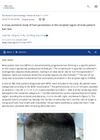 June 2024 in “Skin Research and Technology”
 This study found that patients with severe male pattern hair loss had lower hair density in the occipital region compared to those with mild or moderate cases.
 June 2024 in “Journal of Clinical Oncology”
 This study observed that dalpiciclib is associated with fewer adverse events like diarrhea and hepatotoxicity compared to other CDK4/6 inhibitors, potentially offering better patient-perceived safety and quality of life.
April 2024 in “Dermatology Reports” In this study, Saudi Arabian women showed moderate awareness of eyebrow microblading, yet many lacked knowledge of hygiene practices, indicating a need for more public education on the procedure's risks and standards.
April 2024 in “Journal of Pakistan Association of Dermatologists” This study observed that 16.84% of men aged 20 to 50 with androgenetic alopecia were found to have metabolic syndrome, indicating a substantial prevalence in this population.
April 2024 in “Our Dermatology Online” This study found that androgenetic alopecia may be a predictor of metabolic syndrome, emphasizing the importance of screening patients with severe hair loss for related health risks.
January 2024 in “Indian Journal of Pharmacy Practice” This study examined 142 patients with subclinical thyroid disorders and found a high incidence of comorbidities like renal diseases. Researchers reported that good medication adherence was associated with better quality of life, indicating a significant relationship between adherence and quality of life.