 January 2021 in “International journal of basic and clinical pharmacology”
 This study found that hydroxychloroquine was less effective than betamethasone oral mini pulse therapy in managing alopecia areata, with patients on hydroxychloroquine experiencing score increases and more relapses at 24 weeks, though adverse event rates were similar between the groups.
 20 citations
,
January 2000 in “Dermatologic Clinics”
20 citations
,
January 2000 in “Dermatologic Clinics” This article discusses recent advancements in treatments for psoriasis, including new drug approvals and innovative therapeutic approaches, but reports no new clinical results.
July 2025 in “Journal of Investigative Dermatology” This study found that high-dose UVA-1 therapy appeared to improve both patient-reported outcomes and objective clinical measures in patients with morphea and systemic sclerosis, supporting its potential efficacy for treating scleroderma.
 January 1989 in “Side effects of drugs annual”
 This chapter reviews studies on the side effects of cytostatics and immunosuppressive drugs, detailing various toxicities such as cardiovascular, pulmonary, and neurotoxicity, but provides no new clinical results.
4 citations
,
November 1984 in “JAMA” This case report describes a 61-year-old woman with Sjögren's syndrome who experienced multiple episodes of aseptic meningitis linked to trimethoprim-sulfamethoxazole and trimethoprim use.
October 2025 in “The American Journal of Gastroenterology” This report describes a case of SAPHO syndrome likely triggered by escalated dosing of infliximab in a 21-year-old woman, highlighting the complex nature of infliximab-induced adverse events, and suggesting a potential autoimmune basis involving two distinct pathophysiologies for SAPHO syndrome.
 July 2026 in “Dermatology Practical & Conceptual”
 This study found that while both microneedling-assisted methotrexate and triamcinolone acetonide treatments led to improvements in recalcitrant alopecia areata, methotrexate-treated areas had significantly better outcomes in terms of SALT score reduction, patient satisfaction, and relapse rates, suggesting its superior short-term efficacy.
 November 2021 in “International journal of life science and pharma research”
 This study reported that a solid lipid nanoparticle-based gel formulation, specifically optimized for psoriasis, improved drug loading capacity and release properties using high-pressure homogenization, suggesting its potential efficacy as a topical treatment.
 11 citations
,
October 2001 in “Dermatologic Clinics”
11 citations
,
October 2001 in “Dermatologic Clinics” In this study, subcutaneous recombinant human IL-12 showed a 43% partial response rate in early-stage mycosis fungoides patients refractory to previous treatments, with generally mild to moderate adverse events reported.
 522 citations
,
January 2001 in “Cancer investigation”
522 citations
,
January 2001 in “Cancer investigation” This review describes the unique pharmacological profile and clinical applications of pegylated liposomal doxorubicin, emphasizing its role in Kaposi's sarcoma and recurrent ovarian cancer, but reports no new clinical results.
 1 citations
,
February 2018 in “Orthopedics and rheumatology”
1 citations
,
February 2018 in “Orthopedics and rheumatology” This study found that combining intra-arterial chemotherapy with Traditional Chinese Medicine may improve response rates in malignant bone and soft tissue tumor treatment while also managing specific side effects.
 April 2023 in “Journal of Investigative Dermatology”
 This study found that PX-12 inhibited the NLRP3 inflammasome and reduced psoriasis-like symptoms in a mouse model, suggesting its potential as a treatment for psoriasis.
May 2026 in “Indian Journal of Dermatology” This study reports that Rituximab may be a safe and effective treatment for refractory juvenile systemic lupus erythematosus complicated by macrophage activation syndrome, allowing for successful steroid tapering.
This case report highlights a unique instance where the use of naproxen was associated with concurrent eosinophilic pneumonitis and diffuse alveolar hemorrhage, conditions not previously linked to NSAIDs.
February 2006 in “PubMed” In this study, docetaxel combined with prednisone significantly extended survival by about 2.5 months in men with hormone-resistant metastatic prostate cancer compared to mitoxantrone plus prednisone, despite the potential for severe adverse effects.
 3 citations
,
February 2005 in “Lung Cancer”
3 citations
,
February 2005 in “Lung Cancer” The new chemotherapy combination for advanced lung cancer showed a 35.7% response rate but caused significant side effects.
1 citations
,
May 2017 in “Journal of Clinical Oncology” This study found that applying BPM 31543 twice daily was safe, well-tolerated, and showed signs of reducing chemotherapy-induced alopecia in women receiving taxane-based chemotherapy.
3 citations
,
November 2021 in “Frontiers in medicine” In this retrospective study at Hiroshima University, methotrexate effectively controlled ocular inflammation in Japanese patients with non-infectious uveitis over 6 to 24 months, but a high incidence of adverse effects indicates careful monitoring and dose adjustments are important.
 16 citations
,
June 2017 in “JAMA Dermatology”
16 citations
,
June 2017 in “JAMA Dermatology” Thalidomide works best for skin lupus not helped by antimalarials, but has many side effects; other treatments are less effective, especially if patients also have systemic lupus.
October 2015 in “The American Journal of Gastroenterology” This case report observed a unique presentation of microscopic colitis with granulomatous inflammation in a patient whose symptoms resolved with budesonide treatment, suggesting a possible drug reaction, potentially linked to allopurinol.
 1 citations
,
May 2023 in “Annales d'Endocrinologie”
1 citations
,
May 2023 in “Annales d'Endocrinologie” In this study, researchers found that metformin improved glycaemic control and other metabolic parameters in non-diabetic patients on glucocorticoid treatment, also reducing pneumonia risk and hospital admissions, suggesting a potential advantage for routine use in this population.
 21 citations
,
April 2010 in “Veterinary Dermatology”
21 citations
,
April 2010 in “Veterinary Dermatology” This study documented the progression of exfoliative cutaneous lupus erythematosus in German shorthaired pointers and found generally poor responses to therapies, including immunomodulatory drugs and a TNF-α inhibitor.
 379 citations
,
May 2016 in “Cochrane library”
379 citations
,
May 2016 in “Cochrane library” This review concluded that corticosteroids improve muscle strength and function in boys with Duchenne muscular dystrophy over short-term periods, but evidence on prolonging walking ability remains insufficient, and side effects are common.
 May 2018 in “European Journal of Dermatology”
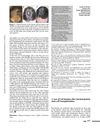
 Adjusting the medication tacrolimus resolved a boy's red nail beds after a stem cell transplant.
1 citations
,
April 2024 in “JDDG Journal der Deutschen Dermatologischen Gesellschaft” In this case report, the authors concluded that cutaneous lupus erythematosus was induced by the PD-1 inhibitor tislelizumab during treatment for metastatic lung adenocarcinoma, despite initial remission and treatment adjustments.
 5 citations
,
November 2020 in “Cells”
5 citations
,
November 2020 in “Cells” The researchers reported that using a concentrate of conditioned mesenchymal stem cells derived from the placenta accelerated wound healing and regeneration in laboratory animals with severe local radiation injuries.
3 citations
,
April 2011 in “Klinische Pädiatrie” Immunosuppression therapy with methylprednisolone effectively treats childhood alopecia areata.
 7 citations
,
June 2010 in “Journal of The American Academy of Dermatology”
7 citations
,
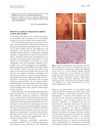
June 2010 in “Journal of The American Academy of Dermatology” This paper reports a single case of lichenoid cutaneous sarcoidosis that was unresponsive to standard treatments but showed marked improvement with the administration of oral tranilast.
July 2023 in “Anais Brasileiros de Dermatologia” In this study of 18 children with moderate to severe alopecia areata in Brazil, mesalazine treatment showed varied responses, with 14 patients completing evaluations and two not responding after six months, amidst treatment challenges like relocation and the COVID-19 pandemic.

This study observed that in a real-world clinical setting in Greece, belimumab effectively controlled disease activity in lupus patients and allowed for a reduction in glucocorticoid dosage, with more pronounced benefits seen in patients who were serologically active at the start of treatment.