 July 2023 in “International Journal of Molecular Sciences”
 This study found that N,N-dimethylglycine sodium salt promoted proliferation and migration of cultured human epidermal keratinocytes and had anti-inflammatory and antioxidant effects in vitro.
 March 2026 in “Mendeley Data”
 This tool was developed to enhance reproducibility and sensitivity in measuring partial hair regrowth in alopecia areata patients, particularly those undergoing JAK inhibitor therapy, using scalp photographs.
 27 citations
,
November 2013 in “Dermatologic Therapy”
27 citations
,
November 2013 in “Dermatologic Therapy” This study suggests that a hair follicle enzyme assay may predict response to minoxidil treatment for androgenetic alopecia with high sensitivity and specificity in a preliminary analysis.
January 2026 in “RSC Medicinal Chemistry” This study notes the ongoing challenge in developing new drugs for androgenetic alopecia, mentioning that both minoxidil and finasteride were originally intended for treating hypertension. Results are not reported.
June 2026 in “Scientific Reports” This study found that alkyl shikimates with different alkyl group structures can increase or decrease fibroblast proliferation depending on concentration and alkyl chain length, with some variants showing cytotoxic effects due to their hydrophobicity and cell membrane permeability.
91 citations
,
July 2004 in “Journal of Biological Chemistry” This study found that overexpression of the enzyme SSAT in a mouse model significantly reduced prostate tumor size and progression, suggesting it could be a promising strategy against prostate cancer.
 11 citations
,
October 2011 in “Allergologia et immunopathologia”
11 citations
,
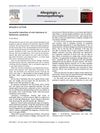
October 2011 in “Allergologia et immunopathologia” A girl with Netherton syndrome was able to eat wheat without allergies after a special treatment.
 8 citations
,
January 2013 in “Medicinal chemistry”
8 citations
,
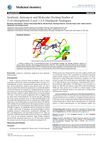
January 2013 in “Medicinal chemistry” This study reported that among 10 tested 2-(4-chlorophenyl)-5-aryl-1,3,4-oxadiazole compounds, compound 4c showed the highest activity against cancer cell lines, with a 95.37% average growth rate.
April 2023 in “Journal of Investigative Dermatology” CD206+ macrophages are crucial for hair growth in alopecia areata treatment.
March 2026 in “Chemical Engineering Journal” The hydrogel helps heal diabetic wounds by combining antibacterial, antioxidant, and immune-boosting effects.
 1 citations
,
January 2003 in “Expert Opinion on Therapeutic Patents”
1 citations
,
January 2003 in “Expert Opinion on Therapeutic Patents” This review discusses the development and potential therapeutic applications of steroid sulfatase inhibitors for hormone-dependent disorders and cognitive dysfunction, reporting no new clinical results.
 22 citations
,
January 2008 in “Physiological Research”
22 citations
,
January 2008 in “Physiological Research” This review discusses the role of steroid sulfatase in steroid hormone metabolism and highlights the need for more research on its expression and regulation, especially regarding hormone-dependent tumors.
98 citations
,
July 2006 in “Neuropsychopharmacology” 
This study found that the FER/MLO signaling module plays a crucial role in calcium oscillations and ROS production in root hair tip growth, with the MLO15 protein regulating these processes and restoring disrupted growth and signaling in fer mutant root hairs.
66 citations
,
August 2007 in “Applied and environmental microbiology” This study engineered a bioluminescent yeast strain responsive to androgenic chemicals, demonstrating rapid and sensitive detection suitable for high-throughput screening and environmental monitoring.
 31 citations
,
September 2012 in “Human Brain Mapping”
31 citations
,
September 2012 in “Human Brain Mapping” In this study, patients with seasonal affective disorder were found to have increased functional connectivity in certain brain networks and higher low-frequency fluctuations compared to healthy controls, which aligns with their attentional and psychomotor symptoms.
January 1990 in “Advances in forensic haemogenetics” This study used one-dimensional SDS electrophoresis to examine low sulfur proteins in hair samples from multiple generations within five families, but does not report new results.
6 citations
,
November 2022 in “Antioxidants” In this study, sandalore was found to activate OR2AT4, which inhibits senescent cell traits and restores proliferation in human keratinocytes, suggesting potential anti-aging applications.
 68 citations
,
September 1990 in “Biochemical Pharmacology”
68 citations
,
September 1990 in “Biochemical Pharmacology” This study found that minoxidil is bioactivated through sulfation by the phenol-sulfating form of phenol sulfotransferase in human liver.
 5 citations
,
September 2018 in “Bioscience, Biotechnology, and Biochemistry”
5 citations
,
September 2018 in “Bioscience, Biotechnology, and Biochemistry” In this study, sodium thiosulfate was observed to promote hair growth in mice by encouraging hair follicles to enter the growth phase and complementing the effects of minoxidil, suggesting potential benefits for hair loss treatment.
43 citations
,
February 1999 in “Biochemical Journal” This study found that transgenic mice overexpressing the SSAT gene under a metallothionein promoter suffered delayed hair loss and were highly sensitive to polyamine analogues, which led to significant liver changes and mortality.
124 citations
,
July 1997 in “Journal of Biological Chemistry” This study found that overexpression of an enzyme in transgenic mice led to distorted polyamine levels, resulting in permanent hair loss and female infertility.
13 citations
,
November 2005 in “Epilepsia” This study suggests that the anticonvulsant effects of deoxycorticosterone in young rats may be mediated by its metabolites and interactions with multiple receptors, including mineralocorticoid and progesterone receptors.
April 2019 in “The journal of investigative dermatology/Journal of investigative dermatology” This study suggests that stimulating olfactory receptors in human hair follicles with Sandalore® increases antimicrobial activity by upregulating dermcidin production, potentially offering a novel approach for treating hair follicle diseases with bacterial issues.
 202 citations
,
August 2017 in “Nature cell biology”
202 citations
,
August 2017 in “Nature cell biology” This study found that glycolytic metabolism and lactate production are crucial for hair follicle stem cell activation, and manipulating these processes can stimulate the hair cycle.
 3 citations
,
July 2020 in “Synthetic and Systems Biotechnology”
3 citations
,
July 2020 in “Synthetic and Systems Biotechnology” This study found that the cytochrome P450 enzyme CYP-sb21 can hydroxylate cyclosporine A at multiple positions, reducing its immunosuppressive effects but retaining its hair growth-promoting side-effect, and suggests modifications to improve regioselectivity for commercial use.
 83 citations
,
July 2008 in “Current Opinion in Chemical Biology”
83 citations
,
July 2008 in “Current Opinion in Chemical Biology” This review discusses the structural and functional advances in understanding sulfotransferases and sulfatases, highlighting new insights into enzyme mechanisms and inactivation by clinically relevant aryl sulfamates, but provides no new experimental results.
37 citations
,
January 2006 in “Carcinogenesis” In this study, crossing mice overexpressing antizyme with MEK mutants significantly delayed tumor development and reduced tumor frequency, likely by slowing cell growth in skin tumors.
July 2023 in “Media Dermato Venereologica Indonesiana” In this study, researchers highlighted that in sarcoidosis, macrophages in granulomas can produce vitamin D, potentially leading to calcium imbalances, where vitamin D supplementation may cause hypercalcemia, necessitating careful laboratory assessment before supplementation.
21 citations
,
December 2014 in “Clinics in dermatology” This review discusses squaric acid dibutylester's use, effects, and safety in treating alopecia areata, but reports no new clinical results.