1 citations
,
April 2023 in “Indian Journal of Dermatology Venereology and Leprology” This case report describes a young adult with primary follicular mucinosis, successfully treated with topical tacrolimus, resulting in resolution without sequelae.
 1 citations
,
May 2023 in “AYUSHDHARA”
1 citations
,
May 2023 in “AYUSHDHARA” This study explores the Ayurvedic concept of Akala Palitya, or premature greying, noting that its incidence is rising due to modern lifestyle changes and environmental factors, particularly in tropical and developing countries.
This study presents a rare instance of Netherton syndrome diagnosed incidentally in siblings of consanguineous parents, initially misdiagnosed as other skin conditions, emphasizing the need for careful evaluation in chronic skin cases to prevent misdiagnosis.
 June 2022 in “Asian Pacific journal of health sciences”
 This study reports a case of Indralupta (Alopecia Areata) successfully treated using Ayurvedic methods including Prachhan karma, Lepa, and Shirodhara, offering an alternative to conventional treatments like minoxidil and steroids, which may have adverse effects.
 August 2022 in “International Journal of Current Science Research and Review”
 This review discusses Ayurvedic detoxification methods for poisonous plants, known as Visha Dravyas, and reports no new clinical results.
 November 2025 in “International Journal For Multidisciplinary Research”
 This study focused on treating 'Indralupta' or alopecia areata using Ayurvedic methods such as Prachanna Karma, finding it promising for improving perifollicular vascularization and addressing hair loss attributed to vitiated Rakta as defined by traditional texts.
8 citations
,
September 2023 in “International Journal of Nanomedicine” In this study, researchers developed an in vitro airway-organoid model using human lung-derived cell lines on RADA16-I hydrogels to serve as a potential tool for studying adenovirus isolation, pathogenesis, and antiviral drug screening.
 April 2026 in “Zenodo (CERN European Organization for Nuclear Research)”
 In this case study, a female patient with alopecia areata experienced significant symptom reduction following Ayurvedic treatment, including Nasya and Pracchanna karma, suggesting potential benefits of Ayurveda for autoimmune hair disorders.
 April 2016 in “Journal of Investigative Dermatology”
 This study found that administering botulinum toxin A via Flex-PADs to mouse footpads inhibited sweating similarly to traditional injections, suggesting a promising patient-friendly delivery method for hyperhidrosis treatment.
37 citations
,
September 2010 in “Journal of Hospital Infection” Hair follicles in the nose may need better cleaning to prevent Staphylococcus aureus infections.
 March 2019 in “Zenodo (CERN European Organization for Nuclear Research)”
 In this study, researchers applied Yashtimadhwadi tail using shirodhara and Nasya karma treatments on sixty patients experiencing hair fall, finding that both methods produced excellent results in reducing symptoms such as hair fall, roughness, and dandruff.
2 citations
,
January 2023 in “Brazilian Journal of Development” This report describes a Sapajus nigritus investigated for multiparasitism after rescue from illegal home possession, highlighting public health and biodiversity conservation concerns related to human-primate proximity.
June 2023 in “Lithuanian University of Health Sciences”  July 2026 in “Journal of Indian System of Medicine”
 In this case study, a 20-year-old male with alopecia areata achieved successful hair regrowth across all patches and experienced no recurrence after Ayurvedic treatment, which included interventions such as Shodhana, Shamana, and Pracchanna Karma.
 September 2025 in “International Journal of Advanced Academic Studies”
 This review examines Ayurvedic and modern literature on combining Anu Taila Nasya and Gokshura lepa for hair loss and presents no new clinical results.
 11 citations
,
October 2011 in “Allergologia et immunopathologia”
11 citations
,
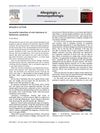
October 2011 in “Allergologia et immunopathologia” A girl with Netherton syndrome was able to eat wheat without allergies after a special treatment.
 April 2017 in “IOSR journal of dental and medical sciences”
 This abstract discusses Netherton Syndrome, a genetic disorder with a characteristic triad of symptoms caused by SPINK5 gene mutation, and reports no new clinical findings or treatment advances.
This case study reported that Ayurvedic treatment using Pracchana and Bibhitaki Lepa significantly improved symptoms of alopecia areata in a 41-year-old woman, reducing patch size and hair fall.
January 2022 in “Faculty of 1000 Research Ltd” This study found that many participants in India lacked adequate awareness and practices for essential measures in managing COVID-19 at home, highlighting a need for targeted training programs.
1 citations
,
March 2025 in “Journal of Drug Delivery and Therapeutics” This review found that Seenthil Chooranam, a traditional Siddha formulation, has potential therapeutic benefits for various diseases due to its pharmacological properties and bioactive compounds, though further research is needed to confirm its safety and clinical effectiveness.
 5 citations
,
November 2024 in “Journal of Clinical Immunology”
5 citations
,
November 2024 in “Journal of Clinical Immunology” This study reports that a 9-week-old infant with Netherton syndrome showed rapid and sustained symptom improvement, including skin microbiome normalization and developmental progress, after off-label dupilumab treatment, without adverse reactions.
 9 citations
,
March 2024 in “Journal of Biomaterials Applications”
9 citations
,
March 2024 in “Journal of Biomaterials Applications” This study developed dissolving microneedles using specific polymers for transdermal delivery of rizatriptan benzoate, demonstrating improved drug skin penetration and significant alleviation of migraine symptoms in vivo compared to passive diffusion, suggesting potential advantages over conventional treatment methods for acute migraine.
June 2026 in “Journal of Investigative Dermatology” Aging weakens sweat glands due to reduced support from immune cells, but treatments may help restore function.
 February 2026 in “International Journal of Science and Research (IJSR)”
 This case report describes an 18-year-old female with alopecia areata who experienced hair regrowth within seven days following Prachana Vidhi treatment in an Ayurvedic setting, suggesting this approach may offer effective results for patchy hair loss.
32 citations
,
January 1971 in “Annals of Internal Medicine” This study observed that severe bronchitis may occur in individuals with anhidrotic ectodermal dysplasia when exposed to a dusty environment, potentially due to abnormalities in the bronchial mucosa.
January 2026 in “International journal of Indian medicine” This case study reports significant hair regrowth in a patient with alopecia areata using Ayurvedic treatments, which included Nasya with Bindu Taila, Pracchan Karma, and topical therapies with castor leaves and buffalo butter, without causing adverse effects.
4 citations
,
March 1999 in “International Journal of STD & AIDS” This report details a case of severe recurrent bacterial vaginosis in a woman with Netherton's syndrome.
This review discusses advances in understanding tickling sensations and proposes that knismesis hypersensitivity in autism spectrum disorder may be due to impaired sensory integration.
23 citations
,
October 2021 in “AAPS PharmSciTech”  January 2026 in “AYUSHDHARA”
 This study compared two Ayurvedic treatments for alopecia and found that applying Chirabilwa Lepa after Prachanna led to significantly better improvement in hair regrowth than using Gunja Lepa after Prachanna among the 60 patients studied.