 5 citations
,
September 2012 in “The Journal of Urology”
5 citations
,
September 2012 in “The Journal of Urology” This article discusses androgenetic alopecia as a potential early marker for benign prostatic hyperplasia but reports no new clinical findings.
 1 citations
,
January 2021 in “Arthritis Research & Therapy”
1 citations
,
January 2021 in “Arthritis Research & Therapy” The study reported a 7.80% prevalence of scarring alopecia in Chinese SLE patients and identified several risk factors, including mucocutaneous lesions and high disease activity, while renal and cardio-respiratory involvements were negatively associated with it.
 1 citations
,
January 2013 in “Chronicles of young scientists”
1 citations
,
January 2013 in “Chronicles of young scientists” This article discusses the characteristics of human hair, its damaging processes, and the potential repair effects of immuno-cosmeceuticals, but it reports no new clinical results.
 January 2026 in “Inflammation and Regeneration”
 This review highlights that two-photon excitation microscopy is a valuable tool for visualizing live skin structures and immune responses at high resolution, though its clinical use is hindered by safety and cost issues.
 May 2018 in “White Rose eTheses Online (University of Leeds, The University of Sheffield, University of York)”
 In this study, researchers found that alopecia areata patients show a significant reduction in suppressive regulatory T-cells and an increase in inflammatory T-cell populations, suggesting an immunological imbalance contributing to the disease.
 24 citations
,
January 2008 in “KARGER eBooks”
24 citations
,
January 2008 in “KARGER eBooks” This review discusses recent advances in understanding the pathogenesis of autoimmune alopecia areata and reports no new clinical results; it highlights potential for developing more effective treatments.
3 citations
,
July 2023 in “Biomolecules” This study reports that some human cell surface HLA-I molecules (including HLA-B27) can appear without their usual peptide component, potentially altering immune interactions, influencing arthritis development in specific mice models, and exhibiting upregulation in certain cancer cells.
 52 citations
,
March 2010 in “British Journal of Dermatology”
52 citations
,
March 2010 in “British Journal of Dermatology” This study demonstrated the expression of type 1 interferon-related proteins in inflammatory lesions of alopecia areata, showing a distinct distribution pattern compared to cicatricial alopecia.
 49 citations
,
April 2000 in “Journal of The American Academy of Dermatology”
49 citations
,
April 2000 in “Journal of The American Academy of Dermatology” This article discusses the etiology, clinical features, diagnosis, histopathology, and treatment of alopecia areata but reports no new clinical findings; it emphasizes the palliative nature of current treatments.
January 2018 in “Journal of Investigative Dermatology” This quiz article provides a series of dermatological diagnosis questions based on a Journal of Investigative Dermatology article and includes explanations but reports no original research findings.
8 citations
,
January 2014 in “PubMed” This study demonstrated that dermal papilla cells were more efficiently reprogrammed into induced pluripotent stem cells than dermal fibroblasts, suggesting their potential as a source for iPS cells.
 1 citations
,
June 2023 in “JAAD case reports”
1 citations
,
June 2023 in “JAAD case reports” This study reviews potential immune targets within hair follicles in alopecia areata, suggesting they may be associated with keratinocytes or melanocytes, and notes possible induction triggers like viruses and infections.
143 citations
,
January 2007 in “The American Journal of Human Genetics” This study identified four genetic loci on chromosomes 6, 10, 16, and 18 that may contribute to susceptibility for alopecia areata and suggested shared genetic factors with psoriasis.
52 citations
,
July 1998 in “Urology” This study found that liarozole is more effective than cyproterone acetate for improving PSA response and survival in metastatic prostate cancer after first-line endocrine therapy, while maintaining quality of life.
 9 citations
,
February 2022 in “Biomolecules”
9 citations
,
February 2022 in “Biomolecules” This review concludes that while many epidemiological studies suggest high alcohol intake is associated with an increased risk of prostate cancer, the evidence may be affected by confounding factors such as diet and lifestyle.
3 citations
,
June 2020 in “Frontiers in Immunology” This mouse study found that offspring of parents with uveitis showed increased susceptibility to experimental autoimmune uveitis, potentially due to altered immune and cellular processes.
 January 2025 in “HORMONES”
 This systematic review reported positive outcomes with gender-affirming hormone therapy in Canada and emphasized the urgent need for standardized outcome measurement tools to enhance evidence-based practices.
 November 2024 in “Communities in ADDI (University of the Basque Country)”
 Antisense oligonucleotides show promise for treating Myotonic Dystrophy type I.
April 2024 in “International journal of molecular sciences” This source reports that for treating keloids and hypertrophic scars, combination pharmacotherapy targeting multiple sites is generally more effective than using a single drug, though outcomes of individual therapies vary and the development of satisfying treatments is ongoing.
66 citations
,
July 2010 in “Journal of Proteome Research” This study suggests that an immune response to trichohyalin and keratin 16 may contribute to the pathogenesis of alopecia areata.
46 citations
,
January 2005 in “PubMed” This paper discusses risk factors and prevention strategies for acute urinary retention secondary to benign prostatic hyperplasia, emphasizing the role of PSA levels and the benefits of medications like finasteride and alpha-blockers, but reports no new clinical results.
 June 2008 in “British Journal of Dermatology”
 Herpes gestationis is linked to certain antigens, atopic eczema affects T cell populations and may be eased by breastfeeding, higher doses of anti-androgen treatment can improve androgenic alopecia, topical minoxidil increases hair thickness, long-term methotrexate therapy can cause liver fibrosis in psoriasis patients, and Lichen Sclerosus et Atrophicus patients aren't at higher risk for autoimmune disorders.
 April 2008 in “Companion Animal”
 This article is a self-assessment by Rosa Angela Ragni and Kenneth Smith, reporting no new results.
 July 2016 in “Experimental Dermatology”
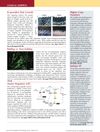
 This article provides clinical snippets from Experimental Dermatology and reports no new research findings.
 July 2016 in “Journal of Investigative Dermatology”
 R-spondin2 may help treat hair loss, gene differences could explain baldness, a peptide's regulation is linked to psoriasis, B-defensin gene copies may affect a skin condition's risk and severity, and potential markers and targets for alopecia areata were identified.
 January 2023 in “Karger Kompass. Dermatologie”
 This review discusses the complexity of identifying hair follicle antigens involved in alopecia areata and reports no new clinical results, emphasizing the need for further research on autoantigen identity.
 February 2007 in “Lancet Oncology”
 This article discusses the implications of finasteride on serum PSA levels and questions the routine recommendation for prostate biopsy at specific PSA thresholds, urging reevaluation of prostate cancer detection methods; it reports no clinical results.
1 citations
,
January 2025 in “Medicine” This mini-review details how the SOX family of transcription factors contributes to cancer immune evasion by affecting antigen presentation, impacting the tumor's immunosuppressive environment, and regulating immune checkpoints, offering insights for developing novel immunotherapy strategies.
 228 citations
,
February 2003 in “Urology”
228 citations
,
February 2003 in “Urology” This article discusses the side effects of androgen deprivation therapy for nonmetastatic prostate cancer, highlighting the need for clinical trials to systematically study these effects.
37 citations
,
July 2002 in “Archives of Pathology & Laboratory Medicine” The authors concluded that antibodies against tyrosinase and gp100 may be effective in diagnosing melanoma, including challenging variants like amelanotic and desmoplastic types, when appropriate antigen retrieval techniques are used.