 27 citations
,
November 2020 in “International Journal of Dermatology”
27 citations
,
November 2020 in “International Journal of Dermatology” This review examined dermatologic symptoms associated with COVID-19 in 2,560 patients, with chilblains/pernio-like lesions being the most common, suggesting these symptoms may aid in early identification of cases.
 27 citations
,
April 2005 in “Journal of Chemotherapy”
27 citations
,
April 2005 in “Journal of Chemotherapy” This study reported two cases of alopecia universalis triggered by PEG-interferon and ribavirin therapy for chronic hepatitis C, with hair regrowth observed after therapy completion or withdrawal.
 21 citations
,
January 2006 in “Pediatrics”
21 citations
,
January 2006 in “Pediatrics” This review discusses how certain genetic, infectious, and metabolic conditions might influence disease severity and highlights the potential for new therapies, but it presents no new research findings.
 20 citations
,
September 2020 in “Journal of Translational Medicine”
20 citations
,
September 2020 in “Journal of Translational Medicine” This overview highlights the exploration of mesenchymal stromal cells as potential treatments for COVID-19, noting their regenerative and immunomodulatory properties for reducing ARDS severity in critically ill patients, but it provides no new clinical results.
 17 citations
,
June 2020 in “British Journal of Dermatology”
17 citations
,
June 2020 in “British Journal of Dermatology” This study observed that oral mTOR inhibitors frequently cause dermatological side effects, such as mouth ulcers and acneiform eruptions, but these rarely require stopping the treatment.
 13 citations
,
June 2013 in “Actas Dermo-Sifiliográficas”
13 citations
,
June 2013 in “Actas Dermo-Sifiliográficas” This review details five cases of syphilitic alopecia, an uncommon symptom in syphilis affecting mainly men, emphasizing that dermatologists should be vigilant as it can appear as the sole symptom.
 11 citations
,
July 2014 in “Gene”
11 citations
,
July 2014 in “Gene” This study reports a unique case of common variable immunodeficiency with autoimmunity linked to a heterozygous S250C variant in the autoimmune regulator gene, suggesting a potential molecular basis for this combination.
 1 citations
,
November 2025 in “Wiener Medizinische Wochenschrift”
1 citations
,
November 2025 in “Wiener Medizinische Wochenschrift” This study reports a case of fatal HHV-6 encephalitis and vasculitis in a previously healthy 49-year-old male, highlighting the occurrence of this condition even in individuals without typical risk factors, such as immunocompromised status.
 1 citations
,
March 2025 in “Acta fytotechnica et zootechnica/Acta fytotechnica et zootechnica”
1 citations
,
March 2025 in “Acta fytotechnica et zootechnica/Acta fytotechnica et zootechnica” This study evaluated quercetin's potential as a treatment for cats with Feline Atopic Skin Syndrome, finding it significantly reduced clinical scores in certain symptom groups like Head-and-Neck Pruritus and Miliary Dermatitis, although improvements in oxidative stress markers were not clearly significant.
 1 citations
,
October 2023 in “Romanian Journal of Morphology and Embryology”
1 citations
,
October 2023 in “Romanian Journal of Morphology and Embryology” This review analyzed 109 articles to classify skin lesions associated with COVID-19 and their frequency during the disease, but found no conclusive evidence on long-term persistence of specific types due to rarity.
 1 citations
,
December 2020 in “Journal of Experimental Biology and Agricultural Sciences”
1 citations
,
December 2020 in “Journal of Experimental Biology and Agricultural Sciences” This article reviews the structure, genomic organization, and pathogenesis of SARS-CoV-2 and discusses current efforts in prevention and treatments for COVID-19 without reporting new clinical results.
 1 citations
,
May 2002 in “British Journal of Dermatology”
1 citations
,
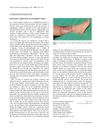
May 2002 in “British Journal of Dermatology” This article provides an overview of hair density, hair diameter, and the prevalence of female pattern hair loss but reports no new clinical findings.
 February 2026 in “Frontiers in Endocrinology”
 In this case study, a woman with congenital adrenal hyperplasia experienced substantial improvement in musculoskeletal and neurobehavioral symptoms after low-dose testosterone therapy, highlighting its potential role in managing chronic glucocorticoid overtreatment effects.
 January 2026 in “Dermatology Review”
 In this study, the authors highlighted that celiac disease can have various skin manifestations such as dermatitis herpetiformis and psoriasis, which may precede or occur without digestive symptoms, stressing the importance of screening in patients with unexplained dermatoses.
 July 2025 in “Dermatology and Therapy”
 This study found that patients with alopecia areata showing low treatment burden responded better to baricitinib compared to those with higher previous systemic treatment exposure.
 June 2025 in “International Journal of Nephrology and Renovascular Disease”
 This study suggests that PLA2R1 overexpression in PMN affects the podocyte cycle and may involve an additional immune response, which could provide new directions for PMN treatment development.
 November 2024 in “Malaysian Journal of Microbiology”
 In this study, researchers found varying levels of multiple autoantibody types among thyroid disorder patients, with 84.84% of those with immunological hypothyroidism reporting symptoms like weight gain and lethargy, whereas 81.81% of those with immune hyperthyroidism experienced hair loss.
 October 2024 in “South Eastern European Journal of Public Health”
 This study on women aged 18–40 with polycystic ovary syndrome reported that a three-month treatment involving dietary changes, oral contraceptives, fertility drugs, and supplements significantly improved ovulation, menstrual regularity, BMI, and reduced hirsutism, acne, and certain immune factors compared to pre-treatment and control groups.

This study suggests that the EULAR/ACR classification criteria for SLE may help predict organ damage, particularly in renal, cardiovascular, dermatological, and gonadal domains.
 September 2020 in “Annals of the National Academy of Medical Sciences. India”
 This article discusses the impact of COVID-19 on skin health, highlighting various cutaneous manifestations and the need for dermatologists to adapt their practices during the pandemic, but it reports no new results.
 January 2019 in “Advances in Environmental Biology”
 This article discusses the structure and function of sebaceous glands and their role in skin moisture but reports no new research findings.
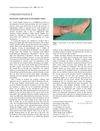 May 2002 in “British Journal of Dermatology”
 A pregnant woman's skin condition improved after giving birth, possibly due to high estrogen levels during pregnancy.
 May 2002 in “British Journal of Dermatology”
 This brief article is a response from the authors about hair density, hair diameter, and female pattern hair loss, and it reports no new clinical findings.
January 2018 in “Florence Research (University of Florence)” This study identified significant differences in the fungal gut microbiota between melanoma and vitiligo patients compared to healthy controls and observed varying bacterial abundances associated with melanoma histopathology and vitiligo clinical parameters.
 June 2025 in “Frontiers in Immunology”
 This study reported that anti-Ku-positive patients exhibited heterogeneous muscular features, primarily characterized by necrotizing fibers and vacuolar changes, and suggested that autophagy could be a significant mechanism involved in the pathogenesis.
June 2022 in “Annals of Indian Academy of Neurology” This case report describes a rare association where herpes zoster infection may have triggered the first attack of NMOSD with systemic vasculitis in a patient, suggesting potential overlaps in immunopathogenesis.
36 citations
,
May 2020 in “Journal of the European Academy of Dermatology and Venereology” Dermatologists should watch for skin symptoms in COVID-19 patients, prioritize urgent cases, and use telemedicine.
55 citations
,
April 2022 in “Frontiers in Immunology” This review examines the role of cholesterol metabolism in coronavirus infections, discussing its potential as a target for antiviral strategies and a marker for monitoring infection status, but presents no new results.
50 citations
,
September 2023 in “Biomarker Research” This review focuses on S100A6, a Ca²⁺-binding protein, detailing its role in cell functions, the regulation of its expression, and its potential as a biomarker and therapeutic target in various diseases.
2 citations
,
September 2025 in “Frontiers in Endocrinology” This review critically evaluates the evidence for SARMs' tissue selectivity and suggests their clinical benefits over traditional androgens are not yet well-supported by robust evidence, underscoring the need for further head-to-head trials.