 12 citations
,
March 2019 in “Journal of Cosmetic Dermatology”
12 citations
,
March 2019 in “Journal of Cosmetic Dermatology” This study found that platelet-rich plasma may effectively increase hair follicle numbers in men with androgenetic alopecia, but changes in hair thickness plateaued after the second injection.
 4 citations
,
December 2020 in “Neuropsychiatric Disease and Treatment”
4 citations
,
December 2020 in “Neuropsychiatric Disease and Treatment” In this study, body dysmorphic disorder symptoms in dermatological patients were strongly linked to psychiatric issues and reduced quality of life, particularly among those with unclassified dermatoses.
1 citations
,
April 2025 in “Skin Health and Disease” This study is collecting real-world data to evaluate abrocitinib and conventional systemic treatments in moderate-to-severe atopic dermatitis across five European registers over a three-year period.
January 2025 in “Open Medicine” This review discusses the connection between acne and metabolic syndrome, noting shared pathogenic mechanisms and suggesting integrated management strategies without presenting new clinical results.
 October 2024 in “International Journal of Research in Orthopaedics”
 This study found that adolescents carrying the HLA-B27 antigen who engaged in intense physical activity were more likely to develop ankylosing spondylitis, although not all predisposed individuals were affected, indicating other genetic and environmental factors might also play a role.
 June 2008 in “The Open Dermatology Journal”
 This paper discusses various hair diseases and provides sample patient instruction sheets, offering a template for physicians to potentially integrate into their practice, but reports no new clinical results.
 83 citations
,
January 2015 in “World Journal of Stem Cells”
83 citations
,
January 2015 in “World Journal of Stem Cells” This review discusses current experimental approaches for regenerating human hair follicles using tissue engineering and isolated cells, but reports no successful strategies with adult cells yet found.
 24 citations
,
January 2012 in “Journal of Cellular Biochemistry”
24 citations
,
January 2012 in “Journal of Cellular Biochemistry” This study found that C-reactive protein may enhance monocyte adhesion to endothelial cells through NOX-mediated oxidative stress, suggesting a potential mechanism for atherogenesis.
 22 citations
,
September 2004 in “Journal of The European Academy of Dermatology and Venereology”
22 citations
,
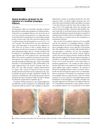
September 2004 in “Journal of The European Academy of Dermatology and Venereology” Bimatoprost can cause longer, thicker, darker eyelashes and eyebrows.
 9 citations
,
June 2000 in “Journal of The American Academy of Dermatology”
9 citations
,
June 2000 in “Journal of The American Academy of Dermatology” This study reported that heterozygous carriers of a mutation in the human hairless gene did not differ from healthy homozygotes in the pattern of androgenetic alopecia.
 2 citations
,
June 2000 in “Journal of The American Academy of Dermatology”
2 citations
,
June 2000 in “Journal of The American Academy of Dermatology” In this study, researchers found that heterozygous carriers of a mutation in the hairless gene showed no difference in the pattern of androgenetic alopecia compared to unaffected individuals.
 1 citations
,
February 1999 in “Journal of Paediatrics and Child Health”
1 citations
,
February 1999 in “Journal of Paediatrics and Child Health” This book review, published in the Journal of Paediatrics and Child Health, provides no new research findings.
 November 2025 in “Cureus”
 This review discusses the link between PCOS and acne, highlighting the roles of hyperandrogenism and insulin resistance, but it reports no new clinical findings.
 August 2013 in “Facial Plastic Surgery Clinics of North America”
 Hair restoration techniques and new cell sources improve hair loss treatments.
 138 citations
,
July 2015 in “Clinical, Cosmetic and Investigational Dermatology”
138 citations
,
July 2015 in “Clinical, Cosmetic and Investigational Dermatology” This review discusses how Western diet may contribute to acne vulgaris through insulin signaling and metabolomic changes, promoting a dietary approach for management, but reports no new experimental results.
 63 citations
,
May 2017 in “American Journal of Clinical Dermatology”
63 citations
,
May 2017 in “American Journal of Clinical Dermatology” This review found that patients with alopecia areata may have lower levels of vitamin D, zinc, and folate, but conflicting evidence precludes definitive clinical recommendations for micronutrient supplementation.
 29 citations
,
January 2011 in “Journal of Obstetrics and Gynaecology”
29 citations
,
January 2011 in “Journal of Obstetrics and Gynaecology” This review discusses insulin resistance in women with polycystic ovary syndrome and reports no new clinical results; it highlights the potential benefits of lifestyle changes and insulin-sensitizing drugs.
6 citations
,
September 2023 in “International journal of molecular sciences” This review explores the connection between oxidative stress and polycystic ovary syndrome, discussing potential mechanisms and the possible role of antioxidants; it reports no new clinical results.
2 citations
,
February 2024 in “International journal of molecular sciences” This review explores the connection between the gut-skin axis and the development of dermatological conditions like atopic dermatitis, psoriasis, alopecia areata, and acne, and discusses the potential of probiotics in reshaping the microbiome to alleviate these skin issues.
This study found that αvβ6 integrin inhibits keratinocyte proliferation during wound healing and hair regeneration, suggesting its downregulation may enhance recovery and influence epidermal stem cell behavior.
323 citations
,
April 2006 in “The journal of investigative dermatology/Journal of investigative dermatology” This study found that 40 nm nanoparticles can effectively penetrate into hair follicles and epidermal Langerhans cells in human skin samples, potentially enabling efficient transcutaneous vaccine delivery.
 76 citations
,
November 2009 in “Medical Clinics of North America”
76 citations
,
November 2009 in “Medical Clinics of North America” This article reviews the hormonal and medication-related factors associated with acne development but does not present new research findings.
 71 citations
,
January 2015 in “The Scientific World Journal”
71 citations
,
January 2015 in “The Scientific World Journal” This review discusses the link between insulin resistance and skin conditions such as acanthosis nigricans and psoriasis, but provides no new clinical results.
 21 citations
,
October 2018 in “European Journal of Pharmacology”
21 citations
,
October 2018 in “European Journal of Pharmacology” This review discusses the mechanisms underlying chemotherapy-induced neuroinflammation and reports no new clinical results, emphasizing the need for a better understanding to improve management of chemotherapy side effects.
3 citations
,
May 2024 in “International Journal of Women’s Dermatology” This article discusses the connection between product use, contact dermatitis, and frontal fibrosing alopecia and reports no new findings; the authors emphasize the need for more research to improve patient outcomes.
 January 2026 in “Dermatology and Therapy”
 This review explores the potential connection between GA and various types of alopecia but reports no new clinical findings, emphasizing the need for further research.
 March 2021 in “Actas Dermo-Sifiliográficas”
 This review discusses the scalp microbiome's unique features and its potential role in hair disorders, suggesting that microbiome-targeted treatments could offer new therapeutic options, though no clinical results are reported.
 139 citations
,
December 2020 in “Cell Stem Cell”
139 citations
,
December 2020 in “Cell Stem Cell” Male hormones affect COVID-19 severity and certain drugs targeting these hormones could help reduce the risk.
9 citations
,
December 2023 in “BMC Genomics” This study examined noninvasive tissue samples, including buccal swabs, hair follicles, saliva, and urine cell pellets, and found hair follicles and urine cell pellets promising for transcriptomic and clinical analyses due to their sample quality and performance in disease-relevant applications.
2 citations
,
December 2022 in “International journal of molecular sciences” This study compared RNA-seq results from horse plucked-hair and skin-biopsy samples, finding that plucked hairs were enriched with hair-follicle keratinocytes, while biopsies showed enrichment for other cell types.