 7 citations
,
July 1975 in “Acta dermato-venereologica”
7 citations
,
July 1975 in “Acta dermato-venereologica” This case study reports a patient with Rothmund-Thomson type congenital poikiloderma, showing primarily skin changes and hair loss, along with slightly elevated lysine and cystine levels in urine.
2 citations
,
January 2024 in “Revista Paulista de Pediatria” In this case report, researchers described a 6-year-old girl with severe mandibuloacral dysplasia type A, noting unique physical deformities and a rare homozygous LMNA gene mutation not commonly associated with the condition.
3 citations
,
February 2018 in “Experimental and Molecular Medicine/Experimental and molecular medicine” This study suggests that hair loss disorders like Marie Unna hereditary hypotrichosis may result from mutations that disrupt post-transcriptional regulation of HR protein expression by PCPB2 interacting with Hr mRNA.
7 citations
,
August 2008 in “Immunogenetics” A gene mutation in mice causes increased mast cells and disorganized hair follicles in their skin.
26 citations
,
October 1998 in “Experimental Dermatology” This study describes a co-dominant E410D mutation in keratin hHb6 associated with severe hair loss and extensive papules in homozygous individuals, with variable expression in heterozygous family members.
5 citations
,
March 2013 in “BMJ case reports” This case report suggests that Roux-en-Y gastric bypass may improve symptoms of non-classic adrenal hyperplasia related to 11-hydroxylase deficiency by reducing insulin resistance.
 September 2022 in “Annals of medicine and surgery”
 This case report discusses the diagnostic challenges and management options for three siblings with 46, XY DSD due to type 2 5-α reductase deficiency, highlighting the genetic basis and impact on their quality of life.
2 citations
,
November 1996 in “Transplantation” This study found that intrathymic injection of recipient-type splenocytes into donor rats, combined with antilymphocyte antiserum, effectively prevented graft-versus-host disease for up to 300 days.
This study identified novel mutations associated with ectodermal dysplasias in Pakistani families, including a missense mutation in the KRTHB5 gene linked to pure hair-nail ectodermal dysplasias and mutations in the EDAR gene related to hypohidrotic ectodermal dysplasia.
512 citations
,
February 2008 in “Science” In this study, researchers found that a positive feedback loop involving Ca 2+ and RHD2 NADPH oxidase-derived ROS helps maintain growth sites, crucial for root hair development and cell shape in Arabidopsis thaliana.
166 citations
,
July 1999 in “American Journal Of Pathology” This study found that the loss of a functional hr gene in mice leads to premature and abnormal hair follicle regression, disrupting normal hair cycling and architecture.
 5 citations
,
September 2013 in “The Journal of Dermatology”
5 citations
,
September 2013 in “The Journal of Dermatology” Researchers found a new mutation in the HR gene causing hair loss and skin bumps in a Pakistani family.
20 citations
,
January 2002 in “Laboratory Animals” This study identified a compound heterozygous mutation in a hairless rhesus macaque, which was associated with skin abnormalities similar to those in hairless mice and humans with APL.
2 citations
,
April 2008 in “PubMed” This study identified the c.1204G to A (p.E402K) mutation in the hHB6 gene as a cause of monilethrix in a Chinese family, highlighting the gene's role in the condition.
109 citations
,
June 2011 in “Molecular and Cellular Endocrinology” Vitamin D receptor mutations can cause alopecia by affecting hair growth genes.
December 2024 in “CONICET Digital (CONICET)” This study found that the small signaling peptide RALF22 plays a key role in root hair growth response to volatile compounds emitted by Penicillium aurantiogriseum through ethylene, auxin, and photosynthesis signaling in Arabidopsis.
October 2024 in “Developmental Dynamics” This paper highlights advances in Developmental Dynamics, noting how epoa-deficient zebrafish can model Diamond-Blackfan anemia like disorders for drug screening, Alx4 mouse models offer insights into craniofacial development, and mTORC1 signaling is crucial for retinal development.
18 citations
,
November 2009 in “Calcified tissue international” A genetic mutation caused severe rickets and alopecia in an Indian patient, but high-dose calcium and phosphate treatment improved their condition.
November 2020 in “Journal of the American Academy of Dermatology” Intense pulsed light with radiofrequency showed mixed results in improving quality of life for hidradenitis suppurativa patients, with no clinical improvements.
7 citations
,
April 2004 in “International Journal of Dermatology” This report describes a case of epidermolytic hyperkeratosis in a newborn and her mother, both possessing a specific KRT1 gene mutation known to cause this skin disorder.
June 2026 in “British Journal of Dermatology” This study evaluated the real-world use of ritlecitinib for severe alopecia areata in the UK, reporting that 37% of patients achieved significant hair regrowth by week 36, with no serious adverse effects noted, although response varied with disease duration.
March 2008 in “Faculty Opinions – Post-Publication Peer Review of the Biomedical Literature” This study found that a positive feedback loop involving RHD2, reactive oxygen species, and calcium ions helps maintain root hair growth sites and influences cell shape in Arabidopsis thaliana.
 May 2021 in “Journal of Advances in Internal Medicine”
 This case report describes a 13-year-old with DSD raised as female, exhibiting hoarseness and clitoral enlargement, with hormonal assessments not indicating common related deficiencies.
 November 2024 in “SKIN The Journal of Cutaneous Medicine”
 This study reports that ritlecitinib was prescribed to a diverse group of patients, including adolescents and adults with and without prior treatment for Alopecia Areata, in the first three months after FDA approval, potentially expanding care options for this condition.
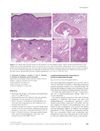 1 citations
,
February 2009 in “Clinical and Experimental Dermatology”
1 citations
,
February 2009 in “Clinical and Experimental Dermatology” This study reports an improvement in lymphomatoid papulosis type A in a 52-year-old patient who concurrently used hormone-replacement therapy.
November 2025 in “Journal of Investigative Dermatology” Certain immune cells in atopic dermatitis skin could be targeted for treatment.
 2 citations
,
November 2015 in “Journal of Investigative Dermatology”
2 citations
,
November 2015 in “Journal of Investigative Dermatology” This study found that RANKL signaling enhances CD8+ T cell-mediated anti-viral immunity during herpes simplex virus infection by preventing apoptosis of Langerhans cells, suggesting potential therapeutic applications.
22 citations
,
November 2016 in “International journal of molecular sciences” This study suggests that impaired VDR signaling in mice leads to dysregulated Ddit4 expression, impacting hair cycle progression and wound healing.
1 citations
,
October 2024 in “JCEM Case Reports” In this case report, a patient with pseudovaginal perineoscrotal hypospadias due to 5α-reductase deficiency presented gender dysphoria, and after genomic sequencing confirmation, injectable testosterone undecanoate treatment successfully developed desired male secondary sexual characteristics.
 8 citations
,
August 2009 in “Pediatric transplantation”
8 citations
,
August 2009 in “Pediatric transplantation” This report presents a case where a patient with Omenn syndrome, complicated by cytomegalovirus infection, was successfully treated using reduced intensity conditioning allogeneic HSCT from a sibling donor.