12 citations
,
June 2025 in “Gut Microbes” This study developed BroadAMP-GPT, a computational-experimental framework, to discover new antimicrobial peptides, identifying candidates effective against multidrug-resistant pathogens. Notably, AMP_S13 showed strong stability, low toxicity, and efficacy in infection models, highlighting the platform's potential in combating antimicrobial resistance.
 September 2025 in “Wound Repair and Regeneration”
 This review suggests that glucagon-like peptide 1 receptor agonists may play a potentially protective role in managing diabetic foot ulcers, particularly by addressing various underlying pathophysiological aspects.
 January 2024 in “Dermatology practical & conceptual”
 In this study, researchers found that the peripilar sign in patients with androgenetic alopecia does not indicate perifollicular infiltrate but is more frequent in individuals with lighter skin types due to contrast with the skin.
January 1995 in “Journal of the Society of Cosmetic Chemists” This study found no conclusive evidence of biocatalytic activity of guinea pig liver transglutaminase with virgin human hair, potentially due to a fatty acid layer on the hair surface.
 1 citations
,
September 2025 in “Cureus”
1 citations
,
September 2025 in “Cureus” In this study, the ChatGPT-5 model accurately answered 76.47% of questions on the Polish endocrinology specialty exam, surpassing the 60% passing threshold, yet its role in clinical decision-making remains uncertain, highlighting the need for further research.
 11 citations
,
June 2017 in “Journal of cell science”
11 citations
,
June 2017 in “Journal of cell science” In this study, researchers found that AGD1 is crucial for membrane recruitment during root hair development in Arabidopsis thaliana, with its pleckstrin homology domain essential for targeting specific plasma membrane regions.
 September 2024 in “Cureus”
 In this study, researchers optimized a method for preparing platelet-rich plasma to improve light transmittance aggregometry testing in coronary artery disease patients on clopidogrel and ticagrelor, finding distinct differences in platelet aggregation and volumes among these patients compared to healthy controls.
In this study, Norwegian researchers followed over 350 patients with porphyria cutanea tarda for an average of 7 years and found that 25% experienced biochemical relapse, suggesting the importance of routine follow-up for early detection and management.
15 citations
,
December 2013 in “Clinical Cosmetic and Investigational Dermatology” This study found that levels of the protein MAGP-1, important for skin elasticity, decrease with aging and photoexposure, potentially contributing to skin fragility, sagging, and enlarged pores.
 1 citations
,
January 2015 in “Actas dermo-sifiliográficas/Actas dermo-sifiliográficas”
1 citations
,
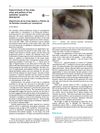
January 2015 in “Actas dermo-sifiliográficas/Actas dermo-sifiliográficas” Latanoprost eye drops caused excessive cheek hair growth and eyelash whitening in a woman.
 January 2024 in “Wiadomości Lekarskie”
 This historical analysis highlights the pioneering contributions of several late 19th-century Jagiellonian University professors to Polish and European medicine, including advancements in craniotomy, urology, and gastroscopic techniques, as well as clinical use of nitroglycerin and early identification of coronary artery embolism.
 5 citations
,
July 2014 in “Actas dermo-sifiliográficas/Actas dermo-sifiliográficas”
5 citations
,
July 2014 in “Actas dermo-sifiliográficas/Actas dermo-sifiliográficas” Latanoprost eye drops caused excessive hair growth and eyelash whitening in a woman.
227 citations
,
February 1989 in “The Journal of Comparative Neurology” This study found that calcitonin‐gene‐related peptide immunoreactive sensory axons in rats are predominantly involved in tissue maintenance rather than nociceptive functions.
August 2026 in “The Laryngoscope” This study found that adults with type 2 diabetes or obesity using semaglutide and tirzepatide experienced higher odds of nonscarring alopecia, such as telogen effluvium, compared to those using other GLP-1 receptor agonists, with hair loss potentially linked to physiologic stress from weight loss.
![Asl Us Soos [Glycyrrhiza Glabra (Linn)]: An Evidence-Based Review on Its Phytopharmacological, Therapeutic Potential and Gastroduodenal Ulcer Activity](/images/assets/6967bbcb-3ed8-4b8e-a417-ed1c34019505/small/62125.jpg) January 2026 in “International Journal of Unani and Integrative Medicine”
January 2026 in “International Journal of Unani and Integrative Medicine” This study evaluated the antiulcer potential of Glycyrrhiza glabra and found that its hydroalcoholic extract demonstrated dose-dependent protective effects against various ulcer models, comparable to standard drugs like omeprazole and cimetidine, by enhancing mucosal defenses and reducing stomach acid production.
 56 citations
,
December 2011 in “The Plant Journal”
56 citations
,
December 2011 in “The Plant Journal” AGD1 is important for root hair development in Arabidopsis, working with phosphoinositide signaling and the actin cytoskeleton.
1 citations
,
May 2021 in “Clinical Nuclear Medicine” In this study, 18F-FDG PET/CT revealed increased FDG uptake in the scalp of a woman after platelet-rich plasma therapy, indicating potential inflammatory changes.
 7 citations
,
March 2017 in “Medical Hypotheses”
7 citations
,
March 2017 in “Medical Hypotheses” This study suggests that dysfunctions and altered expression of aquaporins may play a role in PCOS-related disorders, potentially impacting folliculogenesis and integrating with the insulin-dependent hypothesis of PCOS pathogenesis.
 November 2020 in “Journal of The American Academy of Dermatology”
 This study reported that using plain bottles instead of commercial kits for extracting platelet-rich plasma may be an effective method for treating hair loss.
9 citations
,
October 2017 in “Frontiers in plant science” This study found that the peach gene CTG134 mediates auxin-ethylene crosstalk, affecting root hair growth and hormone-regulated processes in plants.
1 citations
,
July 2024 in “JAAD Case Reports” This study links scalp pruritus in lichen planopilaris and its variants to the inflammation-induced release of substance P and calcitonin gene-related peptide by sensory nerves around hair follicle inflammation sites.
 November 2023 in “Indian journal of surgery”
 This study found that platelet-rich gel is a simple and effective non-surgical method for healing exposed skull injuries, resulting in complete healing with minimal scars and sparse hair growth in all patients.
 7 citations
,
June 2015 in “European Journal of Plastic Surgery”
7 citations
,
June 2015 in “European Journal of Plastic Surgery” This retrospective study found that treatment with autologous plasma rich in growth factors increased hair density and improved hair follicle health in patients with androgenetic alopecia, with no reported adverse effects.
April 2025 in “Experimental Eye Research” In this study, researchers characterized the retinal structure and function of the Oatrhg mouse model of gyrate atrophy, finding localized atrophy without significant retina-wide functional impact, suggesting the model may be useful for testing new treatments using multimodal retinal imaging.
 January 2024 in “Frontiers in endocrinology”
 This study found that women treated with GnRHa for central precocious puberty had a higher prevalence of polycystic ovary syndrome in adulthood compared to those with isolated premature thelarche.
 January 2026 in “International Journal of Women s Health”
 This study found that a nomogram prediction model based on clinical characteristics, bone metabolism, and ovarian function can effectively predict the treatment response to long-acting GnRHa in girls with idiopathic central precocious puberty.
 November 2018 in “Biomedical Journal of Scientific and Technical Research”
 This article discusses the use of PRP and long-acting PRP for treating Female Pattern Hair Loss, emphasizing their potential benefits, but reports no new clinical results.
 12 citations
,
January 2018 in “Biomaterials Science”
12 citations
,
January 2018 in “Biomaterials Science” This study observed that dermal papilla cell aggregates showed increased viability and gene expression on softer 3D substrates, indicating the importance of substrate stiffness in cellular behavior.
29 citations
,
April 2017 in “Macromolecular bioscience” In this study, researchers developed a pH-sensitive dendritic polyglycerol nanogel to measure pH inside hair follicles using an ex vivo porcine ear model, finding that the pH increases from 6.5 at the skin surface to 7.4 in deeper follicle areas, without observed toxicity.