
In this study, six types of cold-pressed oils commonly found in the Polish market were analyzed for their health-promoting compounds and antioxidant activity, revealing them as valuable sources of bioactive compounds like polyunsaturated fatty acids, tocopherols, sterols, and polyphenols, without exceeding recommended deterioration parameters.
4 citations
,
October 2025 in “Molecules” This study concluded that extracts from fermented pumpkin peel and pulp, processed with Lactobacillus strains and kombucha, may serve as multifunctional cosmetic ingredients, offering antioxidant protection, anti-aging, and skin regeneration benefits by demonstrating cytoprotective effects and reducing inflammatory cytokines in cell assays.
 5 citations
,
March 2024 in “Acta Scientiarum Polonorum Technologia Alimentaria”
5 citations
,
March 2024 in “Acta Scientiarum Polonorum Technologia Alimentaria” This study synthesized existing research on 11 tropical seed varieties, underscoring their potential in food, pharmaceutical, and agricultural industries due to their phytochemicals and nutrients, such as phenolics and vitamins, which could reduce waste and support sustainable practices.
16 citations
,
August 2021 in “Frontiers in Pharmacology” This study found that a nano-preparation of quercetin, using a self-nanoemulsifying drug delivery system, was more effective than standard quercetin in reducing cardiac complications and tissue damage in rats with metabolic syndrome, although both formulations similarly reduced oxidative and inflammatory markers.
 June 2023 in “Journal of Ayurvedic and herbal medicine”
 This review article highlights the potential health benefits and pharmaceutical components of pumpkin seeds, which contain proteins, antioxidants, and essential nutrients, and discusses their traditional medicinal uses and emerging applications in the food industry.
 August 2025 in “International Journal of Applied Pharmaceutics”
 This study developed a stable nanoemulsion-based hair serum containing M. oleifera seed oil, which maintained its physical characteristics and reduced the oil's sticky texture, making it more suitable for hair loss treatment compared to traditional formulations.
 11 citations
,
February 2021 in “Trends in Food Science and Technology”
11 citations
,
February 2021 in “Trends in Food Science and Technology” This review explores the potential of edible flowers, particularly the genus Impatiens, for their chemical, nutritional, and bioactive properties but does not report new clinical findings.
 2 citations
,
January 2022 in “Journal of Oleo Science”
2 citations
,
January 2022 in “Journal of Oleo Science” This study found that oil from CG17 garden cress seeds had higher amounts of β-carotenoids, tocopherols, and vitamins compared to other genotypes, with varying physiochemical properties across all seeds.
 67 citations
,
February 2015 in “Life Sciences”
67 citations
,
February 2015 in “Life Sciences” This review discusses phytotherapy options for managing benign prostatic hyperplasia, noting some herbal agents show promise in trials for mild-moderate symptoms but more evidence is needed for others.
 February 2024 in “International journal of biology, pharmacy and allied sciences”
 This review discusses the potential of plant-based preparations for treating hair loss and reports no new clinical results; the authors highlight herbs with evidence of efficacy against alopecia.
 February 2024 in “Bangladesh pharmaceutical journal”
 In this study, researchers formulated a herbal hair oil with natural ingredients and reported that 56.25% of participants experienced increased hair growth and 50% had reduced hair fall after 3 months, without significant side effects.
 434 citations
,
October 2003 in “PTR. Phytotherapy research/Phytotherapy research”
434 citations
,
October 2003 in “PTR. Phytotherapy research/Phytotherapy research” This review discusses the use of natural products in cosmetic preparations for skin and hair care, but reports no new research results.
 1 citations
,
May 2022 in “Pharmaceutics”
1 citations
,
May 2022 in “Pharmaceutics” This study found that a developed nanostructured lipid carrier formulation of tea seed oil can effectively stimulate hair growth and reduce the oily feeling associated with direct application.
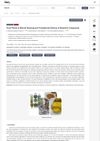
This review highlights the potential of plant-derived natural compounds as biocompatible and biodegradable materials in dermal and transdermal delivery systems, emphasizing their unexplored benefits and detailing recent advances in isolation techniques and drug delivery technologies.
 3 citations
,
April 2023 in “Quality Assurance and Safety of Crops & Foods”
3 citations
,
April 2023 in “Quality Assurance and Safety of Crops & Foods” This study found that oil extracted from Prinsepia utilis seeds is physicochemically stable and suitable for use in manufacturing ketoconazole soap, which met quality control standards and may provide a cost-effective alternative to expensive additives in cosmetic and pharmaceutical applications.
This study evaluated the efficacy of polyphenolic compounds for hair growth in adults with non-scarring alopecia and found that these interventions significantly improved hair density and total area hair count compared to controls, although results were not significantly different from minoxidil.

This review highlights various plant-based and herbal treatments that reportedly help prevent hair loss and encourage hair growth. It also explores the molecular mechanisms, identified plant compounds, recent technologies such as nanoarchitectonics, and patents related to hair growth promotion.
 14 citations
,
December 2011 in “Archives of Dermatological Research”
14 citations
,
December 2011 in “Archives of Dermatological Research” This study found that phyto-vesicles of ß-sitosterol showed better absorption and improved activity for treating androgenetic alopecia in rats compared to the compound and its complex.
9 citations
,
June 2023 in “Cells” This review summarizes recent findings on how the dysregulated PI3K/Akt/mTOR pathway contributes to immune-mediated inflammatory skin disorders and discusses the potential of natural products, synthetic compounds, and biologic agents in their treatment. However, it emphasizes the need for further research to develop effective therapies.
August 2023 in “Health Sciences and Pharmacy Journal” In this review, researchers identified 10 natural plants, including candlenut and clove, that have shown potential to inhibit alopecia progression and stimulate hair growth due to their diverse phytochemical and pharmacological properties in vitro and in vivo.
 January 2017 in “Archives of Aesthetic Plastic Surgery”
 This study reported that using a shampoo and tonic containing horse placental growth factor improved hair thickness and density in postpartum women over three months.
 39 citations
,
September 2013 in “Journal of Cosmetic Dermatology”
39 citations
,
September 2013 in “Journal of Cosmetic Dermatology” This review summarizes causes and treatments of androgenetic alopecia with a focus on herbs as potential alternatives, but reports no new results and suggests more research is needed to validate these options.
 16 citations
,
October 2023 in “Molecular cancer”
16 citations
,
October 2023 in “Molecular cancer” This study reviews the etiology and treatment of skin cancer, focusing on nanotechnology's role in addressing drug resistance and evaluating nanoparticles' potential to improve treatment outcomes, including overcoming multidrug resistance.

This study reviews the potential of rosemary extract for promoting hair growth and reducing hair fall, noting that its efficacy is comparable to minoxidil and that it is generally safe for topical use, though further clinical trials are needed to standardize formulations and dosages.
 2 citations
,
December 1983 in “Outlook on Agriculture”
2 citations
,
December 1983 in “Outlook on Agriculture” This review discusses the use of growth substances in agriculture and horticulture and suggests their potential applications in farming, plant breeding, and environmental protection, but reports no new results.
 23 citations
,
January 2017 in “Journal of Oleo Science”
23 citations
,
January 2017 in “Journal of Oleo Science” This review discusses the use of supercritical carbon dioxide for extracting rice bran oil, noting its advantages over conventional methods for preserving nutrients and antioxidants, but provides no new experimental results.
 1 citations
,
March 2021 in “Current Dermatology Reports”
1 citations
,
March 2021 in “Current Dermatology Reports” This review highlights various alternative and complementary treatments for androgenic alopecia, noting that while only two FDA-approved options exist, increased awareness among dermatologists of supportive evidence for other therapies may better inform patient education.
 32 citations
,
January 2021 in “Molecules”
32 citations
,
January 2021 in “Molecules” This review compiles studies on the antidiabetic potential of plants from the Middle East, particularly from the Asteraceae and Lamiaceae families, but reports no clinical results.
 December 2021 in “International journal of minor fruits, medicinal and aromatic plants”
 This review identifies common medicinal plant species in Sri Lankan home gardens and discusses their traditional Ayurvedic uses, but it reports no new clinical results.
 53 citations
,
January 2017 in “BioMed research international”
53 citations
,
January 2017 in “BioMed research international” This review discusses the importance of omega-3 fatty acids for human health and explores recent advancements in genetically modifying plants to produce these essential nutrients, but reports no new results.