November 2024 in “Journal of Investigative Dermatology” ATP-sensitive potassium channels are important for hair growth.
1 citations
,
September 2018 in “Apollo (University of Cambridge)” In this study, phosphorus starvation in Arabidopsis thaliana roots strongly affected stress-induced cytosolic calcium ion modulations, which were reversible with phosphorus resupply.
11 citations
,
November 2015 in “Carcinogenesis” In this study, researchers found that deleting TNFα in PKCε transgenic mice reduced the development of cutaneous squamous cell carcinomas induced by UV radiation or a chemical protocol.
 9 citations
,
March 2018 in “European journal of dermatology/EJD. European journal of dermatology”
9 citations
,
March 2018 in “European journal of dermatology/EJD. European journal of dermatology” This study in a Pakistani family identified a novel ST14 gene variant as the likely genetic cause of autosomal recessive ichthyosis with hypotrichosis syndrome.
January 2009 in “OhioLink ETD Center (Ohio Library and Information Network)” This study found that p63 and p73 regulate the vitamin D receptor (VDR), with p63 influencing cancer cell behaviors and p73 playing a role in vitamin D-mediated differentiation.
 1 citations
,
June 2011 in “Journal of Genetics”
1 citations
,
June 2011 in “Journal of Genetics” Some human genetic markers work for genetic studies in pig-tailed and stump-tailed macaques, which can help in their conservation.
59 citations
,
September 2003 in “Journal of steroid biochemistry and molecular biology/The Journal of steroid biochemistry and molecular biology” This study suggests that epitestosterone may play a role in regulating androgen-dependent processes like prostate growth and body hair distribution by counteracting testosterone's actions.
September 2022 in “European Journal of Dermatology” This study identified a novel pathogenic splice-site variant of the LAMB3 gene in patients with junctional epidermolysis bullosa, highlighting the importance of gene sequencing for diagnosis.
65 citations
,
September 2014 in “Orphanet Journal of Rare Diseases” This study identified mutations in the STUB1 gene linked to hereditary cerebellar ataxia with cognitive impairment, revealing potential effects on protein function and patient symptoms, including accelerated aging.

This study explored the structure and function of lipocalin prostaglandin D synthase, revealing its dual role in substrate catalysis and as a lipophilic ligand carrier, potentially informing future drug delivery design.
 3 citations
,
December 2016 in “Springer eBooks”
3 citations
,
December 2016 in “Springer eBooks” This study found that activating Toll-like receptor 3 in periodontal ligament stem cells enhanced their stem cell and immunosuppressive properties, potentially supporting effective periodontal tissue regeneration.
 November 2024 in “NeoReviews”
 Pallister-Killian Syndrome is a complex genetic disorder requiring coordinated care and genetic counseling.
 71 citations
,
June 2001 in “American Journal of Pathology”
71 citations
,
June 2001 in “American Journal of Pathology” This study found that p53 plays a crucial role in regulating apoptosis during hair follicle regression (catagen) in mice, and its absence leads to delayed progression and altered expression of apoptosis-related markers.
 April 2023 in “Journal of Investigative Dermatology”
 In this study, the KPAI and KP-IGA scoring systems for assessing keratosis pilaris showed excellent interrater and intrarater reliability, offering standardized measures for clinical and research use.
22 citations
,
November 2008 in “The journal of investigative dermatology/Journal of investigative dermatology” This study observed that cathepsin L and transglutaminase 3 colocalize in the human hair bulb and nail matrix, suggesting their involvement in terminal differentiation within these epidermal appendages.
24 citations
,
July 2015 in “Molecular Medicine Reports” This study found that lysophosphatidic acid increases mesenchymal stem cell proliferation and migration through signaling pathways and reactive oxygen species, implicating potential applications in stem cell expansion.
43 citations
,
January 1999 in “Endocrinology” This study found that cortisol increases mac25/IGFBP-rP1 expression in osteoblast-enriched cells from fetal rat calvariae, indicating transcriptional regulation which may influence IGF and insulin effects in bone.
 April 2018 in “Journal of Investigative Dermatology”
 This study demonstrated that in genetic mouse models, the calcium sensor Stim1, not Stim2, is essential for sweat secretion in sweat glands.
June 2026 in “Value in Health” This study found that simultaneous inactivation of pRb and p53 genes in mice's epidermis accelerates aggressive squamous cell carcinoma development, highlighting p53 as a key tumor suppressor.
 October 2017 in “The Indian Journal of Animal Sciences”
 This study found that prolactin gene polymorphism in Changthangi goats showed no significant association with Cashmere quality traits, indicating the need for further research with larger sample sizes.
 111 citations
,
August 2002 in “Journal of Medicinal Chemistry”
111 citations
,
August 2002 in “Journal of Medicinal Chemistry” This study reports that 2-(1-Adamantyl)-4H-thiochromen-4-on-6-O-sulfamate is the most potent steroid sulfatase inhibitor identified so far, exhibiting 170-fold higher activity than the lead compound estrone sulfamate.
 March 2026 in “Cell Death Discovery”
 In this comprehensive review, researchers examine the p63 gene's crucial role in skin development and pathology, highlighting its regulation of cell processes and its potential therapeutic implications for disorders like ectodermal dysplasia.
 16 citations
,
April 2007 in “Journal of Obstetrics and Gynaecology Research”
16 citations
,
April 2007 in “Journal of Obstetrics and Gynaecology Research” In this study, serum PSA levels were higher in women with PCOS, suggesting it may serve as a marker for hyperandrogenism in this condition.
 26 citations
,
February 2003 in “The journal of investigative dermatology/Journal of investigative dermatology”
26 citations
,
February 2003 in “The journal of investigative dermatology/Journal of investigative dermatology” This study found that cutaneous pyridoxal 5'-phosphate hydrolase activity may be carried out by an enzyme different from the classical tissue-nonspecific alkaline phosphatase in human and mouse skin.
 April 2010 in “The Journal of Urology”
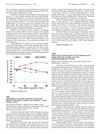
 Human prostate cells produce more WISP1/CCN4 when there's not enough oxygen.
 14 citations
,
October 2000 in “Genomics”
14 citations
,
October 2000 in “Genomics” This study demonstrated that dermal papilla cells are molecularly distinct from fibroblasts and identified many novel molecules, including a new member of the CTGF protein family.
7 citations
,
June 2015 in “EMBO Reports” This article discusses how DNA-based phenotyping is used by police to create visual profiles of suspects from crime scene samples, but reports no new research findings.
7 citations
,
April 2008 in “Progrès en Urologie” 4 citations
,
January 2019 in “Journal of cutaneous pathology” This study found that phospho-S6 is strongly expressed in malignant hair follicle tumors but only patchily in a minority of benign tumors, indicating a potential marker for distinguishing between the two.