March 2020 in “bioRxiv (Cold Spring Harbor Laboratory)” In this study, researchers found no monthly variations in perceived health of Hartley Albino guinea pigs or correlations with experimental completion rates, suggesting mild hair or weight loss may not impact their use in cardiac research.
 21 citations
,
September 2004 in “Fertility and Sterility”
21 citations
,
September 2004 in “Fertility and Sterility” Amenorrhea, or the absence of periods, should be evaluated by age 15 or within five years of early breast development, and is most commonly caused by conditions like polycystic ovary syndrome and hypothalamic amenorrhea.
3 citations
,
February 1983 in “Journal of Investigative Dermatology” This study found that plucking hair from rats' dorsal skin rapidly decreased ornithine decarboxylase activity, possibly due to an inhibitory substance that was activated by ammonium sulfate treatment.
January 2023 in “Figshare” This study found that for postmenopausal patients with advanced breast cancer, quality of life, overall survival, and progression-free survival are the most important factors in treatment decisions, while side effects hold less importance.
 12 citations
,
January 1998 in “Endocrine journal”
12 citations
,
January 1998 in “Endocrine journal” Saw palmetto extract can block the enzyme that converts testosterone in pig prostate cells.
June 2025 in “British Journal of Dermatology” This study reported significant challenges in the UK care system for alopecia areata patients, including inconsistent care pathways, long waiting times, inadequate access to specialists, and insufficient resources, particularly affecting referral processes and treatment access.
In this laboratory study, the methanolic extract of Eclipta alba demonstrated significant anthelmintic activity against earthworms (Pheretima posthuma), causing paralysis and death at doses of 50-100 mg/ml, with stronger effects observed at higher concentrations compared to the standard treatment, albendazole.
 47 citations
,
May 1999 in “Reproduction”
47 citations
,
May 1999 in “Reproduction” This study found that temperature affects the influence of daylength on prolactin secretion and hair growth in dairy goats, without significant involvement of melatonin.
1 citations
,
May 2016 in “Journal of Veterinary Diagnostic Investigation” In this study, exotic lice were found to be widespread among mule deer in California, with younger age classes and low blood selenium concentrations being significantly associated with infestation.
 28 citations
,
May 2017 in “Molecular ecology”
28 citations
,
May 2017 in “Molecular ecology” This study observed that in wild snowshoe hares, gene expression patterns during seasonal coat color change show a consistent lag between gene expression and visible coat color changes.
2 citations
,
July 2024 in “Indian Journal of Dermatology” This study found that a high proportion of alopecia areata patients experienced a relapse, typically within one year, with more extensive initial scalp involvement predicting an earlier return of the disease.
 12 citations
,
March 2010 in “Asian Journal of Animal and Veterinary Advances”
12 citations
,
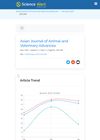
March 2010 in “Asian Journal of Animal and Veterinary Advances” Young and adult hamsters both respond similarly to testosterone and finasteride treatments, but young hamsters aren't good for testing the inhibitory activity of a specific enzyme.
2 citations
,
April 2016 in “DOAJ (DOAJ: Directory of Open Access Journals)” This study found that a novel saw palmetto supercritical CO2 extract effectively inhibits 5α-reductase type II in vitro, suggesting its potential for promoting prostate health in benign prostatic hyperplasia.

This study observed that public interest in JAK-inhibitor treatments for alopecia areata significantly increased around the FDA approval in 2022 and heightened media coverage, suggesting an important role for patient education about these treatments.
1 citations
,
January 1993 This article discusses zinc deficiency in animal nutrition and highlights the need for zinc supplementation in livestock diets; it reports no new study results.
January 2023 in “Figshare” This study reported that postmenopausal patients with advanced breast cancer prioritize quality of life, overall survival, and progression-free survival over therapy-related side effects when considering cancer treatment decisions.
3 citations
,
April 2024 in “International Journal of Women’s Dermatology” This article discusses barriers to obtaining JAK inhibitor therapy for patients with alopecia areata and highlights that racial inequities may worsen these difficulties; it calls for further advocacy to improve access.
75 citations
,
March 2023 in “JAMA Dermatology” This study reported that the prevalence of alopecia areata in the US slightly increased from 0.199% to 0.222% between 2016 and 2019, with higher rates observed in women and adults.
This study developed a mathematical model using hair biomarkers (levels of Mg, K, Fe, Al, Cr) to noninvasively predict iron content in Hereford cattle muscle tissue, potentially improving livestock management and meat quality.
19 citations
,
January 2013 in “Frontiers in Neuroanatomy” This study demonstrates a method using intravital imaging to observe sensory hair-cell development and regeneration in zebrafish, which may facilitate assays for drug discovery related to aural function preservation.
 October 2023 in “Bioactive Materials”
 This study developed a novel liposome-based delivery system for Minoxidil and nitric oxide, which showed promising results in promoting hair regrowth in an androgenetic alopecia model by enhancing transdermal absorption, prolonging skin retention, and reducing inflammation.
 July 2023 in “Turkish journal of veterinary research”
 This study investigated the hair structure of wild pigs in the Balıkesir region using stereomicroscopy and scanning electron microscopy, finding distinct bifurcation patterns, but concluded that pig bristles used in brushes likely wouldn't retain these features, complicating species identification.
June 2026 in “Frontiers in Nutrition” This study provides a narrative review suggesting GLP-1 receptor agonists could optimize metabolic health before conception in women with PCOS, but not necessarily improve fertility outcomes, emphasizing individualized use and the need for further research to confirm their reproductive benefits and safety.
 8 citations
,
January 2018 in “Journal of the American Academy of Dermatology”
8 citations
,
January 2018 in “Journal of the American Academy of Dermatology” This study found that maintenance treatment with diphenylcyclopropenone was associated with a lower relapse rate in alopecia areata patients, highlighting the importance of adjusting treatment intervals post-improvement.
 4 citations
,
January 2009 in “Acta agriculturae Serbica”
4 citations
,
January 2009 in “Acta agriculturae Serbica” This study observed that both excessive and deficient selenium levels in a C57BL/6 mouse model were associated with hair loss and changes in hair follicles, likely due to alterations in the hair follicle cycle and increased apoptosis.
 January 2025 in “Epsilon Archive for Student Projects (University of Southampton)”
 In this study investigating goat herds in Zambia, both mange and orf were detected, but with low occurrence linked to diagnostic challenges and mild clinical signs; further research, especially in conditions favoring mange mites, is recommended to better understand and manage these diseases.
 216 citations
,
November 1999 in “Fertility and Sterility”
216 citations
,
November 1999 in “Fertility and Sterility” This study found that a basal 17-hydroxyprogesterone level is effective for screening nonclassic adrenal hyperplasia in women, with a 4 ng/mL cutoff providing high specificity and positive predictive value.
This study concluded that patients with alopecia areata receiving Janus kinase inhibitors are not maintaining the recommended frequency of lab monitoring every three months, indicating a need for new strategies to improve adherence.
 2 citations
,
July 2023 in “Phytotherapy Research”
2 citations
,
July 2023 in “Phytotherapy Research” This study found that people taking Serenoa repens for more than 14 days had a higher likelihood of serious adverse reactions, particularly when also using multiple or interacting supplements, although higher SR doses were linked to lower risk.
January 2013 in “대한피부과학회지” This study found that eating habits in androgenetic alopecia patients differed from the average Korean population, with longer disease duration associated with higher meat intake and lower fish intake.