 June 2023 in “International journal of research in ayurveda and pharmacy”
 This study explores how Dhatryadi rasayana, a polyherbal formulation with antioxidant properties, may help prevent and treat premature hair greying by addressing factors such as oxidative stress, nutritional deficiencies, and hormone imbalances, potentially through rasayana therapy.
 67 citations
,
May 2018 in “Journal of Ginseng Research”
67 citations
,
May 2018 in “Journal of Ginseng Research” This paper highlights the need for a comprehensive red ginseng monograph to provide standardized information on its components, certified functionality, efficacy, action mechanisms, and safety, especially given its widespread use as a health functional food in South Korea and interest in its benefits worldwide.
 22 citations
,
November 2024 in “Planta”
22 citations
,
November 2024 in “Planta” This review highlights the potential of aromatic plants as natural antioxidants in cosmeceuticals, which may combat skin aging and promote rejuvenation by counteracting oxidative stress, offering a natural alternative to synthetic products with benefits like photoprotection and anti-wrinkle effects.
 170 citations
,
September 2019 in “Evidence-based Complementary and Alternative Medicine”
170 citations
,
September 2019 in “Evidence-based Complementary and Alternative Medicine” This review discusses the use of 36 medicinal plant species for cutaneous wound healing and reports no new clinical results; the authors highlight the potential for these traditional practices to inform modern therapies.
9 citations
,
December 2021 in “Molecules” This study found that certain metabolites from the plants Bidens pilosa, Calophyllum inophyllum, and Fagraea berteroana may support hair follicle growth by promoting dermal papilla cell proliferation, supporting their traditional use in hair care.
1 citations
,
January 2022 This book chapter reviews the taxonomy, traditional uses, pharmacological effects, and safety of Eclipta prostrata, emphasizing its potential therapeutic applications, but it reports no new clinical results.
6 citations
,
October 2023 in “Pharmaceuticals” This study found that the extract of Eclipta prostrata L. demonstrated high antioxidant and anti-acetylcholinesterase activities, moderate inhibition of enzymes linked to diabetes, and favorable ADMET properties, suggesting potential cognitive and diabetes management benefits.
9 citations
,
April 2024 in “Metabolites” This study reviews the current research on the metabolomic profile and antimicrobial properties of the Cannabis plant, highlighting its effective antibacterial activity against multidrug-resistant bacteria while noting a lack of studies on its impact on plant and aquatic pathogens, emphasizing potential agricultural benefits.
 April 2011 in “한국생물공학회 학술대회”
 This study found that an anti-atopic lotion containing fucoidan helped heal skin damage in hairless mice with atopic dermatitis by reducing skin thickness and modulating immune responses.
 21 citations
,
November 2021 in “Biomolecules”
21 citations
,
November 2021 in “Biomolecules” This review compiles information on traditional uses, phytoconstituents, and biological activities of Eclipta prostrata but reports no new experimental results; the authors call for more studies to understand its pharmacological mechanisms.
11 citations
,
August 2022 in “Evidence-based Complementary and Alternative Medicine” This study found that methanolic extract of Eclipta alba leaves exhibited strong antibacterial effects against certain pathogens including methicillin-resistant Staphylococcus aureus, but it showed no activity against Mycobacterium tuberculosis, including drug-resistant strains.
 August 2026 in “International Journal of Molecular Sciences”
 This study found that Atractylodes macrocephala Koidz. extract promotes anagen entry and hair regrowth by enhancing dermal papilla cell activity and supporting hair cycle progression in a mouse model.
 2 citations
,
July 2017 in “Deleted Journal”
2 citations
,
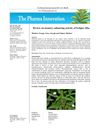
July 2017 in “Deleted Journal” This review discusses the memory enhancing activity of the ethanolic extract of Eclipta alba and reports no new clinical results.
 24 citations
,
January 2020 in “International Journal of Molecular Sciences”
24 citations
,
January 2020 in “International Journal of Molecular Sciences” This review discusses the potential benefits of flavonoid-containing botanicals, such as Panax ginseng, in reducing hair loss and promoting hair growth, but reports no new experimental results.
 22 citations
,
January 2021 in “Pharmacognosy Journal”
22 citations
,
January 2021 in “Pharmacognosy Journal” This review discusses the traditional uses, phytochemical, and pharmacological studies on Ageratum conyzoides, Tridax procumbens, and Bidens pilosa, emphasizing the need for further clinical research into their medicinal potential, but it does not report new results.

This review reports that extracts from the plant Eclipta alba, traditionally used in herbal medicine, may promote hair growth by inhibiting TGF-β1 expression and functioning as a 5α-reductase inhibitor, potentially benefiting androgenic alopecia treatment.
 44 citations
,
August 2012 in “Journal of Food Science”
44 citations
,
August 2012 in “Journal of Food Science” This study optimized conditions for extracting saponins from Eclipta prostrata, achieving maximum yield with specific ethanol concentration, time, temperature, and liquid/solid ratio.
 41 citations
,
July 2015 in “Current Drug Discovery Technologies”
41 citations
,
July 2015 in “Current Drug Discovery Technologies” This review discusses various plants and herbal formulations traditionally used for hair growth and notes their potential as safer alternatives to synthetic hair loss treatments, but reports no new clinical results.

This review discusses the medicinal uses and phytochemical composition of Eclipta alba and reports no new clinical findings; the authors suggest its potential therapeutic significance due to complex interactions of its constituents.
 1 citations
,
January 2019 in “International Journal of ChemTech Research”
1 citations
,
January 2019 in “International Journal of ChemTech Research” This study reviews the pharmacological properties of the plant Eclipta prostrata, highlighting its potential in treating various conditions including wound healing, diabetes, liver protection, alopecia, gum disease, cancer prevention, bone health, and antimicrobial effects, alongside its traditional use in tropical regions.
 60 citations
,
June 2017 in “IOSR Journal of Pharmacy (IOSRPHR)”
60 citations
,
June 2017 in “IOSR Journal of Pharmacy (IOSRPHR)” This review highlights the chemical components and various potential health effects of Daucus carota but reports no new experimental results.
 2 citations
,
January 2020 in “Journal of Pharmacognosy and Phytochemistry”
2 citations
,
January 2020 in “Journal of Pharmacognosy and Phytochemistry” This article reviews the medicinal significance of the Eclipta alba plant in India and its therapeutic properties, but reports no new clinical results.
 1 citations
,
January 2017 in “Organic chemistry”
1 citations
,
January 2017 in “Organic chemistry” This article reviews the traditional uses and documented properties of Tridax procumbens in medicine but reports no original research findings, emphasizing its potential therapeutic applications.
In this review, researchers evaluated 111 studies on the biological activities and phytochemical components of the plant Tridax procumbens, emphasizing its ethnobotanical potential and the need for more research to understand its therapeutic benefits, especially in its native tropical regions.
 February 2024 in “Oriental Journal of Chemistry/Oriental journal of chemistry”
 This review reports various ethnomedicinal uses, phytochemical components, and potential pharmacological effects of Eclipta alba, highlighting benefits like wound healing and neuroprotection, though it underscores the need for further mechanism-based studies and clinical trials.
 January 2024 in “Journal of applied biological chemistry”
 This study found that Glehnia littoralis and Andrographis paniculata may support hair growth by protecting against oxidative stress and increasing VEGF and Wnt/β-catenin signaling in human hair follicle dermal papilla cells, with enhanced effects when combined.
 47 citations
,
June 2015 in “Medicines”
47 citations
,
June 2015 in “Medicines” This review examines the use and efficacy of Panax ginseng in various clinical settings, noting that clinical trial outcomes vary widely based on study conditions and ginseng types; no new results are reported.
 17 citations
,
August 2012 in “Archives of Pharmacal Research”
17 citations
,
August 2012 in “Archives of Pharmacal Research” Acankoreoside J from Acanthopanax koreanum may help promote hair growth.
 3 citations
,
January 2023 in “Agriculture and Natural Resources”
3 citations
,
January 2023 in “Agriculture and Natural Resources” This study found that flower extracts of Wedelia trilobata may serve as a promising active ingredient for cosmeceutical products due to their antioxidant, anti-inflammatory, and antimicrobial properties.
 1 citations
,
January 2016 in “Springer briefs in molecular science”
1 citations
,
January 2016 in “Springer briefs in molecular science” This chapter reviews the chemistry and potential benefits of plant-based hair dyes in cosmetics, but it reports no new clinical results.