 4 citations
,
July 2024 in “European Archives of Oto-Rhino-Laryngology”
4 citations
,
July 2024 in “European Archives of Oto-Rhino-Laryngology” This study found that platelet-rich plasma injections significantly improved olfactory function in patients with long-lasting postviral olfactory dysfunction, suggesting potential as a therapeutic strategy.
 3 citations
,
May 2023 in “Current Molecular Medicine”
3 citations
,
May 2023 in “Current Molecular Medicine” This review discusses the distinction between platelet-rich plasma and stem cell-based therapies in regenerative medicine, highlighting their different roles and stressing the importance of honest representation by commercial and health entities.
 3 citations
,
March 2023 in “National Journal of Health Sciences”
3 citations
,
March 2023 in “National Journal of Health Sciences” This article reviews the potential of platelet-rich plasma therapy in managing diabetic foot ulcers but reports no new clinical findings, highlighting the need for further controlled trials to evaluate its effectiveness.
 1 citations
,
January 2025 in “OBM Geriatrics”
1 citations
,
January 2025 in “OBM Geriatrics” This study highlights the role of platelets in immune interactions and severe adenovirus infection, noting that activated platelets have a shorter lifespan. Results suggest potential for developing therapies targeting platelet senescence and immunologic mechanisms.
 April 2026 in “Communications Biology”
 In this study of Danioninae species, researchers reported that the presence of breeding tubercles on the pectoral fins is conserved in certain species and linked to local androgen conversion, with steroid 5-α-reductase playing a crucial role in their development.
 March 2026 in “Frontiers in Pharmacology”
 The study concluded that the Exprecell™ device for preparing anticoagulant-free f-PRF increases volume yield and simplifies the process while maintaining biological activity comparable to conventional methods, suggesting potential clinical utility.
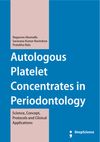
In this book, the authors provide an accessible overview of platelet concentrates and their dental applications, highlighting their role in tissue healing and regeneration, and reviewing recent studies on their efficacy in periodontal therapy, implant dentistry, and oral surgery.
 November 2025 in “Eduvest - Journal Of Universal Studies”
 This case report describes a young male patient with androgenetic alopecia who experienced significant hair growth improvement and no side effects after receiving single spin platelet-rich plasma therapy combined with topical minoxidil.

This study utilized a mouse model of traumatic brain injury to reveal that acute neurotrauma triggers widespread lipid metabolism reprogramming and storage lipid accumulation in microglial and monocyte populations, leading to lysosomal dysfunction, inhibited autophagy, and exacerbated inflammation through a pathological feedback loop.
 May 2025 in “Animal Bioscience”
 This study found that inhibiting prolactin secretion during the telogen phase can reduce the number of activated secondary hair follicles and the width of hair bulbs.
 January 2025 in “International Research Journal of Innovations in Engineering and Technology”
 This review discusses the biological mechanisms, preparation techniques, and clinical applications of platelet-rich plasma therapy, highlighting its variable outcomes and potential improvements for efficacy and standardization; it reports no new clinical results.
 November 2023 in “European medical journal. Dermatology”
 This review found mixed evidence regarding platelet-rich plasma's effectiveness in various medical applications, noting significant limitations like small sample sizes and lack of standardization that necessitate further research.
 October 2023 in “bioRxiv (Cold Spring Harbor Laboratory)”
 This study constructed a comprehensive atlas of prenatal human skin, revealing that innate immune cells, such as macrophages, play a crucial role in skin morphogenesis by interacting with non-immune cells, influencing hair follicle formation and angiogenesis beyond their traditional immune functions.
 July 2023 in “Frontiers in veterinary science”
 In this study, researchers analyzed skin samples from Dorper sheep to identify 395 differentially expressed long non-coding RNAs (lncRNAs) linked to hair follicle growth phases, suggesting these lncRNAs may play a role in the regulation of hair shedding through pathways like estrogen and PI3K-Akt signaling.

This article discusses vaccination coverage for BCG, Polio, and Hepatitis B in Juiz de Fora using SUS data and reports no new results; the authors aim to hypothesize reasons for coverage variation.
 September 2020 in “Research Square (Research Square)”
 This study identified 21 candidate genes related to immunoglobulin concentrations in colostrum and serum of dairy cattle, which may aid in genetic improvement for disease resistance.
 July 2020 in “Research Square (Research Square)”
 This study identified 21 candidate genes linked to immunoglobulin levels in colostrum and serum of dairy cattle, suggesting potential for genetic selection to enhance immunity.
 June 2017 in “Experimental and Therapeutic Medicine”
 In a depilated mouse model, this study found that blocking CXCL4 activity with an anti-CXCL4 monoclonal antibody promoted hair growth by inducing an earlier anagen phase, delaying hair follicle regression, and altering expression of genes and proteins related to hair growth and cell proliferation.

This historical review discusses the ancient Egyptians' advanced wound-healing techniques, including the use of honey and moldy bread, and reports no new clinical results.
 January 2009 in “Side effects of drugs annual”
 This chapter reviews drugs affecting blood coagulation and details the increased hemorrhage risk associated with warfarin interactions, liver disease, heart failure, and antiphospholipid antibodies but reports no new clinical results.

This dissertation reported that the loss of Ovol2 impairs hair follicle regeneration and wound repair in mice, highlighting its role in regulating directional migration of epithelial cells.
 187 citations
,
April 2019 in “npj Regenerative Medicine”
187 citations
,
April 2019 in “npj Regenerative Medicine” This study found that hMSC secretomes from umbilical cord Wharton's jelly had the most potent angiogenic effects, whereas those from adipose tissue demonstrated the weakest angiogenic potential.
 34 citations
,
August 2002 in “British Journal of Dermatology”
34 citations
,
August 2002 in “British Journal of Dermatology” This study observed that two patients treated with interferon α-2b and ribavirin for chronic hepatitis C experienced complete and reversible straightening of their natural curly hair, which recurred with treatment resumption.
 29 citations
,
September 2020 in “International Journal of Molecular Sciences”
29 citations
,
September 2020 in “International Journal of Molecular Sciences” This review outlines the current state of freeze-dried platelet-rich plasma (FD-PRP) research, emphasizing its use in wound healing, lumbar fusion, knee conditions, and dentistry, but reports no new clinical findings.
 1 citations
,
August 2023 in “Journal of Dentomaxillofacial Science”
1 citations
,
August 2023 in “Journal of Dentomaxillofacial Science” This study found that freeze-dried homologous platelet-rich plasma (FD HPRP) increased osteocalcin levels in cultured osteoblasts, suggesting its potential to support bone regeneration in periodontal treatment.
 February 2026 in “Frontiers in Pharmacology”
 This study found that injecting PRP gel derived from a patient's own blood may promote tissue regeneration and closure of intestinal fistulas unresponsive to conservative therapy.
 November 2024 in “Communities in ADDI (University of the Basque Country)”
 Antisense oligonucleotides show promise for treating Myotonic Dystrophy type I.
October 2012 in “Sax's Dangerous Properties of Industrial Materials” P-3074 effectively blocks scalp DHT better than oral finasteride.
![Synthesis and Structural Characterization of a New Dinuclear Platinum(III) Complex, [Pt2Cl4(NH3)2{μ-HN=C(O)Bu^t}2]](/images/assets/fcbeee85-f5bd-406e-936d-9134a0f200d4/small/36266.jpg) 2 citations
,
November 2022 in “Acta crystallographica. Section B, Structural science, crystal engineering and materials./Acta crystallographica. Section B, Structural science, crystal engineering and materials”
2 citations
,
November 2022 in “Acta crystallographica. Section B, Structural science, crystal engineering and materials./Acta crystallographica. Section B, Structural science, crystal engineering and materials” This study reports the synthesis and structural characterization of a novel dinuclear platinum(III) complex with potential antitumor and catalytic activity.