 November 2019 in “Harper's Textbook of Pediatric Dermatology”
 This index of Harper's Textbook of Pediatric Dermatology, Fourth Edition, provides no clinical results or new findings.
 September 2009 in “Pediatric Dermatology”
 This meeting abstract volume for the Society for Pediatric Dermatology reports no new clinical results.
 January 2008 in “Journal of The American Academy of Dermatology”
 Hair loss affects 20% of people, more in men and those over 35, and is often associated with a sensitive scalp.
 January 2008 in “Journal of The American Academy of Dermatology”
 Trichoscopy is a helpful and quick method to identify different types of hair loss in women.
 June 2025 in “Deleted Journal”
 In this case report, two Persian cats with Lynxacarus radovskyi fur mites and symptoms like mild alopecia and pruritus fully recovered after receiving selamectin spot-on treatment monthly for three months.
4 citations
,
November 1998 in “Pediatrics in review” This article reviews the characteristics and treatment options for various dermatophyte infections, highlighting that systemic treatment is essential for tinea capitis while topical treatments are generally effective for other types.
5 citations
,
January 2020 in “Veterinary Dermatology” In this study, researchers evaluated the antifungal effectiveness of topical products on infected kitten hair, finding most were effective after one application, with enilconazole and lime sulfur showing residual activity; however, 0.15% ketoconazole with chlorhexidine had no such lasting effect.
 11 citations
,
October 2021 in “Journal of Herbmed Pharmacology”
11 citations
,
October 2021 in “Journal of Herbmed Pharmacology” This review examines the therapeutic benefits, chemical composition, and medicinal uses of Delphinium species, along with their toxic effects; it reports no new clinical results.
 2 citations
,
January 2014 in “Springer eBooks”
2 citations
,
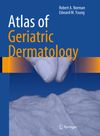
January 2014 in “Springer eBooks” The book details skin conditions in older adults, their link to mental health, cancer treatment importance, hair loss remedies, and managing autoimmune and itchy skin.
 November 2025 in “Open Repository of the University of Porto (University of Porto)”
 This report covers an internship at a pharmacy and hospital where multiple pharmaceutical activities were examined, including the preparation of individualized medication and the comparison of drugs for hypercholesterolemia treatment.
 September 2003 in “Current Paediatrics”
 This article outlines how pediatric hair problems present and how they can be assessed, without reporting new research results.
11 citations
,
July 1984 in “Australian Veterinary Journal” This study found that povidone iodine, thiabendazole ointment, captan ointment, and Burroughs Wellcome Ringworm Ointment were effective against Trichophyton equinum var. autotrophicum in horses, but large-scale use may be limited by practicality and cost.
 43 citations
,
November 2007 in “Journal of Investigative Dermatology Symposium Proceedings”
43 citations
,
November 2007 in “Journal of Investigative Dermatology Symposium Proceedings” This paper reviews symptoms, causes, and treatment strategies for common scalp conditions such as dandruff and psoriasis, but does not present new clinical findings.
 March 2022 in “Journal of health sciences and medicine”
 This study found that azelaic acid at all tested concentrations showed anti-Demodex efficacy similar to 5% permethrin, with no statistically significant differences between the treatments.
 30 citations
,
February 2018 in “Journal of Pharmacy and Pharmacology”
30 citations
,
February 2018 in “Journal of Pharmacy and Pharmacology” This review discusses the traditional uses and pharmacological properties of Hedychium spicatum, noting that while some traditional uses are supported by scientific studies, further research on its applications is needed.
 December 2025 in “Saudi Pharmaceutical Journal”
 This study developed a nanoemulsion containing Minoxidil, which showed effective stability and significantly increased hair growth rates in pretreated mice, suggesting its potential for treating hair loss.
 May 2025 in “Scientific Reports”
 This study found that geraniol, derived from Apiaceae plants, may be an effective and eco-friendly treatment for scabies, achieving complete clinical recovery in infected rabbits within two weeks.
 March 2024 in “International Research Journal of Modernization in Engineering Technology and Science”
 In this study, researchers developed a herbal shampoo using natural plant extracts, which maintained physicochemical properties and improved hair texture without the side effects commonly associated with synthetic ingredients.
3 citations
,
January 2014 in “Indian dermatology online journal” This case report describes an 8-year-old girl with hair casts, highlighting the importance of distinguishing them from pediculosis capitis due to their unusual occurrence and varied associations.
 38 citations
,
July 2010 in “Clinical, cosmetic and investigational dermatology”
38 citations
,
July 2010 in “Clinical, cosmetic and investigational dermatology” This review discusses systemic antifungal treatments for tinea capitis in children, noting that newer agents like terbinafine and itraconazole require shorter courses than the traditional griseofulvin, but may be more costly.
3 citations
,
January 2002 in “Pediatric Drugs” This review discusses treatments for tinea capitis, noting that while griseofulvin remains a common choice, shorter treatment options like terbinafine, itraconazole, and fluconazole show promise but require further studies.
 February 2025 in “Buletin Veteriner Udayana”
 In this case report, the 14-day treatment with ivermectin, sulfur baths, antihistamines, and supplements resulted in significant recovery in a cat with scabies and sporotrichosis, except for persistent alopecia on the ear pinna. The authors recommend maintaining a clean environment to prevent reinfection.
January 2016 in “Elsevier eBooks” This article discusses dermatophycosis, a fungal infection affecting various animals, and outlines its transmission, diagnosis, treatment, and prevention methods, but reports no new research findings.
 113 citations
,
August 2016 in “Mycopathologia”
113 citations
,
August 2016 in “Mycopathologia” This review discusses the developments in antifungal treatments for dermatophyte infections since 2008, reporting no new oral agents but introducing newer topical options like efinaconazole and tavaborole.
 September 2024 in “PubMed”
 This case reported that a 6-year-old patient with scalp lesions, diagnosed with tinea capitis and head lice, successfully responded to a new treatment regimen including griseofulvin, permethrin, and prednisolone, highlighting the need for better diagnosis and interprofessional communication.
 8 citations
,
January 2000
8 citations
,
January 2000 This study found that terbinafine prevented the invasion of keratin by Trichophyton mentagrophytes in experimental models replicating human dermatomycoses.
December 2016 in “Indonesian Journal of Tropical and Infectious Disease/Indonesian Journal of Tropical an Infectious Disease” In this case report, a two-year-old girl with kerion type of tinea capitis successfully achieved clinical and mycologic cure with double pulse dose terbinafine and 2% ketoconazole shampoo over two months, with excellent tolerability and no side effects.
 January 2023 in “Revista Brasileira de Parasitologia Veterinária/Brazilian Journal of Veterinary Parasitology”
 This study found that a single topical dose of fluralaner effectively eliminated Lynxacarus radovskyi mites from naturally infested domestic cats within 42 days, with treated cats remaining mite-free until day 98, unlike the untreated control group which continued to test positive.
 1 citations
,
July 2018 in “Elsevier eBooks”
1 citations
,
July 2018 in “Elsevier eBooks” This review discusses various infections and conditions of the hair and scalp and provides diagnostic and management guidance, but reports no new clinical findings.
 October 2022 in “Gadua Journal of Pure and Allied Science”
 In this study, Trichophyton tonsurans and Microsporum canis were identified as the primary causes of tinea capitis, with terbinafine treatment showing the highest cure rate. Non-commercial kits surpassed real-time PCR commercial kits in specificity and sensitivity for diagnosis.