January 2006 in “Chinese Journal of Dermatology” In this study, latanoprost at certain concentrations promoted the growth of pig hair follicles in vitro by possibly extending the anagen phase of the hair cycle.
 April 2023 in “Journal of Investigative Dermatology”
 This study found that ALRN-6924 effectively protected human hair follicles from cyclophosphamide-induced damage in an ex vivo setting, suggesting it may reduce both acute and permanent chemotherapy-induced alopecia.
May 2023 in “Pharmaceuticals” In this in silico study, researchers analyzed nonsynonymous SNPs in the LIPH gene linked to hypotrichosis and identified three potentially harmful variants (W108R, C246S, and H248N) out of 215 total, using sequence- and architecture-based bioinformatics techniques to differentiate between harmful and benign SNPs.
July 2024 in “Journal of Investigative Dermatology” PH-762 shows promise in treating skin cancer by effectively targeting and silencing PD-1 in tumors with minimal side effects.
March 2026 in “Drug Testing and Analysis” This study observed that the degradation product PTeCA significantly increased in hair treated with oxidative cosmetics, suggesting it could be a reliable marker for detecting such treatments, with a proposed PTCA cut-off value using PTeCA as the gold standard.
65 citations
,
October 2015 in “Acta Biomaterialia” This study found that using a pH-sensitive layered double hydroxide nanocarrier to deliver etoposide significantly reduced liver toxicity and enhanced the drug’s effectiveness in targeting and suppressing non-small cell lung cancer.
January 2008 in “Memorial University Research Repository (Memorial University)” This study found that the NHD domain, but not the PHD domain, of hPygo2 is crucial for Wnt-independent growth of ovarian cancer cells, and identified a key interaction with Treacle protein involved in ribosomal biogenesis.
This study suggests that PDRN may enhance wound healing by reducing MIR135b expression, which in turn increases FOXO1 expression in keratinocytes.
 August 2023 in “Journal of Dermatological Science”
 A specific RNA molecule blocks hair growth by affecting a protein related to hair loss conditions.
September 2025 in “Development” In this study, deleting the transcriptional pause factor Nelfb in mouse preadipocyte lineages led to defective dermal fat formation and lethal outcomes, while interventions targeting Pparg could rescue adipocyte differentiation and promote dermal white adipose tissue formation, underscoring Nelfb's critical role in adipogenesis.
July 2024 in “Journal of Investigative Dermatology” 
In this study, the researchers reported that the optimized compound 39 demonstrated potent AR antagonism and favorable pharmacokinetics in a hair-growth mouse model, achieving similar efficacy to pyrilutamide with faster onset and preserved safety, offering promise for next-generation topical AR antagonist development.
1 citations
,
January 2025 in “Proceedings of the National Academy of Sciences” This study used cryoelectron microscopy to unveil the structure of LPA-bound human LPAR6, revealing unique ligand binding and recognition modes distinct from LPAR1, which may aid in designing targeted compounds for hair loss and cancer.
 July 2026 in “Current Issues in Molecular Biology”
 This study found that Plerixafor, a CXCR4 antagonist, promotes melanogenesis in melanocytes by increasing MITF and tyrosinase expression and enhancing melanocyte migration, and it effectively restores pigmentation in a mouse depigmentation model without toxicity, highlighting its potential for treating pigmentary disorders.
July 2026 in “Journal of Investigative Dermatology” 8 citations
,
August 2018 in “BMJ Case Reports” This case report describes a patient who experienced rapid hair depigmentation after starting pazopanib for metastatic renal cell carcinoma, which may suggest therapy success despite being distressing.
7 citations
,
September 1991 in “Journal of Andrology” In this study, 4‐MAPC treatment reduced ventral prostate weight in rats primarily through decreased synthetic activity, with testosterone propionate increasing prostate weight and activity at pharmacologic doses.
 May 2015 in “Journal of The American Academy of Dermatology”
 Povidone-iodine nail solution effectively treats nail infections caused by chemotherapy.
 80 citations
,
April 2017 in “Frontiers in Pharmacology”
80 citations
,
April 2017 in “Frontiers in Pharmacology” This review examines experimental and clinical evidence on PDRN, a drug derived from salmon DNA that acts via the adenosine A2A receptor and shows promise for tissue repair and treatment of diabetic foot ulcers in regenerative medicine.
17 citations
,
February 2018 in “Journal of Investigative Dermatology” This study found that the PPAR-γ modulator N-acetyl-GED may enhance mitochondrial function in human hair follicles, particularly in outer root sheath keratinocytes.
 June 2018 in “The Journal of Sexual Medicine”
 In this study, finasteride was found to significantly reduce DHT levels and affect spermatogenic markers in rats, while DA-9401 co-treatment indicated potential ameliorative effects.
 5 citations
,
September 2014 in “Journal of Pharmaceutical Sciences”
5 citations
,
September 2014 in “Journal of Pharmaceutical Sciences”  1 citations
,
November 2023 in “Rice”
1 citations
,
November 2023 in “Rice” This study found that PRX102, a peroxidase with a unique polar localization pattern, plays a role in root hair growth by aiding the transport of materials to the tips of growing root hairs.
 1 citations
,
April 2018 in “Journal of Investigative Dermatology”
1 citations
,
April 2018 in “Journal of Investigative Dermatology” This study found that Polycomb repressive complex 1 is crucial for skin development and stem cell specification, influencing gene activity beyond its known repressor functions.
 2 citations
,
August 2025 in “Scientific Reports”
2 citations
,
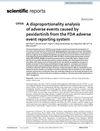
August 2025 in “Scientific Reports” This study analyzed pexidartinib-associated adverse events from FDA data and reported common events such as hepatic issues and systemic reactions. It highlighted sex-specific susceptibilities and reinforced the need for risk mitigation and long-term monitoring in tenosynovial giant cell tumor management.
June 2026 in “Cancer Research Communications” In this phase 1B study, patients with ER-positive/HER2-negative metastatic breast cancer receiving combined pegylated liposomal doxorubicin and pembrolizumab had a disease control rate of 67% with responses lasting a median of 11 months; the treatment was well tolerated and showed potential for extended use.
This study found that selective deletion of PIKFyve kinase using a PF4 promoter in mice led to defective platelet lysosome biogenesis and a prothrombotic effect, with unexpected macrophage infiltration in multiple organs.
 9 citations
,
February 2018 in “The Journal of Dermatology”
9 citations
,
February 2018 in “The Journal of Dermatology” This study identified a novel splice site mutation in the LIPH gene associated with autosomal recessive woolly hair, contributing to understanding the genetic basis of this condition.
April 2025 in “Journal of Biophotonics” This study found that 808 nm laser photobiomodulation altered mitochondrial respiration and enhanced osteogenic protein expression in human dental pulp stem cells, with the effects being dose-specific and more pronounced at 15 J/cm².
April 2026 in “Future Medicinal Chemistry” This article discusses the impact of PROTACs technology in transforming drug discovery with its novel degradation mechanism, but it reports no new experimental findings.