 9 citations
,
June 2014 in “European Journal of Obstetrics & Gynecology and Reproductive Biology”
9 citations
,
June 2014 in “European Journal of Obstetrics & Gynecology and Reproductive Biology” Blood AMH levels are higher in women with PCOS than in those with other similar conditions.
7 citations
,
June 2006 in “Pediatrics in Review” This review covers gynecologic examination challenges and normal anatomical variations in prepubertal girls, emphasizing the importance of distinguishing common benign conditions from rare abuse cases; it presents no new experimental findings.
August 2026 in “Women s Health” This preliminary pilot study found that a combined microneedling-assisted Panax ginseng exosome protocol with adjunctive inner gel use led to short-term improvements in patient-reported vulvovaginal symptoms and qualitative improvements in vulvar skin tone, though results are preliminary and based on a small, uncontrolled sample.
Ultrasound alone isn't enough to diagnose PCOS.
 19 citations
,
January 2017 in “Hormone Molecular Biology and Clinical Investigation”
19 citations
,
January 2017 in “Hormone Molecular Biology and Clinical Investigation” This study found a high prevalence of hyperandrogenemia in women with PCOS, with distinct biochemical differences according to BMI and presence of hyperandrogenemia.
January 2017 in “University journal of surgery and surgical specialities” This case study describes a rare steroid cell tumor of the ovary in a 42-year-old woman, highlighting its virilizing effects and the importance of thorough follow-up due to its potential for malignancy.
19 citations
,
March 1994 in “Fertility and sterility” This study found that treatment with a GnRH agonist and estrogen and progestin replacement significantly improved hirsutism scores and hair growth rates in women with polycystic ovarian disease.
May 2025 in “Journal of the ASEAN Federation of Endocrine Societies” This case report highlights the need to assess postmenopausal women with hirsutism for hyperandrogenism causes, as exemplified by a Leydig cell tumor coinciding with primary hyperparathyroidism.
January 2021 in “Voprosy ginekologii akušerstva i perinatologii” In this article, the authors detail approaches for diagnosing and managing hyperandrogenism in young women, focusing on conditions like polycystic ovary syndrome and hirsutism, and highlight the importance of differentiating physiological from pathological causes to guide appropriate treatment strategies, often involving combined oral contraceptives.
October 2025 in “Frontiers in Toxicology” This study found that a human relevant potency threshold for estrogen receptor alpha agonism may serve as a health-protective screening tool, and highlights inference performance as essential for scientific confidence frameworks.
The case showed the need for quick investigation of virilization in women and how emotional health is linked to physical health.
 May 2026 in “Journal of Functional Foods”
 In this study of women with polycystic ovary syndrome, 12 weeks of daily ginger supplementation significantly reduced total testosterone and improved menstrual irregularities compared to placebo, suggesting potential as a natural therapeutic approach, although larger studies are needed.
June 2025 in “Journal of Ovarian Research” This case report underlines the importance of considering alternative diagnoses like ovarian steroid cell tumors in adolescent females with PCOS-like symptoms when standard treatments fail, highlighting the need for thorough evaluation and early intervention.

This review discusses polycystic ovary syndrome, highlighting its associations with hyperandrogenism, chronic anovulation, polycystic ovaries, and increased risks of infertility and metabolic disorders, and reports no new clinical results.
 May 2021 in “Journal of the Endocrine Society”
 This case report describes a 48-year-old woman with a history of PCOS and chemotherapy-induced menopause who was found to have a rare ovarian steroid cell tumor causing postmenopausal hyperandrogenism.
 36 citations
,
November 2009 in “European Radiology”
36 citations
,
November 2009 in “European Radiology” This study reported that MRI-based ovarian morphology shows significant overlap between PCOS cases and controls, highlighting the need to consider clinical and biochemical data alongside imaging findings for PCOS diagnosis.
 88 citations
,
June 2016 in “Human Reproduction Update”
88 citations
,
June 2016 in “Human Reproduction Update” This review discusses developments in oral contraceptives, highlighting improved individualization, reduced side effects, and enhanced suitability for various women's health needs, but it reports no new clinical results.
151 citations
,
December 2004 in “Neuropharmacology” Progesterone reduces anxiety without needing progesterone receptors.
 December 2022 in “International Journal of Health Science”
 This review discusses the pathophysiological impacts of hyperandrogenism in women with PCOS and reports no new clinical results; the authors highlight lifestyle changes as a primary management strategy.
 82 citations
,
May 2016 in “Best Practice & Research in Clinical Obstetrics & Gynaecology”
82 citations
,
May 2016 in “Best Practice & Research in Clinical Obstetrics & Gynaecology” This article outlines the clinical features, evaluation, and treatment strategies for androgen excess in polycystic ovary syndrome, highlighting important diagnostic and management approaches but reporting no new research results.
July 2025 in “Clinical Endocrinology” This study of Indian women aged 18-40 observed that oligo-anovulation and clinical hyperandrogenism were prevalent, found in 21.5% and 21% of participants respectively, with biochemical hyperandrogenism and subclinical hypothyroidism also noted as common endocrine dysfunctions.
 February 2010 in “Acta Obstetricia et Gynecologica Scandinavica”
 This collection of articles in AOGS includes findings on tetranectin as a possible prognostic marker for advanced ovarian cancer, and the effectiveness of tension-free vaginal tape for recurrent stress urinary incontinence.
November 2024 in “International Journal of Scientific Reports” This meta-analysis found that while both Dienogest and GnRH analogues effectively managed endometriosis-related pain, Dienogest reduced recurrence rates and hot flushes but increased irregular bleeding, making it a safer option due to fewer side effects.
1 citations
,
June 2019 in “Current Developments in Nutrition” This study found that after 12 weeks of taking 10 mg of S-equol daily, over 90% of participating perimenopausal and menopausal women reported improvements in symptoms like hot flashes, night sweats, and sleep disturbances.
 July 2025 in “Indus journal of bioscience research.”
 This study found that women with polycystic ovary syndrome showed significant differences in clinical symptoms, hormone levels, and ovarian morphology compared to healthy controls, such as higher body mass index, menstrual irregularities, elevated luteinizing hormone, and polycystic ovarian morphology, suggesting these factors enhance diagnostic accuracy.
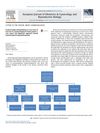 1 citations
,
February 2016 in “European Journal of Obstetrics & Gynecology and Reproductive Biology”
1 citations
,
February 2016 in “European Journal of Obstetrics & Gynecology and Reproductive Biology” This case study reports that medical imaging of the ovaries may not always conclusively identify the cause of postmenopausal hyperandrogenism, as demonstrated by a patient with a rare condition.
 May 2022 in “The Journal of Sexual Medicine”
 In this retrospective study at Toyama University Hospital, amoxapine was reported to significantly improve semen volume, sperm concentration, and total sperm count in 17 men with ejaculatory disorders, with no observed side effects over an average of 13 months of therapy.
 169 citations
,
August 2004 in “Baillière's best practice & research. Clinical obstetrics & gynaecology/Baillière's best practice and research in clinical obstetrics and gynaecology”
169 citations
,
August 2004 in “Baillière's best practice & research. Clinical obstetrics & gynaecology/Baillière's best practice and research in clinical obstetrics and gynaecology” This article discusses treatments for hirsutism and acne in women with polycystic ovary syndrome, suggesting that lower doses of current medications maintain efficacy while reducing cost and side effects, but reports no new clinical results.
November 2025 in “Journal of Rangpur Medical College” In this study from Bangladesh Medical University, researchers found strong correlations between symptoms such as oligomenorrhea and amenorrhea with bilateral polycystic ovarian morphology in women with PCOS, highlighting the link between clinical symptoms and ultrasound findings in predicting the severity of the condition.
November 2014 in “Clinical Neurophysiology” High doses of progesterone can reduce seizures in mice.