 January 2022 in “Research Square (Research Square)”
 This study found that elevated TSPEAR expression in colorectal cancer was associated with poor overall prognosis and correlated with tumor infiltrating immune cells, suggesting its potential as a predictive biomarker.
January 2026 in “Al-Furat Journal for Health and Medical Sciences” This study observed that individuals with alopecia areata who had the gut bacterium Enterococcus faecalis exhibited serum biomarker levels closer to healthy controls, suggesting potential benefits for hair growth and immune modulation through its immunoregulatory effects.
75 citations
,
August 2006 in “International Journal of Pharmaceutics” The eucalyptus oil system improved skin delivery of hormones, but safety concerns remain.
92 citations
,
May 2004 in “Journal of Investigative Dermatology”  April 2016 in “Annals of laboratory medicine”
 The researchers reported that epitestosterone treatment reduced eicosanoid levels generated by cyclooxygenases and lipoxygenases in rabbit liver samples with carrageenan-induced inflammation.
This study found that overexpression of antizyme in mice with activated MEK reduced skin tumor growth by inhibiting putrescine accumulation, slowing cell growth, and increasing G2/M transit time.
 11 citations
,
July 2001 in “APMIS. Acta pathologica, microbiologica et immunologica Scandinavica./APMIS”
11 citations
,
July 2001 in “APMIS. Acta pathologica, microbiologica et immunologica Scandinavica./APMIS” This review discusses the role of oestrogens in stimulating linear bone growth and pubertal changes in both boys and girls, highlighting their influence on the growth hormone-insulin-like growth factor axis; it reports no new clinical results.
 8 citations
,
May 2022 in “Orphanet Journal of Rare Diseases”
8 citations
,
May 2022 in “Orphanet Journal of Rare Diseases” This study reported that the Undiagnosed Disease Program at Ghent University Hospital successfully provided definite diagnoses for 18% of referred adults with suspected rare diseases, primarily through genomic technologies.
This study found a significant negative correlation between adrenal hormone DHEAS levels and ovarian volume in Greek women with polycystic ovary syndrome, though further clinical research is needed to confirm these results.
 6 citations
,
December 2004 in “Anais Brasileiros de Dermatologia”
6 citations
,
December 2004 in “Anais Brasileiros de Dermatologia” This study describes a family with loose anagen hair syndrome associated with macular dystrophy, suggesting this combination may represent a new disease entity among ectodermal dysplasias.
9 citations
,
October 1989 in “Australian Journal of Agricultural Research” This study found that infused mouse epidermal growth factor induced wool follicle involution through a quasi-physiological process similar to catagen and a separate pathological action, resulting in fleece 'break' or shedding.
 April 2017 in “Journal of Investigative Dermatology”
 This case study reports that a heterozygous missense GJA1 mutation, p.Gly138Ser, in a 2-year-old boy with oculodentodigital syndrome primarily resulted in syndactyly, fifth finger hypoplasia, and hypotrichosis, without neurological or craniofacial abnormalities.
October 2025 in “Journal of the Endocrine Society” In this case study, a 62-year-old woman with ovarian hyperthecosis experienced normalization of elevated testosterone levels and improvement in hirsutism and hair loss following bilateral salpingo-oophorectomy.
 8 citations
,
November 1990 in “Archives of Dermatology”
8 citations
,
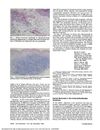
November 1990 in “Archives of Dermatology” This case report details a woman with eosinophilia-myalgia syndrome associated with L-tryptophan ingestion, highlighting skin lesions with abundant dermal mucin.
 2 citations
,
June 2017 in “Pediatric Dermatology”
2 citations
,
June 2017 in “Pediatric Dermatology” This case report describes a 2-year-old boy in critical condition who developed anagen effluvium, possibly due to hypotension and hypoxia triggering hair follicle apoptosis.
October 2024 in “Developmental Dynamics” This paper highlights advances in Developmental Dynamics, noting how epoa-deficient zebrafish can model Diamond-Blackfan anemia like disorders for drug screening, Alx4 mouse models offer insights into craniofacial development, and mTORC1 signaling is crucial for retinal development.
15 citations
,
August 1991 in “Histochemistry and Cell Biology” Enhancing Factor is found in growing tissues like young mouse intestines and skin but not in adults.
 49 citations
,
July 2009 in “Fitoterapia”
49 citations
,
July 2009 in “Fitoterapia” This study found that C. obtusa oils promoted hair growth in shaved mice and increased the expression of a hair growth regulator, VEGF, in a cell line.
 September 2014 in “Proceedings of SPIE, the International Society for Optical Engineering/Proceedings of SPIE”
 This study found that high-speed optical coherence tomography may be a promising non-invasive tool for analyzing human hair conditions.
5 citations
,
August 2021 in “Frontiers in Cell and Developmental Biology” This study found that DHEA along with osteogenic induction medium significantly promotes the osteogenic differentiation and proliferation of human bone marrow mesenchymal stem cells from older individuals.
52 citations
,
May 1997 in “Journal of Biological Chemistry” This study suggests that polyamines regulate CK2 enzyme activity and its subcellular distribution, as demonstrated in mouse models and cell cultures with elevated levels of ornithine decarboxylase.
This study found no significant differences in length of stay, mechanical ventilation use, or mortality between hospitalized bronchiectasis patients with and without obstructive sleep apnea.
December 2025 in “International Journal of Molecular Sciences” In this study, O. forskahlii seed oil was found to promote hair growth in rats and exhibit anti-aging effects on human skin cells by enhancing fibroblast proliferation and inhibiting inflammation and enzyme activity, indicating potential for cosmetic use.
 31 citations
,
November 2014 in “Journal of Endocrinological Investigation”
31 citations
,
November 2014 in “Journal of Endocrinological Investigation” This article reviews androgen excess and cardiometabolic risks in women, highlighting increased cardiovascular disease risk in those with polycystic ovary syndrome, but reports no new clinical results.
 September 2024 in “Journal of the American Academy of Dermatology”
 This study found that estetrol (E4) significantly prolonged the anagen phase and increased hair matrix keratinocyte proliferation in cultured human hair follicles, suggesting its potential as a treatment for female pattern hair loss.
2 citations
,
February 2023 in “F&S Reports” This study found that elagolix treatment did not normalize the ovulatory cycle in patients with polycystic ovarian syndrome.
 July 2022 in “The journal of investigative dermatology/Journal of investigative dermatology”
 This case study reports that a 26-year-old woman with epidermolysis bullosa prurogompsa also presented with unique findings of co-existing muscular dystrophy and immune-based myasthenia gravis, with significant improvement following steroid treatment.
 June 2013 in “D-Scholarship@Pitt (University of Pittsburgh)”
 This article discusses the development of an interactive workbook by OCCAM to help cancer patients communicate their use of complementary and alternative medicine with healthcare providers and reports no clinical results.
July 2025 in “Dermatology Reports” This report presents a rare case of discoid lupus erythematosus in a Saudi woman, highlighting the need for dermatologists to recognize atypical presentations to prevent misdiagnosis and treatment delays.