 3 citations
,
January 2013 in “Annals of Tropical Medicine and Public Health”
3 citations
,
January 2013 in “Annals of Tropical Medicine and Public Health” In this study, adolescent females who were born via cesarean delivery, had at least one erupted wisdom tooth, or had central obesity were more likely to develop polycystic ovarian syndrome.
119 citations
,
August 2010 in “Journal of Investigative Dermatology” This study reports that 11β-HSD1 activity in human skin increases with age and photoexposure, potentially contributing to skin aging and the effects of glucocorticoids.
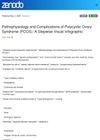 May 2026 in “Zenodo (CERN European Organization for Nuclear Research)”
 This infographic reviews the pathophysiology and complications of PCOS, illustrating how genetic and environmental factors contribute to its development, and highlights associated metabolic and neuroendocrine effects.
 5 citations
,
November 2020 in “EBioMedicine”
5 citations
,
November 2020 in “EBioMedicine” This study reports a novel diagnostic method for latent circadian rhythm sleep-wake disorder using circadian gene oscillations from hair follicle cells to improve sleep disorder differentiation and potential therapeutic intervention.
 13 citations
,
June 2018 in “Journal of Womens Health”
13 citations
,
June 2018 in “Journal of Womens Health” This study found that in women with PCOS, suppressive therapy using spironolactone plus oral contraceptives improved hirsutism more effectively than either treatment alone, with initial scores predicting success.
May 2026 in “International Journal of Pharmaceutical Quality Assurance” This study reported that among 95 women with polycystic ovarian syndrome at a tertiary care hospital in India, menstrual irregularities were the most common issue, affecting 86.3% of participants, with many also experiencing hyperandrogenic symptoms, obesity, and infertility.
 32 citations
,
February 2017 in “Human Reproduction”
32 citations
,
February 2017 in “Human Reproduction” This study found that women with PCOS were more likely to have longer anogenital distances, indicating possible intrauterine origins linked to prenatal androgen exposure.
January 2012 in “The Journal of Qazvin University of Medical Sciences” This study examined the prevalence of polycystic ovary syndrome phenotypes among adolescent females in Shiraz, finding a notable presence of different symptoms and emphasizing the need for early detection.
 July 2026 in “Journal of Ovarian Research”
 In this study, researchers used single-cell RNA sequencing to identify seven cell types, including distinct steroidogenic and immune cells, in the tumor microenvironment of a case of ovarian SCT-NOS, providing insights into its cellular heterogeneity and molecular mechanisms related to hyperandrogenism.
6 citations
,
August 2024 in “BMC Ophthalmology” This study identified multiple genetic variants in Pakistani families with oculocutaneous albinism, including two novel variants, enhancing understanding of its genetic basis and aiding better management and counseling.
January 2026 in “AIMS Public Health” This abstract describes the approval of a study by the Japan Registry of Clinical Trials and the North South University Institutional Review Board, but it does not report any results or conclusions.
 July 2021 in “International Journal of Homoeopathic Sciences”
 This article discusses the role of Psoric and Sycotic miasms in the development of Polycystic Ovarian Syndrome through neuro-hormonal pathways, and it emphasizes rubrics for treatment, reporting no new clinical findings.
April 2020 in “Research Square (Research Square)” This study found that oral contraceptives containing cyproterone acetate improved the overall quality of life in PCOS patients more than those containing levonorgestrel after 6 months of treatment.
37 citations
,
October 2024 in “JAMA Network Open” This study found that among reproductive-age women across India, there was a high prevalence of PCOS, with phenotype C being predominant and most women exhibiting metabolic abnormalities, highlighting the importance of integrating PCOS management into national health strategies.
 2 citations
,
May 2024 in “Journal of science and medicine in sport”
2 citations
,
May 2024 in “Journal of science and medicine in sport” This position statement reviews the role of exercise professionals in managing PCOS and provides recommendations for physical activity, but it reports no new clinical findings.
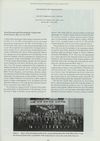 February 1996 in “International Journal of Dermatology”
 This article offers a summary of the Seoul International Dermatology Symposium held in May 1995, but reports no new clinical findings.
 150 citations
,
October 2012 in “Clinical Endocrinology”
150 citations
,
October 2012 in “Clinical Endocrinology” In this retrospective cohort study, women with polycystic ovary syndrome showed high incidence and age-specific prevalence rates of type 2 diabetes, myocardial infarction, and angina, particularly in those over 65.
 October 2023 in “Journal of the Endocrine Society”
 In this study, distinct androgen excess subtypes were identified in women with PCOS, with the adrenal androgen excess cluster showing significantly higher rates of insulin resistance and type 2 diabetes, suggesting 11-oxygenated androgens as potential drivers of metabolic risk.
 August 2024 in “Medicine”
 This study found that medroxyprogesterone acetate and ethinyl estradiol with drospirenone were the most frequently prescribed medications for PCOS, with some patients experiencing drug changes or discontinuation due to side effects or therapeutic failure.
 October 2025 in “Pielegniarstwo XXI wieku / Nursing in the 21st Century”
 This review discusses the effectiveness and mechanisms of combined oral contraceptives in treating acne vulgaris but reports no new clinical results; the authors highlight their antiandrogenic effects for managing acne and related endocrine disorders.
 January 2020 in “International Journal of Medical Research and Health Sciences”
 This study discusses the prevalence of PCOS risk factors among female students at Northern Border University but reports no new clinical results, emphasizing the need for awareness and further investigations.
June 2025 in “DiRROS repository (University of Maribor)” This study aimed to identify the factors that influence the clinical severity of scalp seborrheic dermatitis, although specific results are not reported.
 10 citations
,
February 2022 in “JMIR Dermatology”
10 citations
,
February 2022 in “JMIR Dermatology” This systematic review indicates that patients with Down syndrome have an increased prevalence of various dermatologic disorders, especially infectious, inflammatory, autoimmune, and connective tissue conditions.
 May 2024 in “Journal of drug delivery and therapeutics”
 This study found that women with polycystic ovarian syndrome at a gynecology clinic in Nnewi exhibited significant oxidative stress and hormonal imbalances compared to controls.
 January 1977 in “Case Reports in Medicine”
 This article discusses ovarian steroid cell tumors, which can produce testosterone and manifest symptoms like hirsutism, emphasizing surgery as the primary treatment, but reports no new clinical findings.
 42 citations
,
June 2015 in “Gynecological Endocrinology”
42 citations
,
June 2015 in “Gynecological Endocrinology” This article reviews the psychological, social, and biological impacts of polycystic ovary syndrome on women of reproductive age and reports no new experimental results.
 November 2025 in “Fertility Gynecology and Andrology”
 This study highlights that polycystic ovary syndrome develops through genetic and environmental factors, with insulin resistance as a key mechanism, impacting the risk of metabolic and cardiovascular conditions.
 926 citations
,
June 2010 in “BMC Medicine”
926 citations
,
June 2010 in “BMC Medicine” This review emphasizes the need for comprehensive guidelines to address the cardiometabolic and psychological features of polycystic ovary syndrome, alongside its reproductive aspects, and reports no new results.
 221 citations
,
January 2014 in “Human Reproduction”
221 citations
,
January 2014 in “Human Reproduction” This study found that the prevalence of polycystic ovary syndrome was 16.6% with Rotterdam criteria but decreased to 6.3% or 8.5% when using alternative criteria involving antral follicle count or anti-Müllerian hormone.
 53 citations
,
September 2014 in “Reproductive Biology and Endocrinology”
53 citations
,
September 2014 in “Reproductive Biology and Endocrinology” This study observed that among women with polycystic ovary syndrome, those with the most severe phenotype showed the highest levels of metabolic disturbances, indicating the need for metabolic screening in these cases.