 January 2017 in “Journal of Investigative Dermatology Symposium Proceedings”
 This report discusses the Ninth World Congress for Hair Research and highlights the potential of hair follicle studies to advance understanding of various diseases, with no new clinical results presented.

In this study, nearly 38% of Saudi women with PCOS reported extremely severe depression and extreme anxiety, with higher rates linked to young age, divorce, lifestyle advice, and higher BMI.
November 2024 in “Revista de Investigación y Educación en Ciencias de la Salud (RIECS)” In this case study, a 7-year-old girl was diagnosed with Isolated Premature Pubarche after presenting with pubic hair growth and normal hormonal and bone age assessments.
 December 2025 in “Journal of Food Innovation, Nutrition, and Environmental Sciences”
 This study evaluated the effects of sun drying and solar drying on Chaya leaves, finding that solar drying better preserves chlorophyll and phytochemicals while maintaining comparable nutritional quality to sun drying, suggesting its adoption could improve shelf life and maintain quality in areas without refrigeration.
 December 2023 in “Journal of nutritional science and vitaminology”
 This study in mice found that a zinc-deficient diet suppressed body weight gain and increased kidney and cecum tissue weight without decreasing serum alkaline phosphatase activity. Additionally, zinc deficiency caused alopecia and intestinal changes in C57BL/6J mice, potentially affecting nutritional status.
 16 citations
,
March 2007 in “The Veterinary clinics of North America. Food animal practice”
16 citations
,
March 2007 in “The Veterinary clinics of North America. Food animal practice” This article discusses misconceptions around mineral nutrition in beef cattle and emphasizes that sub-clinical deficiencies or toxicities, rather than overt symptoms, often cause economic losses, but it reports no new findings.
 November 2024 in “International Journal of Agricultural Invention”
 This review highlights the therapeutic properties and nutritional value of amla (Phyllanthus emblica), noting its high vitamin C content and diverse pharmacological activities, including antidiabetic and antioxidant effects, as evidenced in traditional medicine practices.
 January 2021 in “Middle East journal of applied sciences”
 This article discusses the widespread issue of zinc deficiency affecting plant, animal, and human health, and reports no new clinical results; the authors emphasize the need for adequate zinc availability in agriculture and nutrition.
 9 citations
,
May 2015 in “Cardiology Clinics”
9 citations
,
May 2015 in “Cardiology Clinics” This review discusses the timing and management of dyslipidemia screening around pregnancy and emphasizes dietary, exercise, and glycemic interventions during pregnancy without reporting new clinical outcomes.
 3 citations
,
February 2016 in “Endocrinology and Metabolism Clinics of North America”
3 citations
,
February 2016 in “Endocrinology and Metabolism Clinics of North America” This review discusses the timing and management of dyslipidemia screening and intervention in pregnancy and highlights the need for lipid profile assessments each trimester; it reports no clinical results.
 5 citations
,
May 2023 in “Frontiers in immunology”
5 citations
,
May 2023 in “Frontiers in immunology” This review discusses how environmental factors like lifestyle, nutrition, and vitamin deficiencies may influence autoimmune diseases such as MS, SLE, and AA, highlighting associations with vitamin D levels and dietary interventions, but notes a lack of conclusive evidence for their roles in disease pathogenesis.
 2 citations
,
January 2014
2 citations
,
January 2014 This study highlights the use of data mining techniques to identify malnutrition and nutritional deficiencies contributing to global health burdens, but it presents no new research findings.
 2 citations
,
November 1995 in “American Journal of Obstetrics and Gynecology”
2 citations
,
November 1995 in “American Journal of Obstetrics and Gynecology” This article reviews the need for multicenter clinical trials to establish reference data for ultrasound screening protocols for Down syndrome and reports no new findings.
 February 2024 in “International Journal of Scientific Research in Science and Technology”
 This literature review outlines the traditional uses, nutritional composition, and bioactive compounds of pomegranate plants, highlighting their varied pharmacological actions such as antibacterial, antiviral, anticancer, and antioxidant effects, and discusses the peel's chemical composition and toxicology.
 44 citations
,
August 2017 in “Food Bioscience”
44 citations
,
August 2017 in “Food Bioscience” This study found that betasitosterol-loaded nanostructured lipid carriers, when added to butter, improved its nutritional profile and antioxidant properties, maintaining stability over a three-month storage period.
 January 2026 in “Dermatology Review”
 In this study, the authors highlighted that celiac disease can have various skin manifestations such as dermatitis herpetiformis and psoriasis, which may precede or occur without digestive symptoms, stressing the importance of screening in patients with unexplained dermatoses.
 October 2025 in “Frontiers in Molecular Biosciences”
 This source critically examines Bruce Ames's influential contributions to biochemistry, particularly his theories on oxidative stress and mitochondrial DNA damage in aging, while acknowledging current challenges to his work and highlighting his lasting impact on the fields of mutagen screening and public health.
 February 2025 in “Journal of Nutrients”
 This research reviews the scientific literature on bone broth extract, exploring its nutritional composition, potential health benefits, food industry applications, and risks such as heavy metal and antibiotic contamination. Results are not reported in this summary.
 15 citations
,
May 2010 in “Actas Dermo-Sifiliográficas”
15 citations
,
May 2010 in “Actas Dermo-Sifiliográficas” This study found that men with early-onset androgenetic alopecia had a higher prevalence of metabolic syndrome and carotid atheromatous plaques than control subjects, suggesting a need for cardiovascular screening in this group.
 11 citations
,
February 2021 in “Trends in Food Science and Technology”
11 citations
,
February 2021 in “Trends in Food Science and Technology” This review explores the potential of edible flowers, particularly the genus Impatiens, for their chemical, nutritional, and bioactive properties but does not report new clinical findings.
 3 citations
,
September 2024 in “Journal of Pre-Clinical and Clinical Research”
3 citations
,
September 2024 in “Journal of Pre-Clinical and Clinical Research” This study reviews the current understanding of psychiatric disorders in women with PCOS, finding links to the gut-brain axis, neurotransmitter and neuroendocrine dysfunction, and suggests the need for routine mental health screening in these patients.
 2 citations
,
January 2019 in “Medizinische Genetik”
2 citations
,
January 2019 in “Medizinische Genetik” Among families with pediatric brain disease, this study identified over 200 novel genetic causes, revealing potential treatment points using drug repurposing or nutritional supplementation.
 2 citations
,
July 2018 in “Elsevier eBooks”
2 citations
,
July 2018 in “Elsevier eBooks” This review discusses commonly used dietary supplements for hair growth and highlights the lack of evidence supporting their efficacy and safety in the absence of nutritional deficiency; it reports no new research results.
 May 2025 in “The Journal of Rheumatology”
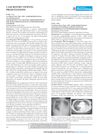
 This case report describes a 47-year-old woman with dilated cardiomyopathy as the first sign of primary antiphospholipid syndrome, highlighting the need for APS screening in similar patient presentations.
 December 2024 in “Ankara Universitesi Eczacilik Fakultesi Dergisi”
 This review highlights Nigella sativa L. (black cumin) as a plant with numerous health benefits, noting its rich nutritional profile and reported therapeutic effects such as antioxidant and anti-inflammatory activities, identified through various in vitro, in vivo, and clinical research studies.
 June 2024 in “Biological and Clinical Sciences Research Journal”
 In this study, researchers found that women with PCOS and thyroid dysfunction had significantly altered T3 and T4 hormone levels and more frequent symptoms like weight gain and irregular menstrual cycles, suggesting the importance of thyroid screenings for personalized treatment strategies.
 January 2024 in “Wiadomości Lekarskie”
 In this study, researchers analyzed the clinical phenotype and primary pathogenic links in patients who survive the acute phase of a critical illness and rely on prolonged intensive care, finding that these patients show persistent inflammation, nutritional deficiencies, and other chronic complications over time.
 23 citations
,
March 2010 in “Actas Dermo-Sifiliográficas”
23 citations
,
March 2010 in “Actas Dermo-Sifiliográficas” In this study, early-onset androgenetic alopecia in men was associated with a higher prevalence of metabolic syndrome and carotid atherosclerosis compared to controls, suggesting cardiovascular screening might be beneficial for this group.
 62 citations
,
January 2013 in “Skin Pharmacology and Physiology”
62 citations
,
January 2013 in “Skin Pharmacology and Physiology” This study found that low serum ferritin and vitamin D2 levels are associated with hair loss in females with chronic telogen effluvium and female pattern hair loss, suggesting potential benefits of screening and supplementation.
 56 citations
,
April 2015 in “American journal of medical genetics. Part A”
56 citations
,
April 2015 in “American journal of medical genetics. Part A” This study reports on eight previously unpublished cases of Bohring-Opitz syndrome with ASXL1 mutations, suggesting the importance of screening for Wilms tumors in these patients.