13 citations
,
February 2024 in “Clinical Cosmetic and Investigational Dermatology” This study demonstrated that intradermal treatment with a medical device using Polynucleotides High Purification Technology (PN HPT) significantly improved skin surface, firmness, pigmentation, and radiance in 30 Asian subjects, with benefits lasting up to six months and no adverse events reported.
14 citations
,
March 2019 in “European journal of pharmaceutics and biopharmaceutics” This study observed that proretinal nanoparticles delivered significantly higher concentrations of retinal to the stratum corneum and hair follicles compared to non-particulate forms, potentially improving topical retinoid therapy.
February 2026 in “Advanced Science” This study found that the combination of TTNPB and CHIR99021 enhanced the derivation of highly advanced neural stem cells from human pluripotent stem cells, with improved chromatin accessibility and neuroectodermal gene expression, and these cells successfully engrafted in rat hippocampi to ameliorate depression-like symptoms.
 286 citations
,
January 2009 in “Human Reproduction Update”
286 citations
,
January 2009 in “Human Reproduction Update” This study reports that NIH PCOS is linked to more severe metabolic issues, including higher obesity and insulin resistance, compared to non-NIH PCOS phenotypes.
 June 2023 in “medRxiv (Cold Spring Harbor Laboratory)”
 This study found that nociplastic type pain is a complex and heritable trait, with significant genetic overlap with multisite chronic pain and some connection to rheumatoid arthritis and a neuropathic pain phenotype.
8 citations
,
March 2025 in “Journal of Drug Delivery Science and Technology” Dissolvable microneedles are a promising, painless method for effective skin treatments.
43 citations
,
March 2017 in “Drug Design Development and Therapy” The researchers reported that a new nanoformulation of paclitaxel-loaded nanoparticles showed superior antitumor effects against malignant melanoma in vitro and in vivo compared to the commercial formulation Taxol®.
 October 2016 in “Journal of the Dermatology Nurses’ Association”
 This update discusses guidelines for dermatology nurses and nurse practitioners on polycystic ovary syndrome but presents no new research findings; it emphasizes their role in early diagnosis through recognizing skin symptoms.
 November 2022 in “International Journal of General Medicine”
 This study found that non-alcoholic fatty pancreas disease is significantly more prevalent in women with polycystic ovary syndrome, and is associated with metabolic syndrome, insulin resistance, and hyperandrogenism.
33 citations
,
May 2017 in “Journal of Clinical Oncology” This phase I study reported that ETC-159, targeting Wnt signalling, showed tolerable safety profiles at doses that inhibit its pathway, though bone turnover markers increased, warranting early and regular monitoring. No tumor responses were observed, but two patients achieved stable disease for several cycles.
32 citations
,
March 2018 in “Neoplasia” This study suggests that nephronectin (NPNT) could serve as a novel prognostic marker for poor prognosis in a subgroup of breast cancer patients, associated with specific NPNT staining patterns.
 59 citations
,
October 2012 in “Pharmaceutical Research”
59 citations
,
October 2012 in “Pharmaceutical Research” This study found that nanostructured lipid carriers with more soybean phosphatidylcholine provided better skin retention and follicular targeting for diphencyprone compared to other formulations and controls.
 April 2023 in “Journal of Investigative Dermatology”
 This study found that NIMP-R14-conjugated nanoparticles, loaded with roflumilast, effectively targeted neutrophils to reduce inflammation and improve symptoms in a mouse model of psoriasiform dermatitis, suggesting potential for targeted therapy in autoimmune skin diseases.
 January 2025 in “RSC Pharmaceutics”
 Smart microneedles using advanced tech could improve psoriasis treatment.
November 2025 in “ACS Applied Materials & Interfaces” This study found that in a mouse model of androgenetic alopecia, topical application of finasteride-loaded Platycladi cacumen-derived nanovesicles improved hair regrowth more effectively than minoxidil.
 15 citations
,
December 2016 in “Advanced Pharmaceutical Bulletin”
15 citations
,
December 2016 in “Advanced Pharmaceutical Bulletin” This study found that N-acetyl-glucosamine-loaded nanostructured lipid carriers showed promise for skin lightening in healthy volunteers by reducing melanin distribution.
 5 citations
,
December 2018 in “Biological & Pharmaceutical Bulletin”
5 citations
,
December 2018 in “Biological & Pharmaceutical Bulletin” In this study, norgalanthamine was found to stimulate hair growth in cultured rat dermal papilla cells by activating the ERK 1/2, PI3K/AKT, and Wnt/β-catenin signaling pathways.
February 2024 in “Biomedicines” This study found that NKB placental mRNA expression was higher in women with PCOS, particularly in pregnancies with female offspring, suggesting its involvement in PCOS-related placental dysfunction.
 47 citations
,
November 2012 in “Pharmaceutical research”
47 citations
,
November 2012 in “Pharmaceutical research” This study found that surface modified nanoparticles showed increased skin permeation and improvement in allergic contact dermatitis, independent of the follicular pathway.
April 2026 in “Expert Opinion on Biological Therapy” This review discusses prurigo nodularis and reports no new results, emphasizing the need for further research into its pathophysiology and treatment options.
19 citations
,
October 2016 in “Nutrition in clinical practice” This article provides guidelines by ASPEN for managing parenteral nutrition shortages but reports no new clinical findings.
3 citations
,
April 2025 in “International Journal of Pharmaceutics” Nanocrystals improve alopecia areata treatment by better targeting hair follicles.
 April 2026 in “Biomolecules”
 This review highlights recent advancements in molecular understanding and treatment approaches for PCOS, including innovative drug delivery systems and AI-driven precision medicine, but provides no new clinical results.

This review examines the potential of Parquetina nigrescens for managing Polyendocrine Metabolic Ovarian Syndrome, emphasizing its pharmacological activities and highlighting its promise as an affordable complementary therapy.
July 2024 in “Journal of Investigative Dermatology” Certain substances can help skin cells become anti-inflammatory, aiding in tissue repair.
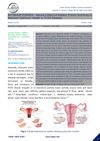 January 2020 in “Asian Journal of Basic Science & Research”
 This review discusses the role of Nutrease powder in managing hormonal disturbances in polycystic ovary syndrome and reports no new clinical results.
2 citations
,
April 2014 in “PubMed” This rat study found that a PLGA conduit filled with neural crest stem cells derived from hair follicles showed promising results in repairing peripheral nerve injuries, partially restoring sensory function and improving nerve structure.
January 2020 in “ScholarWorks (Central Washington University)” This study suggests that NAG-1 overexpression may prevent some metabolic dysfunctions linked to polycystic ovary syndrome in a mouse model.
 7 citations
,
January 2025 in “Archives of Gynecology and Obstetrics”
7 citations
,
January 2025 in “Archives of Gynecology and Obstetrics” In this review, the authors aim to improve the differential diagnosis between hyperandrogenic PCOS and NCAH, which could lead to more personalized treatment strategies for patients experiencing hyperandrogenism.
14 citations
,
February 2014 in “Nutrition in Clinical Practice” This A.S.P.E.N. document offers guidance for managing parenteral nutrition shortages, emphasizing alternative routes and careful allocation to prevent deficiencies.