8 citations
,
January 2017 in “Journal of Biological Chemistry” This study found that astrotactin-2 undergoes unique intramembrane proteolysis during maturation, revealing specific transmembrane topologies and substrate sequence requirements for cleavage.
 5 citations
,
December 2017 in “The Journal of Dermatology”
5 citations
,
December 2017 in “The Journal of Dermatology” This report describes a unique case of Schöpf–Schulz–Passarge syndrome in a Taiwanese man linked to a previously unreported homozygous WNT 10A mutation, underscoring its role in ectodermal dysplasia.
4 citations
,
October 2023 in “Children” This study diagnosed a group of six girls with various ectodermal abnormalities, identifying cranio-skeletal malformations consistent with focal dermal hypoplasia (Goltz syndrome), and found heterozygous mutations in the PORCN gene in two children.
5 citations
,
November 2021 in “The journal of investigative dermatology/Journal of investigative dermatology” This study found that inhibiting Wnt/β-catenin signaling disrupted hemidesmosome organization in keratinocytes, suggesting potential therapeutic targets for HD-defective diseases like epidermolysis bullosa.
22 citations
,
March 2023 in “Bioengineering” This review discusses stem cell therapy as a promising treatment for epidermolysis bullosa, highlighting preliminary successes in treating skin lesions but noting the need for further research on effectiveness and safety.
 1 citations
,
January 2025 in “BIO Integration”
1 citations
,
January 2025 in “BIO Integration” This review highlights that the combination of ultrasound and microneedles can enhance transdermal drug delivery by using physical and energy-driven mechanisms to improve drug penetration into deeper skin layers, with implications for precision medicine and chronic disease treatments.
 1 citations
,
October 2017 in “Dermatologic Clinics”
1 citations
,
October 2017 in “Dermatologic Clinics” In this review, the authors discussed how men seek cosmetic procedures for distinct reasons compared to women, emphasizing the need for dermatologists to consider male-specific desires for discrete treatments with minimal downtime and differences in psychological motivations.
 February 2026 in “Plastic and Aesthetic Research”
 This narrative review examines advancements in regenerative aesthetic medicine, focusing on injectable modalities like PRP, polynucleotides, and exosomes, but highlights the need for more robust evidence and standardization in clinical applications.
 January 2026 in “Archive ouverte UNIGE (University of Geneva)”
 This narrative review examined skin-sparing techniques in gynecomastia surgery and found satisfactory thoracic remodeling with acceptable morbidity and reduced scarring, but acknowledged methodological differences that limit decisive conclusions.
 July 2025 in “International Journal of Dermatology Venereology and Leprosy Sciences”
 This review explores the potential of microneedling as a drug delivery system for treating melasma, focusing on its mechanisms, safety, efficacy, and clinical advantages over conventional therapies like hydroquinone and lasers.
This source reviews advancements in microneedle-based cosmeceutical delivery, discussing new technologies and highlighting a burgeoning area of research involving microneedling combined with stem cell delivery for anti-aging, without finding measurable changes in skin barrier function or appearance during the study period.
5 citations
,
May 2014 in “Clinical and Experimental Dermatology” This study found that novel compound heterozygous mutations in the desmoplakin gene lead to hair shaft abnormalities and can result in lethal cardiomyopathy.
This case study reports that early genetic testing and targeted therapies, such as secukinumab, can significantly improve skin barrier function in patients with Netherton syndrome, despite persistent symptoms.
 23 citations
,
December 2013 in “British Journal of Dermatology”
23 citations
,
December 2013 in “British Journal of Dermatology” This study identified a new PNPLA1 mutation in a Spanish family with autosomal recessive congenital ichthyosis.
150 citations
,
June 1999 in “Oncogene” 
This study found that overexpression of erythropoietin disrupted hair growth in mice by affecting dermal fat lipogenesis and lipolysis, leading to poor hair follicle development and truncal alopecia.
15 citations
,
October 1976 in “Biochemical Journal” This study found that Naked trait mice exhibit a decrease in certain low-molecular-weight proteins in their hair, which contain high levels of glycine and tyrosine, compared to normal mice.
 6 citations
,
January 2014 in “Clinical hemorheology and microcirculation”
6 citations
,
January 2014 in “Clinical hemorheology and microcirculation” This report presents a case of hereditary elliptocytosis in a 37-year-old woman with iron deficiency anemia, identifying a high percentage of elliptocytes in her blood after treatment.
July 2026 in “Journal of Investigative Dermatology”  February 2024 in “Journal of Investigative Dermatology”
 In this study, the deletion of NIPP1 in keratinocytes led to chronic skin inflammation and epidermal changes in mice, with early cell-cycle arrest and premature senescence observed, potentially contributing to reduced mutagen sensitivity.
39 citations
,
November 2007 in “Journal of Histochemistry & Cytochemistry” This study found that in neonatal mice, the absence of the NG2 proteoglycan leads to reduced epidermal thickness and delayed subcutis thickening due to impaired proliferation and adipocyte deficiencies.
October 2009 in “The American Journal of Gastroenterology” This case report suggests that isolated amylase deficiency can lead to failure to thrive in children, and pancreatic enzyme supplementation may improve associated symptoms.
39 citations
,
December 2012 in “The American Journal of Human Genetics” This study identified mutations in the SNRPE gene that may disrupt hair growth, linking a spliceosome component to hereditary hair loss disorders.
22 citations
,
May 2007 in “Molecular Biotechnology”  101 citations
,
August 2010 in “PLoS ONE”
101 citations
,
August 2010 in “PLoS ONE” In this mouse study, severe selenoprotein deficiency in epidermal cells was linked to skin abnormalities, disrupted hair follicle development, and progressive alopecia, highlighting the role of selenoproteins in skin and hair health.
 April 2015 in “Experimental Dermatology”
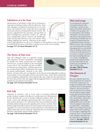
 Melanoma risk tools need improvement, certain gene mutations cause skin diseases and could be treated by targeting those mutations, skin wrinkling may relate to lung aging due to genetic factors, and oxidative stress affects hair loss but can be reduced in low oxygen.
46 citations
,
September 2007 in “Journal of Investigative Dermatology”  January 2023 in “Springer eBooks”
 This review discusses the causes, characteristics, and current management strategies for epidermolysis bullosa, emphasizing that while experimental therapies show promise, there are no definitive cures.
12 citations
,
April 2004 in “PubMed” This study reports the first known case of multiple type nevus lipomatosus cutaneous superficialis in a 10-month-old girl, with the unique feature of perifollicular fibrosis.
 May 2015 in “Journal of Investigative Dermatology”
 Melanoma risk tools need improvement, a gene mutation causes a hair disorder that might be treated by managing cell stress, a potential therapy for a skin-ear disorder involves blocking cell channels, skin wrinkling may indicate lung aging regardless of smoking, and oxidative stress might contribute to common baldness.