 July 2025 in “JOURNAL OF CLINICAL AND BIOMEDICAL SCIENCES”
 This study describes a case in which a 24-year-old woman with PCOS symptoms, including irregular menstruation and excessive hair growth, showed significant improvement in androgen levels, menstrual regularity, and hair reduction after undergoing a nine-month Ayurvedic treatment plan with dietary and lifestyle modifications.
13 citations
,
December 2001 in “Journal of Investigative Dermatology” This study demonstrated that the tracheal xenotransplant procedure is an effective technique for assessing the invasiveness of epidermal keratinocytes and studying factors affecting hair follicle formation.
 3 citations
,
October 2024 in “Reproductive Sciences”
3 citations
,
October 2024 in “Reproductive Sciences” In this study focused on reproductive-aged women assessed for polycystic ovary syndrome under NIH 1990 criteria, only 15.4% with menstrual dysfunction required androgen measurements, and just one-quarter of these showed elevated androgen levels.
This study found no differences in psychopathic traits between women with and without polycystic ovary syndrome, challenging the proposed link between testosterone levels and psychopathy.
 February 2023 in “International Journal of Multimedia Computing”
 In this study, improved hidden Markov algorithms based on Bayesian methods enhanced the resolution and segmentation accuracy of low-dose CT images significantly more than naive Bayesian methods.
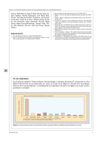
The document corrects a mistake by stating that pimecrolimus, not tacrolimus, is the drug that concentrates in the skin.
 August 2015 in “Postgraduate obstetrics & gynecology”
 This article discusses the unapproved use of metformin for treating polycystic ovary syndrome; it provides educational content for physicians but reports no new clinical results.
 March 2026 in “Zenodo (CERN European Organization for Nuclear Research)”
 This publication presents a library of precision geometric medicines that reportedly kill harmful bacteria and fungi while sparing beneficial organisms, using a delivery system that targets pathogens specifically and avoids ecological harm.
 April 2021 in “Interciencia médica”
 This article reviews the complex nature and diagnostic criteria of polycystic ovary syndrome, and discusses its treatment options without reporting any new clinical results.
 July 2019 in “International Journal of Advance Research in Community Health Nursing”
 This study observed that, among women in Padgampora Village, J&K, aged 15-45, 42.5% had PCOS between ages 15 and 25, with clinical signs like irregular cycles, obesity, acne, and more, highlighting the need for increased awareness and early intervention.
 August 2020 in “International research journal of pharmacy”
 This study found that lifestyle interventions, along with regular medication, improved the quality of life for women with PCOS.
 May 2026 in “International Journal of Drug Delivery Technology”
 This study reports that using machine learning models, particularly XGBoost and Random Forest, can accurately predict PCOS phenotypes based on non-invasive data, with cycle length as the most significant predictor.
21 citations
,
November 2017 in “Cochrane library” This study concluded that laparoscopic ovarian drilling does not clearly improve menstrual regularity or androgenic symptoms in PCOS compared to most medical treatments, but it may have fewer gastrointestinal side effects than metformin plus clomiphene.
 10 citations
,
November 2010 in “Journal of Pharmacy Practice”
10 citations
,
November 2010 in “Journal of Pharmacy Practice” This article discusses polycystic ovary syndrome, highlighting treatment approaches for managing insulin resistance, hyperandrogenism, and fertility issues, but reports no new clinical results.
 2 citations
,
January 2008 in “Journal of Society of Cosmetic Chemists of Japan”
2 citations
,
January 2008 in “Journal of Society of Cosmetic Chemists of Japan” PMS nanoparticles improve damaged hair by protecting and restoring its surface and color.
February 2026 in “Advanced Science” This study found that targeting the p300/androgen receptor axis effectively reduced AR activation and ovarian fibrosis in mouse models of polycystic ovary syndrome, suggesting a potential therapeutic approach.
2 citations
,
October 2023 in “Cancer Reports” This study found that colorectal cancer patients could be categorized into two groups based on mitochondrial-related gene features, with distinct survival outcomes and tumor microenvironment characteristics, suggesting these features could inform individualized treatment plans.
 January 2023 in “Austin Journal of Obstetrics and Gynecology”
 This study found that in a sample of girls and adolescents aged 15–24 years, the prevalence of PCOS was 22.5% according to the Rotterdam criteria.
 6 citations
,
February 2021 in “Journal of Ovarian Research”
6 citations
,
February 2021 in “Journal of Ovarian Research” In this study, 150 kHz electromagnetic radiation reduced the number and size of follicular cysts in a rat model of polycystic ovary syndrome without causing significant morphological damage to developing follicles.
44 citations
,
September 2020 in “International Journal of Molecular Sciences” This review discusses the disruption of hormonal and metabolic rhythms in polycystic ovary syndrome and explores potential drug targets to address its molecular causes, without providing new clinical results.
 1 citations
,
December 2012 in “Journal of Dermatological Treatment”
1 citations
,
December 2012 in “Journal of Dermatological Treatment” This study suggests that peri-incisional triamcinolone acetonide may subtly benefit wound edge apposition in low-tension scalp regions during hair restoration surgery, but shows no statistically significant overall effect.
 March 2026 in “Journal of Skin and Stem Cell”
 In this study, lower serum adiponectin levels and altered lipid profiles were observed in patients with periorbital melanosis, suggesting an association with metabolic syndrome.
223 citations
,
June 2018 in “Human Reproduction Update” This study concluded that including ovarian morphology in the diagnosis significantly increases the estimated prevalence of PCOS, revealing substantial variability due to clinical criteria and diagnostic cut-offs.
9 citations
,
January 2015 in “Medical hypotheses” This report suggests that TCDD may alter human epidermal stem cell populations by upregulating c-Myc, potentially leading to increased stem cell turnover during chloracne development.
 1 citations
,
July 2023 in “Nature communications”
1 citations
,
July 2023 in “Nature communications” This study found that deleting the Mof gene in mouse skin leads to severe defects in skin cell self-renewal, differentiation, and hair follicle growth, indicating that MOF is crucial for mitochondrial and ciliary gene expression and essential for skin development.
This study introduced Cadd4, a peptide-based degrader developed using computer-aided drug design, which effectively reduced PCSK9 levels and increased LDL receptor expression, resulting in decreased plasma cholesterol and LDL-C levels in hypercholesterolemic mice, without liver toxicity.
28 citations
,
September 2014 in “Journal of Veterinary Internal Medicine” This study found that the novel drug VDC-1101 showed a 45% objective response rate in treating canine cutaneous T-cell lymphoma, offering a potential treatment option for this challenging disease.
October 2022 in “Hair Transplantation” This article discusses the temporary scalp trichopigmentation procedure, detailing its unique approach compared to traditional scalp micropigmentation, and reports no new clinical findings.
35 citations
,
August 2021 in “BMC Medical Genomics” This study found that serum metabolic profiles differ significantly between polycystic ovary syndrome patients and healthy controls, highlighting potential metabolic markers for diagnosing and prognosing PCOS.
May 2026 in “Frontiers in Reproductive Health” This narrative review reported that a variety of lifestyle-based interventions, such as specific dietary changes and physical activity, along with adjunctive therapies, have potential benefits in managing metabolic and hormonal outcomes in women with PCOS, although the variable study quality suggests further research is needed.