Search
for
Sort by
Research
30-60 / 1000+ resultsresearch Minoxidil

research Minoxidil
This study found that minoxidil effectively manages various types of severe hypertension but can cause side effects such as sodium retention and tachycardia.
research Pulmonary Hemodynamics in Systemic Hypertension
This study found that minoxidil significantly reduces systemic blood pressure and vascular resistance in patients with hypertension, but does not alter pulmonary vascular resistance or exacerbate pulmonary hypertension.

research Oral Minoxidil in the Treatment of Hypertensive Crisis
Minoxidil can lower blood pressure effectively and safely in emergencies.

research Mechanism of action of minoxidil sulfate-induced vasodilation: a role for increased K+ permeability.
In this study, minoxidil sulfate was found to relax norepinephrine-induced contractions in rabbit mesenteric arteries, possibly by acting as a K+ channel agonist, but it did not relax K+-induced contractions.

research Abstract 13315: Recurrent Cardiac Tamponade Due to Minoxidil Associated Drug Induced Lupus Erythematosus
In this case report, a 59-year-old man experienced recurrent pericardial effusion linked to minoxidil, with serologic indications of drug-induced lupus erythematosus, underscoring the need for clinicians to consider this rare complication of widespread minoxidil use.
research Direct-Acting Vasodilators
This article reviews the use of hydralazine, minoxidil, and sodium nitroprusside in managing hypertension and hypertensive crises, noting specific indications, adverse effects, and the adjunctive therapies needed to mitigate side effects.

research Long-Term Treatment of Refractory Hypertensive Patients With Minoxidil
Minoxidil controls blood pressure but may cause kidney damage and needs diuretics to prevent swelling.
research Electrophysiological mechanisms of minoxidil sulfate-induced vasodilation of rabbit portal vein.
The study explains how minoxidil sulfate causes vasodilation in rabbits by opening potassium channels and inhibiting calcium channels.

research Minoxidil Treatment of Malignant Hypertension
Minoxidil helps treat severe high blood pressure.

research Pharmacologic properties of minoxidil: a new hypotensive agent.
Minoxidil is a new drug that lowers blood pressure.

research A Comparison of Minoxidil and Hydralazine in Non-azotemic Hypertensives
Minoxidil lowers blood pressure more effectively but has more side effects, so try hydralazine first.

research Minoxidil prevents 3,4-methylenedioxymethamphetamine-induced serotonin depletions: role of mitochondrial ATP-sensitive potassium channels, Akt and ERK
This study found that minoxidil prevents long-term serotonergic toxicity induced by MDMA in rats, primarily by opening mitochondrial KATP channels and involving Akt and MAP kinases in its neuroprotective mechanism.

research MINOXIDIL IN RESISTANT HYPERTENSION
Minoxidil with propranolol and diuretics lowers blood pressure but causes fluid retention and hair growth.

research Acute cardiomyopathy induced by the vasodilating antihypertensive agent minoxidil
Minoxidil can cause heart muscle damage in dogs.
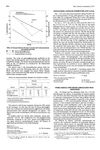
research PERICARDIAL EFFUSIONS ASSOCIATED WITH MINOXIDIL

research Minoxidil — An Alternative to Nephrectomy for Refractory Hypertension
In this study, minoxidil effectively reduced blood pressure to near normal levels in patients with malignant or accelerated hypertension resistant to conventional treatments, offering a potential alternative to nephrectomy.

research Minoxidil improves vascular compliance, restores cerebral blood flow, and alters extracellular matrix gene expression in a model of chronic vascular stiffness
Minoxidil improves blood flow and vessel flexibility, potentially helping with vascular stiffness.

research Usefulness of the vasodilator minoxidil in resistant hypertension
Minoxidil effectively lowers blood pressure in patients with resistant hypertension.
research Minoxidil

research Nitric oxide-dependent vasodilation induced by minoxidil in isolated rat aorta
In this study, minoxidil-induced vasodilation in rat aorta was found to be mediated by ATP-sensitive potassium channels and nitric oxide pathways, but was not significantly altered by lipid emulsion pretreatment.

research Agent: Minoxidil
This article reviews the mechanisms and uses of minoxidil for hypertension and androgenetic alopecia, without presenting new clinical findings.

research Whole Body and Regional Hemodynamic Effects of Minoxidil in the Conscious Dog
Minoxidil lowers blood pressure, increases heart rate, and improves blood flow in dogs.
research Other Products Being Developed by Pharmaceutical and Cosmetic Companies
Minoxidil can cause hair growth as a side effect.

research Comparison of the effects of the K+-channel openers cromakalim and minoxidil sulphate on vascular smooth muscle
Cromakalim relaxes various blood vessels, while minoxidil sulphate is more selective; they likely act on different potassium channels.
research Intracellular Calcium Mobilization in Response to Ion Channel Regulators via a Calcium-Induced Calcium Release Mechanism
This study found that multiple ion channel modulators, used here at clinical concentrations, increased intracellular calcium release in prostate and breast cancer cell lines.
research Pharmacology and Pharmacokinetics of Minoxidil
Minoxidil treats high blood pressure and side effects can be managed.
research K channel therapeutics at the bedside
This article reviews the therapeutic potential of potassium channel openers for various conditions related to metabolic distress but does not report new clinical results; it emphasizes the need for further research.

research Minoxidil: What It Is and How It Works
This article provides an overview of minoxidil's application as a vasodilator for severe hypertension and its topical use for treating androgenetic alopecia, detailing its effective plasma threshold levels for hair growth induction without new findings.