January 2006 in “Chinese Journal of Aesthetic Medicine” This study found that exogenous zinc improved the viability of ultralong random skin flaps in Wistar rats by reducing oxidative damage and increasing protective protein levels.
 August 2026 in “Zenodo (CERN European Organization for Nuclear Research)”
 This record provides supplementary materials for a theoretical model suggesting that animal-based diets may support hair follicle stability through various biological mechanisms, including regenerative peptides and anti-glycation protection.

This study observed that methylene blue, a mitochondrial-targeted antioxidant, promotes hair follicle stem cell proliferation and viability through reduced oxidative stress and enhanced β-catenin signaling, and it may also protect against hair loss related to glucagon-like peptide-1 receptor agonists by reducing metabolic stress.
 4 citations
,
February 2007 in “Journal of the European Academy of Dermatology and Venereology”
4 citations
,
February 2007 in “Journal of the European Academy of Dermatology and Venereology” This article discusses silicon in hair loss but provides no new research findings or clinical results.
 47 citations
,
September 2023 in “Pharmacological Reports”
47 citations
,
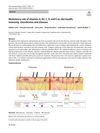
September 2023 in “Pharmacological Reports” In this review, researchers explored the roles of vitamins A, B3, C, D, and E in skin immunity, highlighting their potential as therapeutics for skin diseases due to their antioxidant, anti-inflammatory, and antimicrobial properties.
May 2021 in “bioRxiv (Cold Spring Harbor Laboratory)” This study found that calprotectin induces complex multi-metal starvation responses in Pseudomonas aeruginosa, affecting its metal homeostasis pathways and resistance to polymyxin B.
1 citations
,
January 2023 in “eCite Digital Repository (University of Tasmania)” This study suggests that the differences in aluminium tolerance between ET8 and ES8 wheat cultivars are linked to a complex suite of physiological mechanisms, including variations in malate and K+ release, Ca2+ homeostasis, and SV channel properties, rather than solely malate efflux.
This study observed that aluminum inhibits root hair growth in Limnobium stoloniferum, potentially by blocking calcium influx, although growth inhibition was also present at lower aluminum concentrations without affecting calcium flux.
 1 citations
,
January 2013 in “Springer eBooks”
1 citations
,
January 2013 in “Springer eBooks” Cosmeceuticals may benefit skin health but need more research for efficacy and safety confirmation.

This chapter explores the potential of phytochemicals in modulating human endocrine function, emphasizing the growing interest in plant-derived alternatives to synthetic medications for managing metabolic and hormonal disorders often linked to chemical exposures and lifestyle factors.
13 citations
,
June 2011 in “International Journal of Cosmetic Science” This study found that water hardness metals like calcium and magnesium can stiffen hair fibers, reduce combing forces, and affect style retention, with varied effects on virgin and bleached hair.
 February 2025 in “Animals”
 This study involving 81 yaks found significant correlations between melatonin, dihydrotestosterone, and immunoglobulin levels in blood serum and mineral content in hair, suggesting these factors may jointly influence yak hair growth and immune status, providing a potential non-invasive indicator of overall health.
 3 citations
,
November 2020 in “Biological Trace Element Research”
3 citations
,
November 2020 in “Biological Trace Element Research” This study found that patients with androgenetic alopecia had deficiencies in certain trace elements and vitamins, which were linked to distinct patterns of hair loss connected to androgen levels.
 March 2024 in “Indian Journal of Dermatology”
 In this observational study, researchers found that women with telogen effluvium who had higher baseline ferritin levels or received higher doses and longer durations of iron supplementation reported greater satisfaction, suggesting that iron supplementation can improve patient satisfaction regardless of initial ferritin levels.
January 2026 in “SHILAP Revista de lepidopterología” In this study, researchers highlight the importance of correcting selenium and zinc deficiencies as part of a comprehensive management strategy for patients with autoimmune thyroiditis complicated by alopecia, as these elements play key roles in thyroid hormone biosynthesis and hair follicle function.
7 citations
,
December 2017 in “Basrah Journal of veterinary Research” This study in Basra province sheep reported that zinc and copper deficiencies were linked to various clinical signs and affected oxidative stress and antioxidant levels.
3 citations
,
February 2017 in “The American journal of medicine” This case report highlights that repletion of various micronutrients, including thiamine, significantly improved heart failure symptoms and cardiac function in a malnourished patient with vitamin deficiencies.
14 citations
,
January 2014 in “Dermatology Research and Practice” This study observed a high incidence of transient infantile zinc deficiency among breastfeeding infants in Northern Ethiopia, but could not determine if genetic or nutritional factors or both contributed to it.
 March 2025 in “Scientific Reports”
 This study evaluated a menthol-based microemulsion for transdermal delivery of finasteride and silodosin, finding that it enhanced skin permeation and flux compared to aqueous solutions, suggesting a promising method for managing benign prostatic hyperplasia.

This study found that depressed individuals had higher levels of sodium and potassium in their hair and lower antidiuretic hormone levels, similar to changes observed in weightless conditions experienced by astronauts.
 August 2025 in “International Journal of Nanomedicine”
 This review discusses metal-organic frameworks for treating diabetic infected wounds and related applications, reporting no new clinical results but highlighting challenges like biosafety and production for future research.
 68 citations
,
May 2013 in “The American journal of medicine”
68 citations
,
May 2013 in “The American journal of medicine” This report documents two cases of severe systemic poisoning from heavy metals after short-term use of traditional Chinese medicines for treating damaged or infected tissue.
This study found that four bacterial isolates from a microbiology laboratory collection demonstrated resistance to selenate, with molecular analysis showing they closely resemble different strains of Bacillus megaterium.
January 2025 in “Open Science Framework” The project aims to validate a nutritional intervention targeting the Redox–NO–Androgen Axis to restore mitochondrial, endothelial, and hormonal balance in male health disorders related to oxidative stress.
January 2024 in “Bioanalysis” 5 citations
,
January 2012 in “Psychology” This study observed that individuals with major unipolar depression have higher levels of sodium and potassium in their hair and decreased antidiuretic hormone levels, similar to changes seen in astronauts after space missions.
45 citations
,
November 2024 in “International Journal of Molecular Sciences” This review discusses how various nutrients, such as flavonoids, probiotics, and omega-3 fatty acids, may support brain health by targeting stress-related pathways, potentially offering protective effects against neurodegenerative and psychiatric disorders through their roles in oxidative stress reduction and neuroinflammation regulation.
 September 2025 in “Medical Materials Research”
 This review explores the recent developments and diverse applications of microneedles in drug delivery and diagnostic platforms but reports no new clinical results.
11 citations
,
January 1976 in “Dermatology” This study found that patients with alopecia areata atopica and other skin conditions had lower hair magnesium levels compared to healthy controls, although the differences largely overlapped.
16 citations
,
April 2021 in “Plant Signaling & Behavior” This study found that in Arabidopsis, the MYB30-EIN3 module plays a role in adapting root hair development to phosphate deficiency, potentially enhancing phosphate uptake from soil.