24 citations
,
March 2022 in “Genome biology” This study introduces scINSIGHT, a method that showed improved performance over existing approaches in identifying gene expression patterns and cellular processes in heterogeneous scRNA-seq datasets from different biological conditions.
107 citations
,
October 2022 in “Frontiers in Immunology” This bibliometric analysis examines the research landscape of T cells in atherosclerosis and identifies key trends and emerging research areas, highlighting the field's stabilization over the past decade.
1 citations
,
November 2021 in “IntechOpen eBooks” This review covers red light Transcranial LED therapy for hippocampal memory impairment in aging and Alzheimer's but reports no clinical results, highlighting a need for further research into its mechanisms and effects.
 1 citations
,
October 2024 in “Journal of Clinical Immunology”
1 citations
,
October 2024 in “Journal of Clinical Immunology” This study observed that adult Netherton syndrome patients showed a range of normal to diminished immune responses to polysaccharide, conjugate, and mRNA-based vaccines, with responses generally overlapping those of healthy controls, suggesting no consistent B- or T-cell immunodeficiency in this population.
39 citations
,
June 2023 in “Advanced Materials” This review discusses the unique advantages and challenges of microneedle arrays for vaccine and immunotherapy delivery but reports no new clinical results.
 82 citations
,
August 2006 in “Pharmacology, Biochemistry and Behavior”
82 citations
,
August 2006 in “Pharmacology, Biochemistry and Behavior” This review proposes focusing on relationships between neuroactive steroids and psychiatric disorder symptoms, rather than relying on traditional disorder classifications, and reports no new clinical findings.
3 citations
,
July 2022 in “Brain and Behavior” This study observed that a CARASIL mouse model demonstrated abnormal behavior, vascular and cellular changes, and upregulation of the TGF-β/Smad signaling pathway, indicating its potential involvement in CARASIL pathogenesis.
7 citations
,
March 2022 in “International Journal of Molecular Sciences” This study found that FGF21 suppresses inflammation induced by C. acnes in both human skin cells and mouse models, suggesting potential use in acne treatment.
52 citations
,
January 2023 in “Annual Review of Immunology” This review discusses how immune mechanisms contribute to the regeneration and repair of epithelial tissues and highlights their potential role in both disease and therapeutic innovation; it reports no new clinical results.
 1 citations
,
December 2004 in “Hepatology”
1 citations
,
December 2004 in “Hepatology” This study found that in lamivudine-resistant hepatitis B patients, tenofovir significantly reduced HBV DNA levels faster and more consistently than adefovir, reaching undetectable levels in all treated patients by 44 weeks.
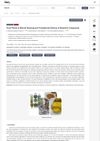
This review highlights the potential of plant-derived natural compounds as biocompatible and biodegradable materials in dermal and transdermal delivery systems, emphasizing their unexplored benefits and detailing recent advances in isolation techniques and drug delivery technologies.
 March 2014 in “Human Physiology”
 This study found that prolonged administration of DHEA improved long-term memory and brain activity balance in old rhesus macaques, with effects like increased motor activity and restored hair lasting a year.
98 citations
,
March 2019 in “Frontiers in immunology” This study concluded that heterozygous NFKB2 mutations lead to a distinct and severe form of primary immunodeficiency with early onset, primarily T cell-mediated autoimmunity, and impaired B-cell differentiation.
37 citations
,
April 2018 in “Journal of Allergy and Clinical Immunology” This study found that a novel IKZF1 mutation, p.L188V, is linked to juvenile-onset systemic lupus erythematosus and alters B-cell activation by disrupting normal DNA binding.
October 2020 in “Stem cells” This study highlights a novel connection between the DNMT3B enzyme, metabolic flux, and the self-renewal and differentiation of human embryonic stem cells.
 March 2026 in “Molecules”
 This review reports that Dang Gui (Radix Angelica sinensis) possesses bidirectional immunoregulatory effects, enhancing immune cell proliferation and function, and may benefit immune-related diseases such as cancer and anemia. It also evaluates regulatory and safety aspects, aiming to guide future research and clinical use.
 101 citations
,
July 2021 in “Nature Communications”
101 citations
,
July 2021 in “Nature Communications” This study reported that 4D-printed, aliphatic polycarbonate-based scaffolds supported adipose tissue engineering by allowing adipocyte infiltration and neovascularization in vivo, indicating potential for effective adipose tissue repair.
 July 2023 in “Journal of allergy and clinical Immunology. Global”
 This case report describes a 10-month-old boy with VACTERL association and athymia who developed Omenn syndrome, highlighting the complex overlap of these conditions and the challenging clinical course due to profound T-cell immunodeficiency.
 May 2025 in “The Journal of Rheumatology”
 In this case report, two patients with coexisting systemic lupus erythematous and neuromyelitis optica spectrum disorder achieved remission of SLE activity using an anti-CD19 monoclonal antibody.
 67 citations
,
February 2020 in “Journal of Ginseng Research”
67 citations
,
February 2020 in “Journal of Ginseng Research” This review evaluates and classifies the non-saponin components of Korean Red Ginseng, emphasizing their combined role with saponins in the plant's bioactivity, but reports no new clinical results.
 22 citations
,
January 2008 in “Physiological Research”
22 citations
,
January 2008 in “Physiological Research” This review discusses the role of steroid sulfatase in steroid hormone metabolism and highlights the need for more research on its expression and regulation, especially regarding hormone-dependent tumors.
 65 citations
,
July 2013 in “International Clinical Psychopharmacology”
65 citations
,
July 2013 in “International Clinical Psychopharmacology” This review provides an overview of the prevalence and management of side effects of mood-stabilizing drugs in bipolar disorder patients and reports no new clinical results.
November 2025 in “Journal of Investigative Dermatology” PCFCL may have unrecognized subtypes and needs more research.
 September 2013 in “Science”
 This study found that single-crystal magnesium samples smaller than 100 nm exhibited increased plastic deformation due to greater activation of nonbasal planes as local flow stresses approached 2 GPa.
February 2024 in “Neurophotonics” This review highlights the potential of transcranial photobiomodulation (tPBM) as a non-invasive and affordable treatment for brain diseases, summarizing recent advances and successful protocols based on over two decades of research.
7 citations
,
June 2025 in “International Journal of Molecular Sciences” This review highlights that vitexin, a natural flavonoid derived from plants like mung bean, modulates critical cellular processes involved in cancer progression, suggesting its potential as a multi-target anticancer treatment in preclinical studies.
 318 citations
,
January 2022 in “Signal Transduction and Targeted Therapy”
318 citations
,
January 2022 in “Signal Transduction and Targeted Therapy” This study systematically reviews the Wnt/β-catenin signaling pathway, discussing its origin, composition, function, involvement in tumors and diseases, and the development of small-molecular compounds targeting this pathway for disease treatment.
May 2023 in “Indian Journal of Dermatology” In this study, researchers observed temporary skin reactions at BCG vaccination sites following the Pfizer-BioNTech COVID-19 mRNA vaccine in five patients, suggesting underreported occurrences.
 3 citations
,
September 2023 in “Advanced science”
3 citations
,
September 2023 in “Advanced science” Researchers demonstrated that a new vaccine platform using antigen-loaded hydrogels enhanced humoral immune responses in mice, producing stronger antigen-specific antibody levels compared to the conventional adjuvant Alum, and offering promising protective capabilities against influenza virus.
 2 citations
,
October 2022 in “British journal of haematology”
2 citations
,
October 2022 in “British journal of haematology” This study reports the first successful use of zanubrutinib to treat a 15-year-old Chinese girl with severe refractory Evans' syndrome, resulting in a sustained recovery of platelet counts and haemoglobin levels.