2 citations
,
June 2007 in “PubMed” This study found that alopecia in young calves was associated with a higher incidence of diarrhoea and prolonged ruminal acidosis, with significant changes in blood chemistry noted.
28 citations
,
November 2018 in “American Journal of Medical Genetics Part A” This report describes a neurometabolic disorder linked to gain-of-function variants in the ODC1 gene, characterized by developmental delay, ectodermal abnormalities, and notable facial and neuroimaging features.
June 2010 in “Journal of Cosmetic Dermatology” This article reviews the concept of caloric restriction and its potential anti-aging effects, highlighting animal studies and a human experiment in Biosphere II, but notes significant challenges for its application in humans.
5 citations
,
January 1976 Under the conditions of this research, Leucaena was generally unpalatable for heifers, caused health issues like goitre and hair loss, and did not significantly increase fertility or productivity.
6 citations
,
April 2012 in “PubMed” This case report describes a 33-year-old Indian male with Cronkhite-Canada syndrome who experienced complete symptom recovery within 5 months after starting a high protein diet, proton pump inhibitors, and zinc-vitamin supplements.
 February 2025 in “Cermin Dunia Kedokteran”
 This article reviews acute disseminated encephalomyelitis, a neurological condition with demyelination of the central nervous system, and reports no new clinical findings; diagnosis is made by exclusion.
3 citations
,
April 2009 in “Pediatrics in review” This review covers approaches to diagnosing inherited metabolic disorders in pediatric patients and emphasizes the need for clinicians to recognize and manage these conditions, but it reports no clinical results.
 November 2004 in “Postgraduate obstetrics & gynecology”
 This article reviews the diagnostic criteria for metabolic syndrome, its impact on obstetrics and gynecology practices, and the distinctions between impaired glucose tolerance and impaired fasting glucose, but presents no new clinical findings.
34 citations
,
December 1984 in “Journal of Cutaneous Pathology” This study observed that the thinning and structural abnormalities in monilethrix-affected hair occur at the internodes due to possible periodic dysfunction of the hair matrix, particularly in the cortex.

This review discusses various syndromes of severe insulin resistance, their biochemical and clinical features, and potential therapeutic options, but it reports no new clinical results.
 December 2025 in “Cureus”
 In this report, successful management of inherited acrodermatitis enteropathica, a zinc absorption disorder due to an SLC39A4 gene defect, was demonstrated in an infant through zinc supplementation.
 18 citations
,
February 2006 in “Brain & development”
18 citations
,
February 2006 in “Brain & development” This case study reports successful treatment of a 19-year-old with Satoyoshi syndrome using a combination of carbamazepine, methotrexate, prednisolone, and sex-steroids, improving muscle spasms, alopecia, and quality of life.
 December 2025 in “BJPsych Open”
 This case study highlights an adolescent girl with atypical anorexia nervosa who experienced mental health changes after using semaglutide, underscoring the need for cautious prescription and follow-up of this medication to prevent adverse effects in vulnerable individuals.
January 2026 in “Queensland University of Technology” This thesis reviews current therapeutic approaches for ARFID and provides preliminary insights into enhancing treatment and care in Australia, including an evaluation of a pilot dietetic-led cognitive-behavioral therapy intervention.
7 citations
,
January 2017 in “Neuromuscular Disorders” This report documents the first adult onset case of Satoyoshi syndrome in South America, highlighting possible improvement with immunosuppressive treatment using corticosteroids and azathioprine.
5 citations
,
January 2015 in “Molecular Genetics and Metabolism” 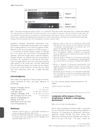 9 citations
,
July 2010 in “British Journal of Dermatology”
9 citations
,
July 2010 in “British Journal of Dermatology” This article reports on lentiginosis observed within plaques of linear atrophoderma of Moulin and discusses its potential classification as a twin-spotting phenomenon but provides no new clinical research results.
12 citations
,
May 2005 in “Journal of the American Geriatrics Society” This case report describes successful treatment of valproate-induced hyperammonemia in a 79-year-old man using lactulose, marking the first such documented use for this condition.
 3 citations
,
July 2014 in “QJM”
3 citations
,
July 2014 in “QJM” This case report discusses a 35-year-old man with progressive alopecia areata who did not respond to minoxidil treatment but offers no new clinical trial results.
 35 citations
,
April 2014 in “Journal of proteomics”
35 citations
,
April 2014 in “Journal of proteomics” In this study, experimentally induced weight loss in merino sheep led to a decrease in wool fiber diameter and increased expression of certain high sulfur and glycine-tyrosine proteins, potentially impacting wool quality and industry preferences.
 5 citations
,
August 2020 in “Stem Cell Research & Therapy”
5 citations
,
August 2020 in “Stem Cell Research & Therapy” This study found that combining adipose-derived mesenchymal stromal cells with meglumine antimoniate reduced lesion size and parasite load in mice with leishmaniasis, suggesting potential for improved treatment.
10 citations
,
July 2000 in “PubMed” This case report suggests that increased dietary calcium from alfalfa may have contributed to zinc deficiency in two adult female goats by blocking zinc absorption.
4 citations
,
April 1978 in “PubMed” This case study describes a six-month-old boy diagnosed with Netherton syndrome, featuring ichthyosiform erythroderma and alopecia, possibly linked to aminoaciduria.
 October 2022 in “The American journal of gastroenterology”
 This case report details a patient with myasthenia gravis and a malignant thymoma whose rising liver function tests, initially thought to be related to antibiotic use, were ultimately attributed to thymoma-associated multiorgan autoimmunity.
2 citations
,
April 2024 in “Medical Journal Armed Forces India” 66 citations
,
November 1997 in “Nutrition” This study found that while micronutrient abnormalities are common among patients receiving home parenteral nutrition, serious consequences from these abnormalities are rare.
July 2024 in “Journal of Investigative Dermatology” In this study of mouse models, researchers found that glutaminolysis is crucial for macrophages to switch from a pro-inflammatory to a pro-resolving state, aiding tissue repair by preventing prolonged inflammation and influencing gene expression.
January 2013 in “Biology of blood and marrow transplantation” The authors developed a severe mouse model of chronic graft-versus-host disease and reported that rapamycin treatment improved survival compared to placebo, potentially by promoting regulatory T cell expansion.
19 citations
,
January 1974 in “Laboratory animals” In this study, inducing zinc deficiency in recently weaned female Tan rabbits led to reduced food consumption, weight loss, and reproductive issues, including inactive uterine and ovarian changes.
 13 citations
,
July 2012 in “Pigment Cell & Melanoma Research”
13 citations
,
July 2012 in “Pigment Cell & Melanoma Research” In this study, researchers identified a new dominant mutation in Hairless mice, called Pied, resulting from a deletion in the Adam10 gene, which causes freckle-like skin pigmentation by inhibiting melanocyte expansion.