January 2015 in “Journals & Books Hosting (International Knowledge Sharing Platform)” This study synthesized and evaluated five 6-mercaptopurine derivatives for anticancer activity against three cancer cell lines, detailing the promising results of compound 1.
 April 2026 in “bioRxiv (Cold Spring Harbor Laboratory)”
 This study introduced hydrogel microneedles loaded with palladium nanoparticles, which utilize the inherent cytotoxicity of polyethyleneimine to enhance the effectiveness of doxorubicin in treating melanoma, achieving a tumor inhibition rate of up to 98% in a murine model.
June 2008 in “Wound Repair and Regeneration” In this study, Msx-2 knockout mice showed enhanced re-epithelialization and faster wound closure compared to wild-type controls, suggesting Msx-2 may influence skin morphogenesis during wound repair.
73 citations
,
April 2006 in “BioTechniques” This essay reviews the potential of protein microarrays in proteomics and diagnostics, highlighting no new clinical results but emphasizing the need for advanced high-quality proteins and antibodies.
52 citations
,
June 1991 in “Journal of Virology” In this study, researchers found that the ability of hamster polyomavirus to cause lymphoid tumors in Syrian hamsters may be linked to its association with the tyrosine kinase p59fyn.
2 citations
,
September 2022 in “Annals of Oncology” This study observed that MIRV improved gastrointestinal symptoms and other quality of life measures in patients with platinum-resistant ovarian cancer compared to chemotherapy.
February 2023 in “Medicine in novel technology and devices” This study found that microneedle delivery of Polygonum multiflorum extract led to earlier pigmentation and hair regrowth in mice with androgenetic alopecia.
2 citations
,
July 2025 in “Analytical Chemistry” This study reported the development of a workflow that combines SIMS and X-ray elemental mapping techniques for multimodal imaging at the single cell level, successfully applied to visualize elements, metals, and lipids in porcine skin without loss or delocalization.
7 citations
,
December 2024 in “International Journal of Pharmaceutics” In this study, researchers developed a new method for producing dissolving microneedle array patches containing mesoporous silica nanoparticles, successfully confirming nanoparticle deposition and release in both ex vivo and in vivo models.
 29 citations
,
January 2010 in “Methods in Enzymology”
29 citations
,
January 2010 in “Methods in Enzymology” This review discusses five genetic fate mapping methods used to study cell behaviors during development and regeneration, detailing the necessary tools and considerations without reporting new experimental results.
9 citations
,
August 2023 in “Molecules” This study found that the peptides RMYYY and VMYMI displayed stronger binding energy and more frequent interactions with HPGDS compared to the native inhibitor, suggesting potential as future therapeutic drugs.
 12 citations
,
February 2010 in “Tetrahedron Letters”
12 citations
,
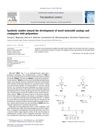
February 2010 in “Tetrahedron Letters” This article describes the synthesis of novel polyamine-modified minoxidil analogs and conjugates to potentially enhance minoxidil's biological activity, selectivity, and water solubility, but reports no new biological results.
 1 citations
,
November 2023 in “BMC chemistry”
1 citations
,
November 2023 in “BMC chemistry” In this study, researchers used computational modeling and virtual screening to identify two FDA-approved drugs, Tadalafil and Finasteride, that may effectively inhibit key proteins involved in melanoma progression, suggesting potential for new therapeutic strategies against aggressive melanoma.
This study found that deleting the Mad2l1 gene in mice leads to rapid onset of acute lymphoblastic leukemia and liver cancer due to induced chromosomal instability.
9 citations
,
June 2023 in “Human Genomics” This study found that higher levels of AR expression are linked to a decreased risk of severe COVID-19 in females, and identified ACE2, MX1, and TMPRSS2 as important molecular markers for COVID-19 management.
 April 2023 in “The journal of investigative dermatology/Journal of investigative dermatology”
 This study revealed distinct cellular and transcriptomic differences among various subtypes of cutaneous T-cell lymphoma, particularly highlighting characteristics unique to folliculotropic mycosis fungoides.
29 citations
,
September 2018 in “Journal of the American Heart Association” This study found that EP 2 signaling is crucial for macrophage recruitment and inflammatory regulation in the injured heart, impacting cardiac repair processes.
 December 2023 in “The journal of investigative dermatology/Journal of investigative dermatology”
 In a mouse model study, researchers observed that the absence of MCPIP1 in myeloid cells decreased susceptibility to chemically induced skin papillomas but caused significant hair loss and skin pigmentation changes, suggesting a role for MCPIP1 in skin carcinogenesis and follicle integrity.
694 citations
,
April 2000 in “Nature genetics” This study found that Msx2-deficient mice exhibit skull and bone formation defects similar to those seen in human MSX2-related conditions, highlighting the gene's importance in skeletal and organ development.
3 citations
,
August 2024 in “The Journal of Cell Biology” This study demonstrated that in live rodents, actin filaments adjust their structure to facilitate membrane transfer between cellular compartments with different biophysical properties.
76 citations
,
July 2009 in “Neuroscience” This study found that inhibiting allopregnanolone synthesis in late gestation fetal sheep increased apoptosis and dead cell count in the hippocampus and cerebellum, effects that were mitigated by alfaxalone co-infusion.
12 citations
,
February 2017 in “International journal of developmental neuroscience” This study observed that reduced in utero exposure to the neurosteroid allopregnanolone increased anxiety-like behavior in female guinea pigs during the juvenile period without affecting long-term allopregnanolone levels.
11 citations
,
October 2021 in “Orphanet journal of rare diseases” This study found that patients with RASopathies have lower serum IgA and CD8 levels compared to controls, indicating a potential risk for developing autoimmune disorders.
 6 citations
,
August 2023 in “BMC genomics”
6 citations
,
August 2023 in “BMC genomics” This study found that Tibetan cashmere goats have genetic adaptations that contribute to their finer cashmere, possibly enhancing their ability to withstand the cold climate of the Tibetan plateau, while identifying specific genes related to hair growth, pigmentation, and heart development.
December 2004 in “Reproduction Fertility and Development” This study used porcine models to isolate and culture stem cells from brain and hair follicles, shedding light on differentiation processes and potential markers for stem cell compartments under lab conditions.

This study found that the transcription factor Meis2 is crucial for the maturation and innervation of sensory neurons responsible for light touch in mice, with its absence leading to reduced touch sensitivity.
 3 citations
,
April 2022 in “Frontiers in Physiology”
3 citations
,
April 2022 in “Frontiers in Physiology” This study found that loss of the Ptch2 receptor in mice leads to increased incisor growth and enhanced mesenchymal stem cell differentiation, highlighting Ptch2's role in organ regenerative potential.
21 citations
,
February 2006 in “Clinical Cancer Research” This commentary discusses how microphthalmic-associated transcription factor levels in circulating tumor cells correlate with melanoma progression and suggests the factor may be up-regulated in vivo, but it reports no new clinical results.
This article discusses the role of epimorphin as a key morphoregulator for various epithelial cells in tubulogenesis and reports no experimental results on its signaling pathways.
 3 citations
,
September 2023 in “Advanced science”
3 citations
,
September 2023 in “Advanced science” Researchers demonstrated that a new vaccine platform using antigen-loaded hydrogels enhanced humoral immune responses in mice, producing stronger antigen-specific antibody levels compared to the conventional adjuvant Alum, and offering promising protective capabilities against influenza virus.