 2 citations
,
July 2020 in “Journal of Applied Pharmaceutical Science”
2 citations
,
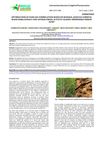
July 2020 in “Journal of Applied Pharmaceutical Science” This study examined the preservative and antimicrobial susceptibility of non-fermenting bacilli collected from beauty salon waste in Brazil.
 1 citations
,
May 2025 in “International Journal of Applied Pharmaceutics”
1 citations
,
May 2025 in “International Journal of Applied Pharmaceutics” This study formulated a nanogel with Bangkal bark extract that showed moderate antibacterial activity against Propionibacterium acnes, with the F3 formulation (8% extract) achieving the highest inhibition zone of 8 mm, suggesting potential as a natural acne treatment.
 June 2026 in “Research Square”
 This study evaluated an herbal emulgel formulation containing extracts from Wedelia chinensis and Cassytha filiformis for hair growth promotion in rats, finding that the combined formulation significantly increased hair growth compared to both individual extracts and the control group.
 May 2026 in “Repository of the University of Ljubljana (University of Ljubljana)”
 This study analyzed the composition and cost of 50 cosmetic body scrubs for keratosis pilaris, finding that chemical exfoliants with glycolic acid may reduce symptoms by enhancing skin shedding and reducing water loss, but further clinical studies are needed to confirm their effectiveness.
 May 2026 in “International Journal of Homoeopathic Sciences”
 This study found that individualized homeopathic medicine can significantly improve outcomes in patients with alopecia areata, including complete hair regrowth and reduced SALT scores within 5 to 12 months, without relapse, and shows promise for alopecia universalis through targeted miasmatic and constitutional remedies.
 January 2026 in “The Pharma Innovation”
 This article discusses hypothyroidism, its symptoms, causes, and the importance of lifestyle modifications in supporting thyroid health, but it reports no new clinical results.
 September 2025 in “Ensaios USF”
 This study developed a solid shampoo formulation with conditioning properties, highlighting its feasibility and environmental benefits compared to conventional shampoos due to biodegradable packaging and no water in its composition, thus offering a sustainable alternative in the cosmetic industry.
 August 2025 in “International Journal for Research in Applied Science and Engineering Technology”
 In this study, rice water was reviewed as a cosmetic ingredient, highlighting its safety, stability, and possible benefits such as anti-inflammatory and anti-aging effects, as well as improvements in hair growth and skin hydration.
 July 2025 in “JUNIOR RESEARCHERS”
 This review found that prolonged use of face masks during the COVID-19 pandemic increased the incidence of facial skin conditions like maskne and dermatitis, particularly affecting women and young people, and suggests prevention and management strategies including skincare routines, mask material choice, and therapeutic approaches.
 June 2025 in “Mağallaẗ ʻulūm al-rāfidayn”
 In this study with diabetic rats, the researchers found that combining Amoxicillin/Clavulanate with metformin may enhance the glucose-lowering effects of metformin, without affecting cholesterol, triglycerides, or certain electrolytes.
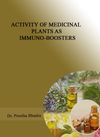
In this review, researchers evaluated 111 studies on the biological activities and phytochemical components of the plant Tridax procumbens, emphasizing its ethnobotanical potential and the need for more research to understand its therapeutic benefits, especially in its native tropical regions.
 November 2024 in “Journal of Scientific Agriculture”
 This paper reviews the benefits of using silk proteins as natural ingredients in cosmetics, highlighting their potential for improving skin and hair health due to properties like antimicrobial activity, UV resistance, and enhanced moisture absorption.
 September 2024 in “Oncology Advances”
 This review discusses the potential anticancer effects of medicinal plants, highlighting their diverse phytoconstituents and mechanisms, and considers both their future prospects and limitations in cancer treatment.
 August 2024 in “International Journal For Multidisciplinary Research”
 This case study suggests that an Ayurvedic treatment regimen, involving Amlaki-Amrasthi lepa, Amalaki-Amrasthi kashay, and Avipattikar churna, may effectively manage hair loss symptoms without side effects in a 25-year-old woman.
 May 2024 in “Research Square (Research Square)”
 This study found that shea butter is the most used plant among women in Tamale, Ghana, for cosmetic purposes like skin smoothening and hair growth.
 October 2023 in “Plant Archives/Plant archives”
 This study evaluated herbal formulations, including Neem and Hibiscus soaps and medicated oil, made from certain medicinal plants in India, finding them effective for antimicrobial purposes and beneficial for skin and hair, suggesting they are suitable for public use.
 August 2023 in “Natural Resources for Human Health”
 This paper offers a detailed overview of B vitamins, detailing their importance for energy, cognition, and metabolism, conditions leading to their deficiencies, symptoms of deficiencies, and the foods rich in these essential nutrients.

In this case study, a 26-year-old female with hair fall, dandruff, scalp itching, and dry hair reported improvements after using Dhatturadi Tail and taking Yashtimadhu churna with milk, evaluated through a custom scoring system, according to researchers at the National Institute of Ayurveda, Jaipur.
 February 2020 in “Scholars international journal of traditional and complementary medicine”
 This article explores Ayurvedic approaches to treating hair disorders and provides no new clinical results, highlighting practices like using herbal treatments for hair loss and greying.
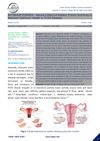 January 2020 in “Asian Journal of Basic Science & Research”
 This review discusses the role of Nutrease powder in managing hormonal disturbances in polycystic ovary syndrome and reports no new clinical results.
This study found that Biofield Energy Healing Treatment significantly increased the proliferation of human hair follicle dermal papilla cells in vitro, suggesting potential as a hair growth enhancer.
 December 2018 in “Zenodo (CERN European Organization for Nuclear Research)”
 This study found that topical application of a Biofield Energy Healing-treated mixture of herbal extracts in mice increased hair growth and melanogenesis compared to untreated extracts.
 December 2018 in “The Journal of medical research”
 In this study, the researchers observed that Biofield Energy Healing Treatment significantly increased hair follicle cell proliferation in human dermal papilla culture, suggesting potential as a hair growth enhancer.
 January 2018 in “Open access journal of pharmaceutical research”
 In this study, researchers found that Biofield Energy Healing Treatment significantly increased the proliferation of human hair follicle dermal papilla cells in vitro, suggesting potential hair growth benefits.
 January 2018 in “Stem cell biology and regenerative medicine”
 This review discusses the interplay between signaling/transcription factor-mediated and epigenetic mechanisms in skin development and regeneration, highlighting the need for further exploration of epigenome reorganization in these processes.
 August 2017 in “Indian journal of history of science”
 This review discusses the Strīvilāsa, an Ayurvedic manuscript on female health and cosmetic procedures, but reports no clinical results; the authors emphasize its potential significance for Ayurvedic obstetrics and gynecology research.
 January 2002 in “Journal of Toxicology-cutaneous and Ocular Toxicology”
 Botanical extracts are increasingly important in cosmetics and drugs for their effectiveness and safety, backed by traditional use and scientific evidence.
 October 2001 in “WORLD SCIENTIFIC eBooks”
 This compilation on contact and occupational dermatology in the Asia-Pacific region discusses various allergens and irritants without reporting new clinical findings.
 May 2020 in “Research, Society and Development”
 This study suggests that mutamba fruit, regardless of maturation stage, could be valuable in the food industry due to its high soluble solids, vitamin C, and mineral content.
 1533 citations
,
October 2008 in “Endocrine reviews”
1533 citations
,
October 2008 in “Endocrine reviews” This research highlights that engineered mice lacking the vitamin D receptor show multiple health issues similar to human vitamin D deficiency, underscoring the widespread impacts of the vitamin D endocrine system.