March 2023 in “Medical lasers” Low-level laser therapy is a safe and effective treatment for hair loss.
 6 citations
,
January 2016 in “Journal of lasers in medical sciences”
6 citations
,
January 2016 in “Journal of lasers in medical sciences” This study found that a single session of low level laser irradiation did not significantly affect hair growth outcomes in transplanted follicles for patients with androgenic alopecia.
 July 2024 in “Scholars Journal of Medical Case Reports”
 This study highlights examples of successful hair growth using combined laser therapy and autologous exosome therapy, suggesting a synergistic effect that may enhance beauty treatments and other therapeutic applications.
 41 citations
,
December 2017 in “Lasers in Medical Science”
41 citations
,
December 2017 in “Lasers in Medical Science” This study found that low-level laser therapy may significantly improve androgenic alopecia in both men and women, either alone or alongside treatments like minoxidil and finasteride.
 33 citations
,
March 2017 in “Dermatologic Surgery”
33 citations
,
March 2017 in “Dermatologic Surgery” In this clinical study, low-level laser therapy using the HANDI-DOME LASER device increased hair counts by 51% compared to controls, indicating its potential as a safe and effective treatment for androgenetic alopecia in women aged 18 to 60.
 April 2023 in “Journal of Investigative Dermatology”
 This case study reports an unusual presentation of primary cutaneous diffuse large B-cell lymphoma–leg type occurring on the upper lip of an 81-year-old woman, highlighting the need for timely recognition of atypical manifestations.
 23 citations
,
February 2020 in “PLOS genetics”
23 citations
,
February 2020 in “PLOS genetics” This study found that biallelic LSS mutations lead to congenital hypotrichosis and cataracts, with each tissue-specific loss of function observed in mouse models.
 1 citations
,
December 2022 in “Pediatric dermatology”
1 citations
,
December 2022 in “Pediatric dermatology” This case report highlighted an instance of lichen spinulosus emerging as a new cutaneous sequela in a boy following toxic epidermal necrolysis, responding to treatment with ammonium lactate.
January 2020 in “프로그램북(구 초록집)” This study found that using a low-level light therapy helmet device daily for 24 weeks improved hair density and thickness among participants, though it did not significantly impact sebum secretion or erythema index.
January 2025 in “Dermatology Research and Practice” In this research, RNA expression analysis of scalp biopsies from lichen planopilaris patients revealed changes in specific genes after treatments with hydroxychloroquine, narrow band UVB, or low level laser light therapy, suggesting potential biomarkers and implicating M2 macrophages in the disease's immunopathogenesis.
January 2019 in “Journal of clinical and cosmetic dermatology” This article discusses the potential of combining growth factor therapy with LLLT LED therapy for hair regrowth in androgenetic alopecia, but it does not report new clinical results.
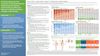 March 2026 in “SKIN The Journal of Cutaneous Medicine”
 This study demonstrated that litifilimab significantly reduced disease activity in cutaneous lupus erythematosus by Week 16, with improvements most notable in sunlight-exposed skin areas.
 1 citations
,
January 2022 in “Open Access Macedonian Journal of Medical Sciences”
1 citations
,
January 2022 in “Open Access Macedonian Journal of Medical Sciences” This study observed that PRP treatment resulted in greater improvement in hair thickness and density in alopecia areata patients compared to LLLT, with benefits sustained over 12 weeks.
 December 2024 in “Livers”
 This case report highlights a female patient with familial partial lipodystrophy who showed significant improvement in liver stiffness after starting leptin replacement therapy.
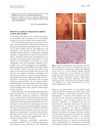 7 citations
,
June 2010 in “Journal of The American Academy of Dermatology”
7 citations
,
June 2010 in “Journal of The American Academy of Dermatology” This paper reports a single case of lichenoid cutaneous sarcoidosis that was unresponsive to standard treatments but showed marked improvement with the administration of oral tranilast.
 81 citations
,
August 2014 in “Lasers in Surgery and Medicine”
81 citations
,
August 2014 in “Lasers in Surgery and Medicine” This study found that low-level laser therapy significantly increased hair growth in women with androgenic alopecia, achieving a 37% greater increase in hair counts compared to placebo.
 65 citations
,
March 2016 in “Lasers in Medical Science”
65 citations
,
March 2016 in “Lasers in Medical Science” This review found that many low-level light therapy studies report beneficial effects but often fail to provide adequate measurement details, affecting the reliability and repeatability of the research.
 60 citations
,
December 2015 in “Lasers in Medical Science”
60 citations
,
December 2015 in “Lasers in Medical Science” This review concluded that FDA-cleared low-level laser therapy devices are safe and effective for patients with male and female pattern hair loss who do not respond to or tolerate standard treatments.
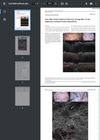 1 citations
,
October 2023 in “Skin research and technology”
1 citations
,
October 2023 in “Skin research and technology” This study found that line-field confocal optical coherence tomography effectively visualized key diagnostic features of classic lichen planopilaris in real time, suggesting its potential as a valuable diagnostic tool.
January 2022 in “Figshare” This study found that knocking down lncRNA MTC in Liaoning Cashmere goat skin fibroblasts reduced cell proliferation and altered protein expression, suggesting its role in hair growth and regulatory pathways.
 May 2024 in “Medical Journal Armed Forces India/MJAFI”
 This study found that low-level light therapy was as effective as 5% minoxidil for increasing hair density in men with androgenetic alopecia over six months.
This study found that low-level laser therapy (LLLT) may enhance hearing recovery after noise-induced hearing loss in rats.
 117 citations
,
September 2013 in “Lasers in Surgery and Medicine”
117 citations
,
September 2013 in “Lasers in Surgery and Medicine” This study found that low level laser therapy at 655 nm significantly increased hair counts in males with androgenetic alopecia.
August 2009 in “Mechanisms of Development”  May 2025 in “The Journal of Rheumatology”
 This case report describes a young female with pediatric SLE and latent TB who was found to have gastrointestinal tuberculosis, a rarely recognized and often misdiagnosed condition, highlighting the diagnostic challenges and need for early recognition in such cases.
 16 citations
,
December 2017 in “Journal of The American Academy of Dermatology”
16 citations
,
December 2017 in “Journal of The American Academy of Dermatology” This study found that low-level laser therapy may reduce inflammation and increase hair thickness in patients with lichen planopilaris after six months of treatment, though the small sample size limits the findings.
 April 2023 in “The journal of investigative dermatology/Journal of investigative dermatology”
 This study suggests that the expression and localization of toll-like receptors and caveolin-1 in lichen planopilaris may influence cicatricial alopecia pathobiology and that downregulating caveolae could offer a novel management strategy.
November 2024 in “Dermatology Online Journal” This review found promising evidence for the efficacy of certain laser and light-based therapies in treating various forms of alopecia, such as low-level light therapy for androgenetic alopecia and excimer laser for alopecia areata, but emphasized the need for further understanding of these treatments.

This case report highlights that tumid lupus erythematosus should be considered in the differential diagnosis of annular scalp lesions with non-scarring alopecia, emphasizing histopathological examination for accurate diagnosis.
January 2013 in “International Journal of Trichology” This case report describes a young girl with trichothiodystrophy and suggests the need for early diagnosis and multidisciplinary interventions for her educational challenges.