 1 citations
,
June 2024 in “BMC Oral Health”
1 citations
,
June 2024 in “BMC Oral Health” In this study, autologous platelet concentrates and topical steroids similarly reduced lesion size, Thongprasom scale, and pain in oral lichen planus patients, suggesting autologous platelet concentrates as a potential alternative treatment.
 16 citations
,
October 2014 in “Journal of the American Academy of Dermatology”
16 citations
,
October 2014 in “Journal of the American Academy of Dermatology” This study found that oral retinoid therapy may provide clinical improvement in a small percentage of patients with treatment-resistant lichen planopilaris, although it is not commonly used as a first-line treatment.
1 citations
,
December 2025 in “Baylor University Medical Center Proceedings” Leuprolide may better manage cholesterol and blood pressure in PCOS than spironolactone.
 2 citations
,
October 2014 in “International Journal of Trichology”
2 citations
,
October 2014 in “International Journal of Trichology” Low-level laser therapy may increase hair density in pattern hair loss.
9 citations
,
September 2018 in “JAAD Case Reports” This article describes a unique case of lichen planopilaris with a previously unreported trigger in one of the youngest documented adult patients, without providing new clinical results or data.
12 citations
,
December 2016 in “Medical Hypotheses” This research suggests that the enzyme Phospholipase D from E. coli is a strong candidate as the underlying cause of benign prostatic hyperplasia, potentially mediated by its conversion to lysophosphatidic acid in the prostate.
1 citations
,
December 2024 in “Archives of Iranian Medicine” This study found that tofacitinib significantly improved disease activity in most patients with LPP, though further research is needed to refine protocols, understand response predictors, and address gender-specific adverse effects.
3 citations
,
September 2018 in “JAAD case reports” This case report discusses a rare occurrence of systemic sclerosis with lupus erythematosus panniculitis in a Japanese patient and highlights hydroxychloroquine as a potential treatment, noting a dramatic improvement.
April 2021 in “The journal of investigative dermatology/Journal of investigative dermatology” This study examined clinical characteristics of lichen planopilaris and frontal fibrosing alopecia in 24 men, revealing common scalp symptoms, frequent beard involvement, and limited association with thyroid disease.
35 citations
,
November 2019 in “Journal of the American Academy of Dermatology” This study reviewed 40 patients with scalp symptoms and identified a new variant of diffuse lichen planopilaris in 20 individuals, suggesting these conditions should be considered in similar cases.
This study found that low-level laser therapy significantly improved hair count and reduced hair loss in patients with alopecia areata of the scalp.

This study found a significant discordance between clinical symptoms and dermatoscopic signs with histopathological inflammation in patients with LPP and AFF, affecting diagnostic and therapeutic approaches.
5 citations
,
July 2018 in “Skin appendage disorders” This case report describes a woman with lichen planopilaris in the hair part line, with a history of long-term use of spray-on sunscreen on that area.
October 2024 in “Skin Appendage Disorders” This study found that lichen planopilaris is associated with several environmental factors, such as stress and hair dye use, as well as thyroid disorders and genetic components.

This case study reports an unusual presentation of erosive lichen planus of the scalp linked to hepatitis C in a patient, highlighting challenges in establishing a definitive correlation between the two conditions.
4 citations
,
January 2022 in “Dermatology Research and Practice” In this study, methotrexate therapy with or without corticosteroids showed similar efficacy and safety in treating patients with lichen planopilaris, with no significant differences in the primary outcome or adverse effects between the two groups.
 9 citations
,
September 2016 in “Dermatologic Surgery”
9 citations
,
September 2016 in “Dermatologic Surgery” This study identified a new subtype of lichen planopilaris that mimics androgenetic alopecia, selectively affecting vellus hair follicles and presenting unique histopathological features.
 31 citations
,
June 2018 in “Dermatologic Surgery”
31 citations
,
June 2018 in “Dermatologic Surgery” In this randomized, double-blind trial, researchers observed that low-level laser therapy led to significantly greater hair regrowth on treated areas compared to a sham treatment in patients with androgenetic alopecia over 24 weeks, suggesting it as a potentially effective and safe option.
 13 citations
,
June 2018 in “Journal of histochemistry and cytochemistry/The journal of histochemistry and cytochemistry”
13 citations
,
June 2018 in “Journal of histochemistry and cytochemistry/The journal of histochemistry and cytochemistry” This study found that the expression of laminin-511 and -332 was significantly increased in psoriasis skin lesions and may influence keratinocyte proliferation and apoptosis, suggesting a previously overlooked role in the disease's pathogenesis.
April 2024 in “JAAD Case Reports” This article summarizes the clinical presentation of lichen planopilaris and emphasizes its prevalence among women aged 25 to 70, but reports no new clinical results.
37 citations
,
January 1979 in “Archives of Dermatology” This case report suggests that PUVA treatment may have played a role in triggering systemic lupus erythematosus in a 23-year-old woman with psoriasis.
16 citations
,
July 2021 in “American Journal of Medical Genetics Part A” This study identified novel LSS mutations implicated in hypotrichosis simplex with or without neurodevelopmental abnormalities, highlighting the need for careful evaluation of synonymous mutations' potential pathogenic effects.
 6 citations
,
September 2018 in “Journal of Dermatological Treatment”
6 citations
,
September 2018 in “Journal of Dermatological Treatment” This review examines the FDA's 510(k) approval process for low-level laser therapy devices used in treating androgenetic alopecia and reports no new clinical findings.
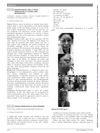
This study presents a case of neuropsychiatric lupus in a 50-year-old woman, highlighting the severe impact on quality of life and the necessity for aggressive treatment to improve outcomes.
 28 citations
,
December 2007 in “Archives of ophthalmology”
28 citations
,
December 2007 in “Archives of ophthalmology” This study found that lash ptosis was more common and severe in eyes with blepharoptosis, especially congenital, compared to normal eyes.
 February 2024 in “Australasian journal of dermatology”
 This research letter discusses the use of Janus kinase inhibitors for treating lichen planopilaris, although specific results or conclusions from the study are not provided.
 3 citations
,
August 2021 in “Uro”
3 citations
,
August 2021 in “Uro” This review concludes that global literature supports the lipidosterolic extract of Serenoa repens as efficacious and safe for treating lower urinary tract symptoms, with some studies showing equivalence to common pharmacologic agents.
January 2026 in “Dermatologic Therapy” In this prospective study, individuals with androgenetic alopecia using a home-use low-level laser therapy helmet for 48 weeks experienced significant increases in hair density and thickness, with reported improvements consistent across sexes and no device-related adverse events.
 April 2023 in “Journal of dermatological treatment”
 This study reports a case of complete hair regrowth in lichen planopilaris after 12 weeks of treatment with ixekizumab, suggesting its potential as a targeted therapy.
 February 2010 in “Journal of The American Academy of Dermatology”
 This study found that NB-002 demonstrated clear antifungal activity and clinically significant nail clearing in subjects with distal subungual onychomycosis and ≤50% nail involvement, compared to a vehicle treatment.