1 citations
,
March 2017 in “Semina Ciências Agrárias” This case report describes a Dogo Argentino dog with M. nanum infection, likely from hunting wild boar, that responded well to itraconazole and topical miconazole treatment.
2 citations
,
January 2012 in “ACTA SCIENTIAE VETERINARIAE” This case report describes the successful topical treatment of a horse with a Pythium insidiosum infection using amphotericin B and DMSO, leading to significant wound healing and hair regrowth.
3 citations
,
December 2020 in “Pharmaceutical Sciences and Research” This study found that using 70% ethanol as a solvent for extracting unsoaked Leucaena leucocephala seeds produces a high extract yield while managing mimosine levels, indicating potential for nutraceutical use.
 January 2005 in “Nihon Yasei Doubutsu Igakkaishi/Japanese journal of zoo and wildlife medicine”
 This study observed that Aloe vera gel applied topically to mange-affected camels led to the rapid disappearance of skin lesions and mites.
 44 citations
,
August 1996 in “Drugs & Aging”
44 citations
,
August 1996 in “Drugs & Aging” Mitoxantrone is effective for treating acute leukemia, especially in older patients, with a lower risk of heart damage.
This case report documents the first instance of Microsporum canis infection in a red fox, successfully treated with ketoconazole, highlighting asymptomatic cats as possible carriers of this pathogen.
 1 citations
,
February 2014 in “Archiv Der Pharmazie”
1 citations
,
February 2014 in “Archiv Der Pharmazie” This study demonstrated that steroidal carbamates 7–10 altered mRNA expression related to lipid metabolism in hamster flank organs and inhibited 5α-reductase activity without binding to the progesterone receptor.
 11 citations
,
January 2007 in “Veterinary dermatology”
11 citations
,
January 2007 in “Veterinary dermatology” This study found that administerating 10 mg/kg intramuscular fulvestrant did not stimulate hair regrowth in Pomeranian dogs with alopecia X, though higher doses may warrant further investigation.
January 2016 in “Elsevier eBooks” This article discusses dermatophycosis, a fungal infection affecting various animals, and outlines its transmission, diagnosis, treatment, and prevention methods, but reports no new research findings.
November 2014 in “Clinical Neurophysiology” High doses of progesterone can reduce seizures in mice.
2 citations
,
November 2024 in “Wildlife Society Bulletin” The researchers found that combining permethrin (44%) and fluralaner effectively reduced tick load in moose calves, as indicated by less severe hair loss, compared to untreated calves, while topical permethrin (5%) alone had no clear effect on tick load, body mass, or hematocrit.
 5 citations
,
June 2022 in “Frontiers in veterinary science”
5 citations
,
June 2022 in “Frontiers in veterinary science” This review discusses the impact of sarcoptic mange on wombats and evaluates antiparasitic drugs like ivermectin, moxidectin, and fluralaner for treating the disease, but it presents no new clinical results.
83 citations
,
January 1980 in “Veterinary Pathology” This study reports the discovery of endemic canine leishmaniasis in north central Oklahoma, suggesting the disease is present without dogs traveling abroad.
 5 citations
,
March 2012 in “Clinical and Experimental Dermatology”
5 citations
,
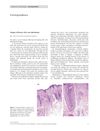
March 2012 in “Clinical and Experimental Dermatology” A woman experienced temporary hair loss after taking albendazole, which resolved on its own within 3 months.
2 citations
,
November 2004 in “Hospital pharmacy” This article reviews adverse drug reactions, emphasizes methods of prevention, and encourages reporting to the FDA's medWatch program, but presents no new study findings.
50 citations
,
November 1984 in “Journal of Heredity” This study found that supplementing zinc improved certain developmental defects in mice with the lethal-milk mutation, although it did not increase the survival rate among backcross progeny.
 February 2025 in “Buletin Veteriner Udayana”
 In this case report, the 14-day treatment with ivermectin, sulfur baths, antihistamines, and supplements resulted in significant recovery in a cat with scabies and sporotrichosis, except for persistent alopecia on the ear pinna. The authors recommend maintaining a clean environment to prevent reinfection.
 20 citations
,
September 2006 in “The Veterinary clinics of North America. Small animal practice/Veterinary clinics of North America. Small animal practice”
20 citations
,
September 2006 in “The Veterinary clinics of North America. Small animal practice/Veterinary clinics of North America. Small animal practice” This article reviews new drug therapies for endocrine disorders, discussing specific treatments such as trilostane for hyperadrenocorticism and various insulins for diabetes mellitus, but it reports no new clinical findings.
2 citations
,
January 2017 in “Ciência Rural” This case study documented a capuchin monkey with dermatophytosis caused by Microsporum canis, successfully treated with itraconazole, marking the first such report and treatment description for this species.
 12 citations
,
August 2018 in “Psychiatry research”
12 citations
,
August 2018 in “Psychiatry research” This study found that estazolam improved PTSD-like behavior deficits in an animal model, which was linked to increased allopregnanolone levels in specific brain regions.
 August 2001 in “Veterinary Dermatology”
 This article reviews topics from the American Academy of Veterinary Dermatology and American College of Veterinary Dermatology Annual Meeting and contains no new clinical findings.
14 citations
,
August 2013 in “Journal of Parasitology” This study reported that 39.7% of Amargosa voles had mite-associated lesions, which may severely impact their health and fitness.
 December 2013 in “Iranian Journal of Applied Animal Science”
 Adding bentonite clays to goat diets increased milk yield, periwinkle shell improved chicken egg production, and vaccination increased muscle area and carcass yield in calves.
 November 2022 in “Animal Bioscience”
 This study found that adding methionine to a low-protein diet improved wool production and feed efficiency in Angora rabbits by promoting hair follicle development through mechanisms involving IGF1, KAP, and versican signaling.
 May 2023 in “Pharma innovation”
 In this study conducted at LFC, Apollo College of Veterinary Medicine in Jaipur, and on local farms, 20 cattle calves with ringworm infection fully recovered after treatment with a combination of 2% povidone iodine and Whitefield ointment applied for 15 days.
19 citations
,
January 2011 in “Frontiers in Endocrinology” The study found that social isolation in mice increases the sensitivity of their hippocampal synapses to ethanol's inhibitory effects on long-term potentiation, an effect preventable by finasteride.
40 citations
,
October 2004 in “Veterinary Dermatology” In this study, trilostane treatment led to complete hair re-growth in 85% of Pomeranians and all miniature poodles with alopecia X within 4 to 8 weeks.
42 citations
,
September 2012 in “PLoS ONE” In this study, bezafibrate treatment improved certain aging-like features in a mouse model with mitochondrial dysfunction, but did not enhance muscle function or lifespan.
 January 2026 in “Preprints.org”
 In this study, a case of a Spitz dog with refractory dermatophytosis demonstrated marked clinical improvement and complete cure with Posaconazole, highlighting the potential of antifungal susceptibility testing to guide effective treatment in persistent infections unresponsive to standard therapies.
 3 citations
,
September 2022 in “Veterinary Dermatology”
3 citations
,
September 2022 in “Veterinary Dermatology” This study found that 18 mg melatonin implants did not significantly prevent recurrence of canine flank alopecia compared to placebo in dogs, though the treatment was well-tolerated, with no evidence of improved efficacy.