 April 2021 in “Journal of Investigative Dermatology”
 This study observed that the proportion of female authorship, including lead authors, in top dermatology journals increased from 2018 to 2020, despite potential COVID-19 impacts, while female senior authorship rates still reflect gender disparity in senior positions.
 471 citations
,
October 2012 in “Cellular and Molecular Life Sciences”
471 citations
,
October 2012 in “Cellular and Molecular Life Sciences” This review discusses the roles of key developmental signaling pathways in mammalian skin repair compared to skin development, and suggests these insights could lead to better wound healing therapies, but it reports no new findings.
 82 citations
,
August 2017 in “Cell Reports”
82 citations
,
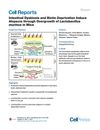
August 2017 in “Cell Reports” This study found that antibiotic-induced gut dysbiosis, particularly overgrowth of Lactobacillus murinus, can lead to hair loss in mice by depleting biotin.
 53 citations
,
January 2006 in “The Journal of clinical endocrinology and metabolism/Journal of clinical endocrinology & metabolism”
53 citations
,
January 2006 in “The Journal of clinical endocrinology and metabolism/Journal of clinical endocrinology & metabolism” In this study, reduced androgen receptor gene methylation and shorter CAG repeats in children with premature pubarche may lead to increased hair follicle sensitivity to steroid hormones, potentially causing early pubic hair development.
 39 citations
,
January 2008 in “Journal of Endocrinology”
39 citations
,
January 2008 in “Journal of Endocrinology” This study found that in androgenetic alopecia, reduced stem cell factor production by dermal papilla cells may lead to decreased pigmentation in hair follicles.
 22 citations
,
September 2015 in “Clinical lymphoma myeloma & leukemia/Clinical lymphoma, myeloma and leukemia”
22 citations
,
September 2015 in “Clinical lymphoma myeloma & leukemia/Clinical lymphoma, myeloma and leukemia” This review describes the various cutaneous manifestations of essential thrombocythemia and how treatments like hydroxycarbamide, interferon-alfa, and anagrelide may lead to skin complications, but does not report new clinical findings.
 19 citations
,
January 2016 in “Dermatology Research and Practice”
19 citations
,
January 2016 in “Dermatology Research and Practice” This study observed that telogen effluvium was the most common form of acquired alopecia among females in a semiurban Indian population, with stress and chemical exposure as major exacerbating factors.
 19 citations
,
August 2008 in “Journal of The European Academy of Dermatology and Venereology”
19 citations
,
August 2008 in “Journal of The European Academy of Dermatology and Venereology” In this study, researchers observed that in advanced androgenetic alopecia, increased DNA damage in the frontal bald area may lead to cell apoptosis due to impaired repair capacity.
 18 citations
,
April 2013 in “PLOS ONE”
18 citations
,
April 2013 in “PLOS ONE” This study found that in a mouse model, alopecia areata was associated with changes in heart structure, biochemistry, and gene expression linked to cardiac hypertrophy after ACTH exposure.
 15 citations
,
January 2008 in “Annales de Toxicologie Analytique”
15 citations
,
January 2008 in “Annales de Toxicologie Analytique” This study concluded that standard decontamination procedures do not fully remove external contamination from post mortem hair specimens, which complicates using hair analysis to assess long-term drug exposure.
 7 citations
,
October 2023 in “Indian Journal of Plastic Surgery”
7 citations
,
October 2023 in “Indian Journal of Plastic Surgery” This study discusses the potential of robots to improve facial aesthetic procedures through enhanced precision and consistency, while noting significant challenges such as high costs and malfunctions that could lead to injuries.
![Synthesis, Biological Evaluation, and Molecular Docking of 4-Amino-2H-benzo[h]chromen-2-one Analogs Containing the Piperazine Moiety](/images/assets/2ecf4eed-7dbe-4f1a-83db-739625546cdd/small/31808.jpg) 7 citations
,
August 2019 in “Bioorganic & medicinal chemistry”
7 citations
,
August 2019 in “Bioorganic & medicinal chemistry” This study identified novel 4-Amino-2H-benzo[h]chromen-2-one analogs as potent androgen receptor antagonists that show strong antiproliferative activity against prostate cancer cells, suggesting them as potential lead compounds for therapy development.
 7 citations
,
September 2006 in “Clinical lymphoma & myeloma”
7 citations
,
September 2006 in “Clinical lymphoma & myeloma” This review discusses various treatment challenges and toxicities in patients with relapsed follicular lymphoma and suggests that novel therapies could improve outcomes by reducing exposure to harmful chemotherapy cycles.
 6 citations
,
December 2010 in “Journal of Cosmetic Dermatology”
6 citations
,
December 2010 in “Journal of Cosmetic Dermatology” This study suggests that low proliferation rates in bald areas of androgenetic alopecia patients, along with persistent inflammatory infiltrate, may lead to follicular miniaturization and fibrosis.
 6 citations
,
March 1984 in “British journal of addiction”
6 citations
,
March 1984 in “British journal of addiction” This historical review discusses early 20th-century medical advocation against alcohol's impact on maternal and infant health in Britain, culminating in legislation to protect children from alcohol exposure in public venues and homes, but reports no new results.
 4 citations
,
March 2019 in “Journal of Pure and Applied Microbiology”
4 citations
,
March 2019 in “Journal of Pure and Applied Microbiology” This study investigated the anti-inflammatory effects of a 940nm diode laser in Wistar rats with carrageenan-induced arthritis and found that a 74J/cm² energy density significantly reduced edema and restored function, whereas 171J/cm² neared thermal exposure limits for the skin.
 4 citations
,
January 2016 in “Journal of cosmetology & trichology”
4 citations
,
January 2016 in “Journal of cosmetology & trichology” This study reports a case where hair loss over the temporal region was associated with prolonged mobile phone use, and suggests that a combination of minoxidil, nutritional therapy, and reduced phone exposure may aid regrowth.
 2 citations
,
August 2023 in “Journal of Endocrinological Investigation”
2 citations
,
August 2023 in “Journal of Endocrinological Investigation” In this study, researchers found that pregnant mice exposed to excessive androgen led to thinner ventricular walls and cardiac hypertrophy in offspring, suggesting that prenatal androgen exposure adversely affects cardiac health through reduced cardiomyocyte proliferation.
 2 citations
,
October 2000
2 citations
,
October 2000 This report discusses a request for a health hazard evaluation at Equifax in St. Petersburg, Florida concerning potential workplace exposures related to reported employee health issues, particularly hair loss, but provides no new results.
 April 2026 in “Frontiers in Cell and Developmental Biology”
 This study found that PGRP-S expression in mouse epidermis is specific to certain hair follicle epithelia, depending on the skin region, and can be transiently induced in flank skin hair follicle epithelium after exposure to Staphylococcus aureus, suggesting a role in environmental surveillance.

This chapter explores the potential of phytochemicals in modulating human endocrine function, emphasizing the growing interest in plant-derived alternatives to synthetic medications for managing metabolic and hormonal disorders often linked to chemical exposures and lifestyle factors.
 November 2025 in “Clinical Cosmetic and Investigational Dermatology”
 In this case study, a 46-year-old woman with tattoos and a history of hypothyroidism developed autoimmune-like symptoms, highlighting the importance of distinguishing ASIA syndrome from other immune disorders and assessing potential adjuvant exposure.
 July 2025 in “Dermatology and Therapy”
 This study found that patients with alopecia areata showing low treatment burden responded better to baricitinib compared to those with higher previous systemic treatment exposure.
 April 2025 in “Otorhinolaryngology Clinics - An International Journal”
 This case report highlights the critical role of preoperative histopathology in accurately diagnosing and treating ambiguous cutaneous lesions in the ear, nose, and throat area, emphasizing that reliance solely on clinical features can lead to misdiagnosis.
 January 2025 in “International Journal For Multidisciplinary Research”
 This article reviews stress and anxiety, noting that stress can be a normal response to life pressures but can also lead to health issues; it emphasizes that, in addition to modern management, mindfulness meditation may reduce stress and improve well-being.
 January 2025 in “Hospital Pharmacology - International Multidisciplinary Journal”
 In this study, researchers explored the effects of various medications on eye health, noting that systemic and local ophthalmic drugs can lead to both widespread and specific ocular side effects, with serious adverse events most associated with neurotropic, immunotropic, and antitumor medications.
 November 2024 in “International Journal of Research and Review”
 This review explores the application of nanotechnology in cosmetics, highlighting its role in enhancing skin penetration, sustaining drug action, and protecting against UV radiation, while also addressing regulatory considerations and potential exposure routes.
 February 2024 in “International neuropsychiatric disease journal”
 In this abstract, the authors provide an overview of the psychological impact of alopecia areata, highlighting how this autoimmune disorder can lead to reduced quality of life, increased anxiety and depression symptoms, and decreased work productivity due to hair loss and its social implications.
 November 2023 in “The Bovine practitioner”
 In this study, a 5-year-old Angus bull experienced systemic granulomatous disease and vasculitis potentially associated with grazing on hairy vetch, but other bulls in the same pasture showed no symptoms, suggesting variability in disease manifestation from similar exposures.
 September 2014 in “Springer eBooks”
 Aging causes hair to gray and thin, with the timing of graying varying by race, and factors like oxidative stress and genetics can lead to hair loss.