![Influence of FHIT on Benzo[a]pyrene-Induced Tumors and Alopecia in Mice: Chemoprevention by Budesonide and N-Acetylcysteine](/images/assets/f8f56777-f891-4879-8c45-c87d6aa82563/small/35499.jpg) 24 citations
,
May 2006 in “Proceedings of the National Academy of Sciences of the United States of America”
24 citations
,
May 2006 in “Proceedings of the National Academy of Sciences of the United States of America” This study reported that heterozygosity for FHIT affects mice's susceptibility to spontaneous alopecia areata and to certain preneoplastic lesions induced by benzo[a]pyrene, but does not change how they respond to budesonide and N-acetyl-L-cysteine.
 42 citations
,
October 2009 in “The journal of investigative dermatology/Journal of investigative dermatology”
42 citations
,
October 2009 in “The journal of investigative dermatology/Journal of investigative dermatology” In this study, researchers identified two distinct homozygous mutations in the KRT85 gene among consanguineous Pakistani families with pure hair and nail ectodermal dysplasia, highlighting variations in severity and potential impacts on the K85 protein function.
November 2025 in “Biomolecules” This study found that overexpressing FGF22 in dermal papilla cells enhanced hair follicle stem cell proliferation and viability, while its knockout reduced these attributes, indicating its role in hair follicle regeneration.
101 citations
,
August 2001 in “The Journal of Cell Biology” This study found that while most mice lacking MK6a and MK6b genes died from tongue epithelium disintegration, about 25% survived and showed no hair or nail defects due to a newly discovered MK6hf gene.
 3 citations
,
July 2011 in “Folia Histochemica et Cytobiologica”
3 citations
,
July 2011 in “Folia Histochemica et Cytobiologica” This study concluded that the inner root sheath inhibits the expression of certain differentiation markers in hair bulbs, with calcium-induced changes paralleling those seen in hair follicle mid-segments.
 May 2026 in “Frontiers in Immunology”
 This case report documents the first use of bimekizumab as monotherapy for dissecting cellulitis of the scalp, where a 27-year-old man experienced significant symptom relief without adverse effects after failing standard treatments.
 March 2023 in “JAAD case reports”
 This article reviews the genetic foundations of keratins in maintaining epithelial tissue integrity and links specific keratin variants to diverse ichthyosis forms, without presenting new clinical findings.
3 citations
,
May 2024 in “Indian Journal of Dermatology” In this case report, researchers identified a potential adverse skin reaction, called SDRIFE or Baboon syndrome, caused by the drug tofacitinib in a 19-year-old woman being treated for alopecia subtotalis, leading the authors to recommend discontinuation of the drug.
 February 2026 in “Zenodo (CERN European Organization for Nuclear Research)”
 In this study, researchers developed and evaluated a hair serum using Murraya koenigii and Clitoria ternatea extracts, finding that the F3 formulation had strong antifungal activity and was effective in dandruff management, suggesting potential benefits for scalp health.
 7 citations
,
February 1998 in “Polymer journal”
7 citations
,
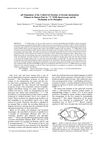
February 1998 in “Polymer journal” This study found that the stability of the coiled-coil structure in human hair keratin is maintained by ion-pairing and hydrophobic interactions, which are disrupted as pH approaches 7.0.
 72 citations
,
November 2012 in “PloS one”
72 citations
,
November 2012 in “PloS one” This study found that dysregulation of the folliculin-p0071 interaction may lead to changes in cell adhesion and signaling, contributing to conditions like emphysema and renal cell carcinoma.
18 citations
,
January 2013 in “Journal of Investigative Dermatology” WIF1 helps keep skin stem cells inactive to prevent excessive cell growth.
January 2025 in “The Egyptian Journal of Hospital Medicine” This study found that keloid patients exhibited significantly higher expression levels of NEDD4-TV3 and IGF-1 genes compared to controls, indicating a potential role of these genes in predicting and understanding keloid formation.
22 citations
,
September 2022 in “Journal of Animal Science” This study suggests that the PI3K-AKT signaling pathway may significantly influence the development of different hair types in Inner Mongolia cashmere goats.
54 citations
,
November 1994 in “Differentiation” This study found that trichohyalin is expressed in various normal and pathological epithelia beyond hair follicle cells, where it is uniquely associated with filaggrin, suggesting a specific role in aggregating K6/K16-containing intermediate filaments.
This study highlights the successful design of recombinant fortilin constructs for potential drug development targeting atherosclerotic plaque formation in cardiovascular disease.
January 2026 in “Therapeutics” This study found that SCUBE3 protein is upregulated in various cancers, promoting tumor growth and poor outcomes, while suppressing growth in renal cell carcinoma, and may serve as a diagnostic marker and potential therapeutic target for several diseases due to its secreted nature.
2 citations
,
July 2021 in “Genes” This study identified a new genetic variant in the KRT71 gene responsible for a breed-specific form of hypotrichosis in Hereford cattle, potentially serving as a model for similar human conditions.
38 citations
,
December 2006 in “Journal of Investigative Dermatology” Keratin patterns in hair follicles help understand hair growth and potential hair and nail disorders.
 60 citations
,
November 2013 in “Development”
60 citations
,
November 2013 in “Development” This study found that the creation of hair follicle lumens in mice is driven by the outward migration of keratin 79-positive cells, suggesting a novel mechanism for generating hollow cores in hair follicles.
 5 citations
,
February 2010 in “Drug development and industrial pharmacy”
5 citations
,
February 2010 in “Drug development and industrial pharmacy” This study found that vesicles formed with behenyltrimethylammonium chloride, stearic acid, and hinokitiol significantly improved skin permeation of hinokitiol in vitro, which may aid in hair growth promotion.
January 2006 in “Durham e-Theses (Durham University)” This study reports for the first time on the expression patterns of Id2 and Id3 proteins in developing hair follicles, suggesting a significant role for these proteins in hair follicle development and epithelial-mesenchymal interactions.
 4 citations
,
September 2010 in “Journal of Dermatological Science”
4 citations
,
September 2010 in “Journal of Dermatological Science” This article reviews keratosis follicularis squamosa, a keratinizing disorder predominantly found in the Japanese population, but reports no new clinical results.
3 citations
,
December 2021 in “Proteins” This study found that straight crimp mutant wool differs from crimpy wool in the layout of cortical cells and the relative proportions of keratin and keratin-associated proteins.
1 citations
,
July 2025 in “JCI Insight” This study found that Krox20 marks a diverse stem cell population in mouse hair follicles, which significantly contributes to the interfollicular epidermis and regulates epidermal homeostasis.
128 citations
,
January 2023 in “Frontiers in Endocrinology” This review discusses recurrent implantation failure (RIF) in IVF, noting the lack of standard definitions or treatment protocols, and emphasizes the need for individualized treatment and further research.
 54 citations
,
January 2013 in “Journal of Biological Macromolecules”
54 citations
,
January 2013 in “Journal of Biological Macromolecules” This study proposes a new method to selectively isolate keratin-associated proteins and keratin from human hair, suggesting that KAPs may support keratin fibers in hair structure.

In this study, researchers developed de novo designed hetero-bifunctional proteins as an alternative approach for targeted protein degradation, successfully targeting BCL-xL for degradation in cells and inducing apoptosis, which may expand the range of addressable E3 ligases and disease targets.
15 citations
,
June 2012 in “British Journal of Dermatology” This study identified a novel KRT86 mutation associated with autosomal dominant monilethrix, expanding understanding of its genetic basis beyond known motifs.