 March 2010 in “Ejc Supplements”
 This review discusses the paradoxical effects of valproic acid on hair, noting that it can both cause alopecia and stimulate hair growth, but reports no new experimental findings.
1 citations
,
May 2024 in “Pediatric Blood & Cancer” In this case study, a transition to the MEK inhibitor trametinib successfully stabilized disease and reduced toxicity in a patient with refractory kaposiform lymphangiomatosis after prolonged sirolimus and steroid treatment.
April 2017 in “The journal of investigative dermatology/Journal of investigative dermatology” This case report identified a 6-month-old girl with congenital generalized hypertrichosis and gingival hyperplasia, where a de novo CNV on chromosome 17q24.2-24.3 was associated with reduced expression of ABCA5 and SOX9.
 12 citations
,
March 2011 in “Journal of pathology”
12 citations
,
March 2011 in “Journal of pathology” In this study, activation of oncogenic K-ras in a mouse model caused the oral mucosa to rapidly progress from squamous hyperplasia to carcinoma within 14 days, demonstrating its acute sensitivity.
10 citations
,
July 2001 in “PubMed” This case report describes two patients with a likely new type of pachyonychia, characterized by nail thickening and severe generalized hypotrichosis, possibly linked to a mutation in a hard keratin.
14 citations
,
June 2012 in “Stem Cells” This study found that depletion of TACE in mouse hair follicles led to impaired stem cell maintenance and hair loss, implicating TACE and EGFR signaling in hair follicle stem cell homeostasis.
25 citations
,
August 2020 in “Experimental eye research/Experimental Eye Research” This review discusses cornea-specific keratin expression patterns in human and mouse development and reports no new experimental results; it highlights the need for investigating keratin mutations' role in pathology.
April 2017 in “Journal of Investigative Dermatology” This research explores the potential role of the Stx17 protein in hair pigmentation processes and Alopecia Areata, suggesting possible links to the disease's progression.
 September 2022 in “JAAD case reports”
 This case study of a 45-year-old man from Tonga describes the identification of pachyonychia congenita through genetic testing, revealing a mutation in the keratin gene KRT16, associated with chronic painful skin and nail conditions.
 47 citations
,
June 2011 in “Movement Disorders”
47 citations
,
June 2011 in “Movement Disorders” The LRRK2-G2019S mutation in Parkinson's disease has a lifetime penetrance of 25-35%, and finasteride may help reduce symptoms in adult male Tourette syndrome patients.
78 citations
,
November 2005 in “Endocrinology” This study found that Hairless (Hr) acts as a corepressor of the vitamin D receptor (VDR) in human keratinocytes, blocking the action of vitamin D on keratinocyte differentiation.
This study found that in mice, type XVII collagen is essential for controlling epidermal cell proliferation through Wnt signaling, with its deficiency or altered distribution leading to skin hyperproliferation and aging-like changes.
July 2025 in “Frontiers in Medicine” This study identified compound heterozygous mutations, c.1101del and c.736 T > A, in the LIPH gene responsible for causing autosomal recessive woolly hair in a child, with c.1101del being a novel frameshift mutation.
 25 citations
,
August 2014 in “Endocrinology”
25 citations
,
August 2014 in “Endocrinology” This study created a humanized mouse model of hereditary vitamin D-resistant rickets that lacks alopecia, indicating the mutant receptor's potential to explore the syndrome's characteristics beyond vitamin D binding.
166 citations
,
July 1999 in “American Journal Of Pathology” This study found that the loss of a functional hr gene in mice leads to premature and abnormal hair follicle regression, disrupting normal hair cycling and architecture.
April 2018 in “Journal of Investigative Dermatology” In this study, researchers found that the NUDT15 R139C gene variant is a significant genetic risk factor for azathioprine-induced severe myelotoxicity in Japanese patients with dermatological conditions, suggesting that screening for this variant may help prevent adverse reactions in East-Asian populations.
May 2025 in “Dermatology Reports” In this case study from King Fahad University Hospital, an 11-month-old Saudi boy with a history of short, non-growing hair was diagnosed with autosomal recessive woolly hair/hypotrichosis, attributed to a homozygous mutation in the LIPH gene.
18 citations
,
November 2005 in “Archives of Dermatological Research”  24 citations
,
January 2019 in “Theranostics”
24 citations
,
January 2019 in “Theranostics” This study found that loss of the Pten gene in Lgr5+ hair follicle stem cells promoted squamous cell carcinoma formation through the Akt/β-catenin signaling pathway.
November 2024 in “Biochemical and Biophysical Research Communications” In this study, researchers observed that mutant mice with a genetic hair loss condition exhibited significant differential expression of genes related to keratinization and hair follicle formation, providing insights into potential strategies for understanding and treating alopecia.
 133 citations
,
May 2016 in “Cell Host & Microbe”
133 citations
,
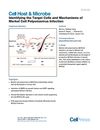
May 2016 in “Cell Host & Microbe” In this study, human dermal fibroblasts were identified as natural host cells that support productive Merkel cell polyomavirus infection, and the MEK antagonist trametinib was introduced as an effective inhibitor to control the virus.
77 citations
,
March 2000 in “Journal of Investigative Dermatology” The research identified six functional hair keratin genes and four pseudogenes, providing insights into hair formation and gene organization.
13 citations
,
February 2012 in “International Journal of Dermatology” This case report identifies a novel nonsense mutation in the CDH3 gene associated with hypotrichosis and juvenile macular dystrophy.
37 citations
,
November 2017 in “Medical Sciences” This study suggests that melanoma tumor cells exhibit intrinsic plasticity, challenging the applicability of the cancer stem cell model to this malignancy.
8 citations
,
September 2013 in “Molecular carcinogenesis” This study found that rapamycin effectively inhibits TPA-induced keratinocyte proliferation and skin tumor promotion by targeting mTORC1 signaling in both wild-type and transgenic mice.
101 citations
,
August 2001 in “The Journal of Cell Biology” This study found that while most mice lacking MK6a and MK6b genes died from tongue epithelium disintegration, about 25% survived and showed no hair or nail defects due to a newly discovered MK6hf gene.
19 citations
,
July 2020 in “EBioMedicine” In this study, the researchers identified a variant in the CCHCR1 gene associated with an alopecia areata subtype characterized by impaired keratinization and autoimmune events.
7 citations
,
August 2017 in “European journal of endocrinology” This study suggests that mutations in exon 10 of the POC1A gene may be linked to a distinct clinical condition characterized by extreme insulin resistance and short stature, differing from SOFT syndrome.
September 2023 in “Journal of the American Academy of Dermatology” In this study of pediatric melanocytic lesions, researchers at Massachusetts General Hospital observed no concurrent BAP1 loss and BRAFV600E positivity, characteristics of adult BIMT, suggesting that these tumors may develop at a later age rather than in childhood.
21 citations
,
August 2007 in “Experimental Dermatology” This study found that mice genetically modified to overexpress the serine protease inhibitor hurpin showed reduced UV-induced apoptosis but increased susceptibility to skin cancer after chemical carcinogenesis.